
5 Critical Strategies For Improving Cognitive Changes During Menopause

5 Critical Strategies For Improving Cognitive Changes During Menopause
Strategies for Brain Health
Menopause is a significant phase in a woman’s life, marked by various physical and emotional changes. Among these changes, the impact on brain function can be particularly challenging. Understanding the cognitive symptoms associated with menopause and adopting effective strategies can help manage these cognitive changes and maintain mental clarity.
Common Cognitive Symptoms During Menopause
Memory Lapses:
Many women report experiencing memory lapses or forgetfulness during menopause. These lapses can range from minor instances, such as forgetting where you placed your keys, to more significant memory difficulties.
Difficulty Concentrating:
Concentration and focus may become challenging for some women during menopause. Tasks that once seemed effortless may now require more effort to complete due to increased distractibility and a reduced attention span.
Brain Fog:
Menopause-related hormonal changes can contribute to a feeling of mental fog or confusion. This can manifest as difficulty processing information, feeling mentally sluggish, or experiencing delays in cognitive processing.
Strategies for Improving Cognitive Function
While cognitive changes during menopause can be frustrating, several strategies can support cognitive function and maintain mental clarity:
1. Healthy Lifestyle Habits:
Adopting a healthy lifestyle can significantly impact cognitive function. Regular exercise, a balanced diet rich in fruits, vegetables, and omega-3 fatty acids, adequate sleep, and stress management techniques such as mindfulness or meditation can all support brain health during menopause. Physical activity enhances cognitive function and may reduce the risk of dementia.
2. Mental Stimulation:
Engaging in mentally stimulating activities can help keep the brain sharp. Activities such as reading, puzzles, learning a new skill or language, and socializing with friends can all promote cognitive function and reduce the risk of cognitive decline. Cognitive training and lifelong learning are linked to better mental agility and memory retention.
I recently started playing Mahjong: it’s a tile-based game that requires concentration, pattern recognition, and memory.

3. Hormone Replacement Therapy (HRT):
For some women, hormone replacement therapy may be recommended to alleviate menopausal symptoms, including cognitive changes. However, HRT comes with potential risks and should be discussed with a healthcare provider to determine if it’s the right option. Research indicates that HRT can improve memory and concentration in some women but must be carefully considered.
4. Mindfulness and Relaxation Techniques:
Practices such as mindfulness meditation, deep breathing exercises, and progressive muscle relaxation can help reduce stress and improve cognitive function by promoting relaxation and mental clarity. Mindfulness practices have been shown to improve attention, emotional regulation, and overall mental well-being.
Here are some effective methods:
Meditation:
Mindfulness Meditation: Focus on the present moment, acknowledging thoughts and feelings without judgment.
Guided Meditation: Follow a guide or recording to direct your focus and relaxation.
Breathing Exercises:
Deep Breathing: Inhale deeply through the nose, hold for a few seconds, and exhale slowly through the mouth.
4-7-8 Technique: Inhale for 4 seconds, hold for 7 seconds, and exhale for 8 seconds.
Yoga:
Hatha Yoga: Gentle poses and stretches that promote relaxation and flexibility.
Restorative Yoga: Poses held for longer periods, using props for support, to deeply relax the body.

Progressive Muscle Relaxation:
Tense and then slowly release each muscle group in the body, starting from the toes and working up to the head.
Visualization and Guided Imagery:
Imagine a peaceful scene or situation to reduce stress and enhance relaxation.
Tai Chi and Qigong:
Slow, flowing movements combined with deep breathing to improve balance, reduce stress, and enhance mental clarity.
Journaling:
Writing down thoughts and feelings to process emotions and reduce stress.
Aromatherapy:
Using essential oils like lavender, chamomile, or eucalyptus in a diffuser or bath to promote relaxation.
Listening to Music:
Calming music or nature sounds to reduce anxiety and promote a sense of peace.
Spending Time in Nature:
Walking or sitting in natural settings to lower stress levels and improve mood.
Tomshco Acupressure Mat: This is my favorite relaxation technique. I lie on this mat every day, and it helps me to unwind.
Using a Tomshco mat, which typically has acupressure points, to lie on and stimulate pressure points, reducing muscle tension and promoting relaxation.

5. Memory Strategies:
Simple memory techniques, such as using calendars, to-do lists, and mnemonic devices, can help compensate for memory lapses and improve overall organization and productivity. Keeping a structured routine and setting reminders can also aid in managing daily tasks effectively.
The Benefits of Mushrooms for Cognitive Health
Mushrooms: Many mushrooms have been found to have neuroprotective properties that can support cognitive function. They are rich in antioxidants and bioactive compounds that can help reduce inflammation, improve memory, and protect against neurodegenerative diseases.
Lion’s Mane: Known for its potential to stimulate nerve growth factor (NGF) production, which is important for maintaining and regenerating brain cells.

Description: These capsules are made from 100% organic Lion’s Mane mushroom extract, ensuring high quality and potency. Real Mushrooms uses only the fruiting body of the mushroom, avoiding the use of mycelium grown on grain, which results in a more potent product.
Benefits: Supports cognitive function, improves memory, focus, and overall brain health. The capsules are third-party tested for beta-glucan content, which ensures their immune-boosting properties.
Reishi: Has been shown to help reduce stress and improve overall mental clarity.
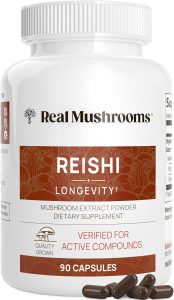
Description: These capsules offer 500 mg of pure Reishi extract in an 8:1 ratio, ensuring high potency. The product is certified organic and third-party tested to confirm the concentration of beneficial compounds like beta-glucans and triterpenes.
Benefits: Supports immune function, reduces stress, and promotes overall well-being.
Cordyceps-M: Can boost energy levels and enhance brain function, making it easier to stay focused and alert.

Description: Real Mushrooms is renowned for its high-quality mushroom supplements. Their Cordyceps-M capsules are made from 100% organic Cordyceps militaris, ensuring a potent and pure product. Each serving provides 1000 mg of cordyceps mushroom extract.
Benefits: Enhances energy levels, supports cognitive function, and boosts the immune system. The product is USDA certified organic, non-GMO, and free from fillers.
Conclusion
Cognitive changes during menopause are common and can be challenging. However, by adopting healthy lifestyle habits, engaging in mental stimulation, considering hormone replacement therapy under medical guidance, practicing mindfulness, and utilizing memory strategies, women can support their cognitive health and maintain mental clarity. It’s essential to consult with healthcare providers to tailor these strategies to individual needs and ensure a comprehensive approach to managing menopausal symptoms.
By implementing these strategies, women can navigate the cognitive changes associated with menopause more effectively, enhancing their quality of life and mental well-being.
You may also enjoy reading: Castor Oil: 5 Surprising Natural Benefits.
 Unlock Your Path to Vibrant Health: A Holistic Guide for Health and Longevity