
Seed Oils in Food: Complete Restaurant & Grocery Guide
We checked the ingredients so you don't have to. 40 popular products and restaurants, verified against official sources.
15
Restaurants
25
Grocery Products
33
Contain Seed Oils
7
Seed Oil Free
What to Look For: Fats That Belong in Your Kitchen
Before seed oils took over, Americans cooked with these traditional fats for generations. They're making a comeback for good reason.
The original frying fat. High smoke point, stable at high heat, rich in fat-soluble vitamins A, D, E, and K. McDonald's used tallow for fries until 1990.
Rich in conjugated linoleic acid (CLA), butyrate, and vitamins A and K2. Look for pastured or grass-fed sources like Kerrygold for the highest nutrient density.
Clarified butter with milk solids removed. Higher smoke point than regular butter, shelf-stable, and suitable for those sensitive to dairy proteins. A staple in traditional Indian cooking.
High in medium-chain triglycerides (MCTs) that the body uses for quick energy. Naturally antimicrobial. Choose virgin/unrefined for the most benefits.
Cold-pressed from whole olives, not chemically extracted from seeds. Rich in polyphenols and oleic acid. Best for low-to-medium heat cooking, dressings, and finishing.
Pressed from the fruit, not the seed. High smoke point makes it versatile for frying. Neutral flavor works in any recipe. Look for brands that test for purity.
Fast Food Restaurants
14 out of 15 chains use seed oils. Here's exactly which oils and where.
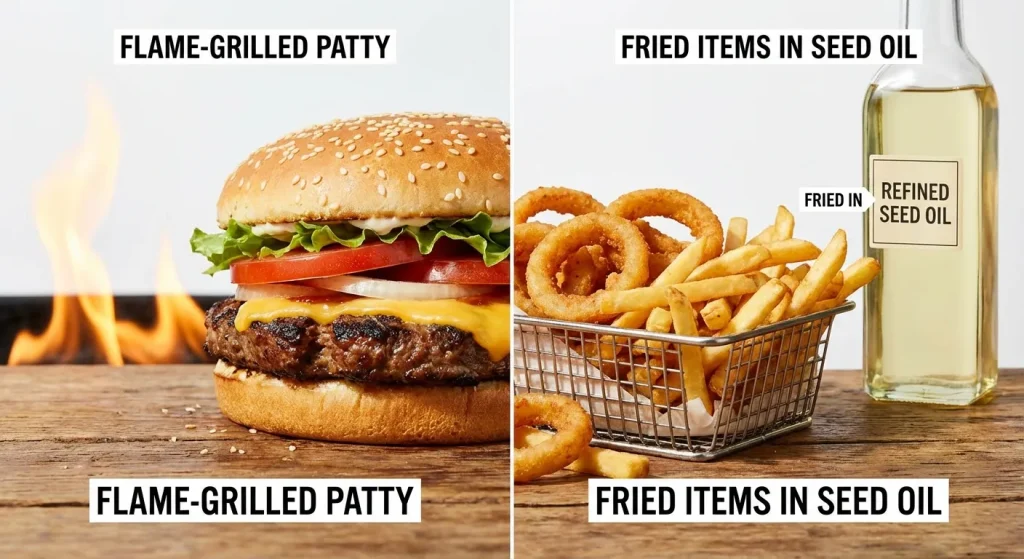
Does Burger King Use Seed Oils?
If you’re wondering “does burger king use seed oils,” here’s the short answer. Yes, Burger King uses seed oils. Burger…

Does Chick-fil-A Use Seed Oils?
If you’re wondering “does chick-fil-a use seed oils,” here’s the short answer. Yes, Chick-fil-A uses seed oils. Chick-fil-A uses peanut…
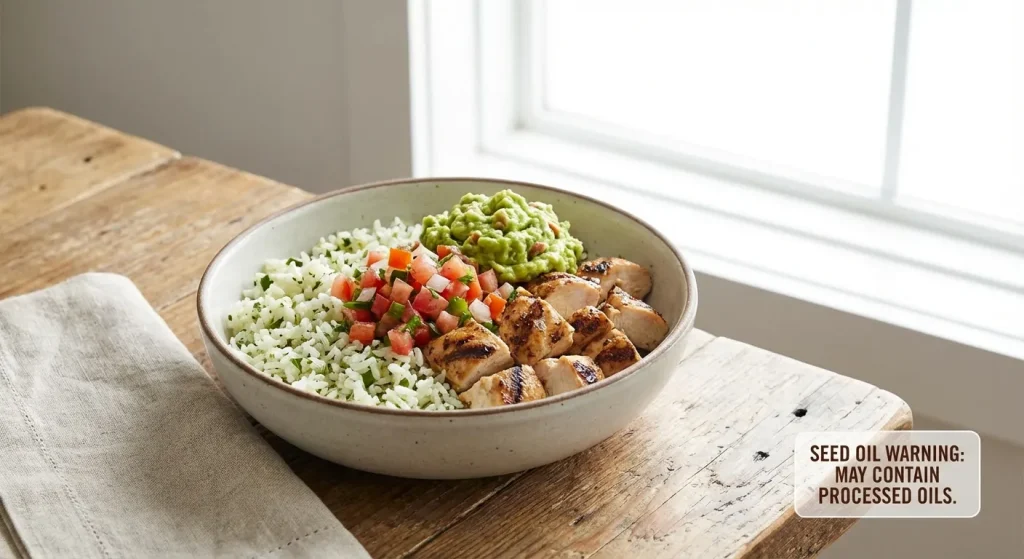
Does Chipotle Use Seed Oils?
If you’re wondering “does chipotle use seed oils,” here’s the short answer. Yes, Chipotle uses seed oils. Chipotle uses non-GMO,…

Does Five Guys Use Seed Oils?
If you’re wondering “does five guys use seed oils,” here’s the short answer. Yes, Five Guys uses seed oils. Five…

Does In-N-Out Use Seed Oils?
If you’re wondering “does in-n-out use seed oils,” here’s the short answer. Yes, In-N-Out Burger uses seed oils. In-N-Out uses…

Does KFC Use Seed Oils?
If you’re wondering “does kfc use seed oils,” here’s the short answer. Yes, KFC uses seed oils. KFC’s frying blend…
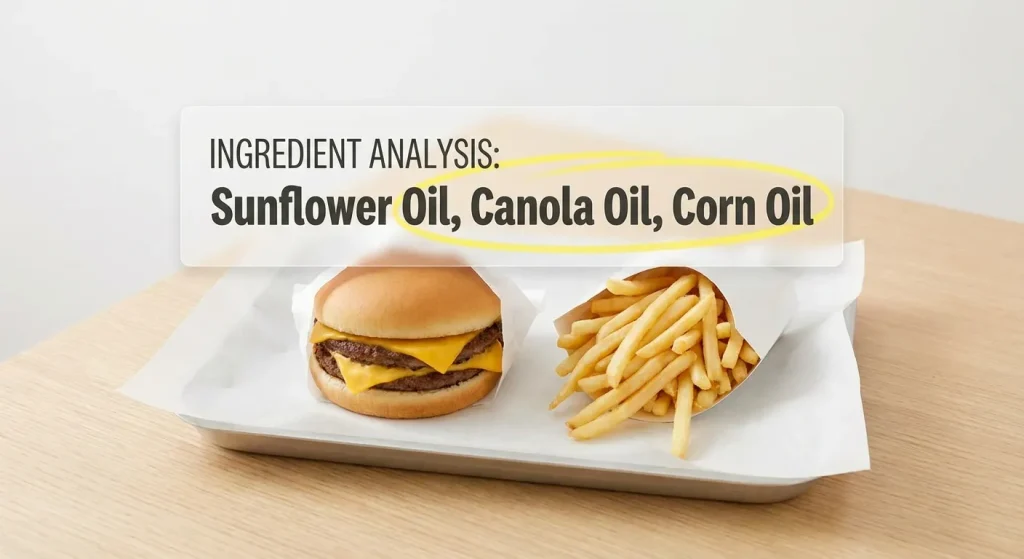
Does McDonald’s Use Seed Oils?
If you’re wondering “does mcdonalds use seed oils,” here’s the short answer. Yes, McDonald’s uses seed oils. McDonald’s uses a…
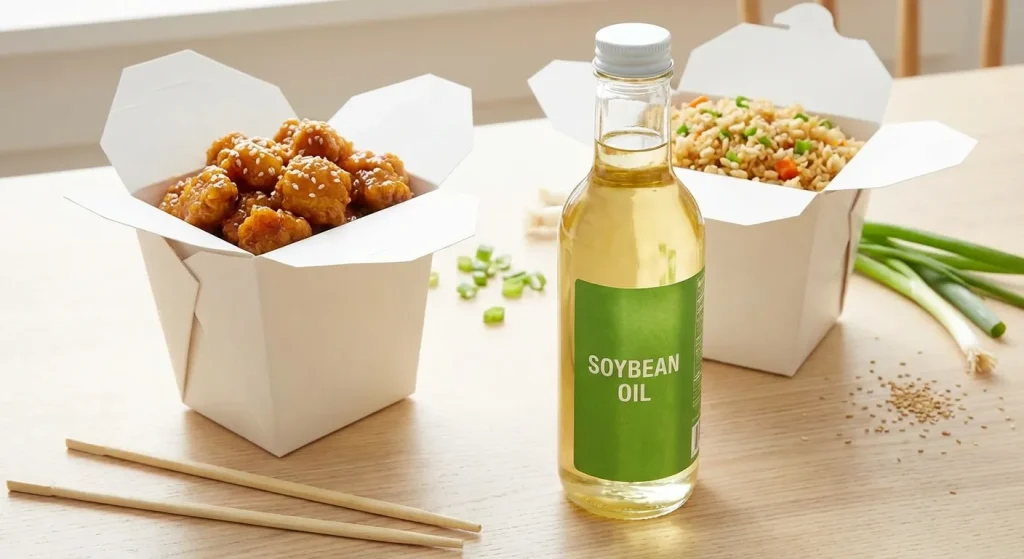
Does Panda Express Use Seed Oils?
If you’re wondering “does panda express use seed oils,” here’s the short answer. Yes, Panda Express uses seed oils. Panda…


Grocery Products
18 out of 25 common grocery products contain seed oils. Full ingredient lists inside.
Do Cheerios Contain Seed Oils?
If you’re wondering “do cheerios have seed oils,” here’s the short answer. No, Cheerios (Original) does not contain seed oils.…

Do Clif Bars Contain Seed Oils?
If you’re wondering “do clif bars have seed oils,” here’s the short answer. Yes, Clif Bar (Chocolate Chip) contains seed…

Do Doritos Contain Seed Oils?
If you’re wondering “do doritos have seed oils,” here’s the short answer. Yes, Doritos Nacho Cheese contains seed oils. Doritos…

Do Goldfish Crackers Contain Seed Oils?
If you’re wondering “do goldfish crackers have seed oils,” here’s the short answer. Yes, Goldfish Crackers (Cheddar) contains seed oils.…
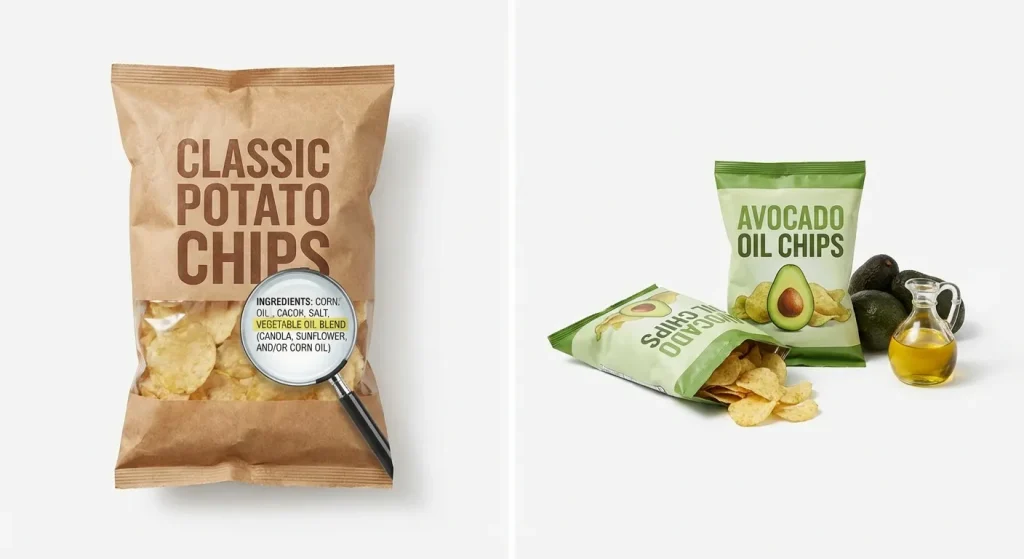
Do Lay’s Chips Contain Seed Oils?
If you’re wondering “do lays chips have seed oils,” here’s the short answer. Yes, Lay’s Classic Potato Chips contains seed…

Do Nature Valley Bars Contain Seed Oils?
If you’re wondering “do nature valley bars have seed oils,” here’s the short answer. Yes, Nature Valley Crunchy Granola Bars…
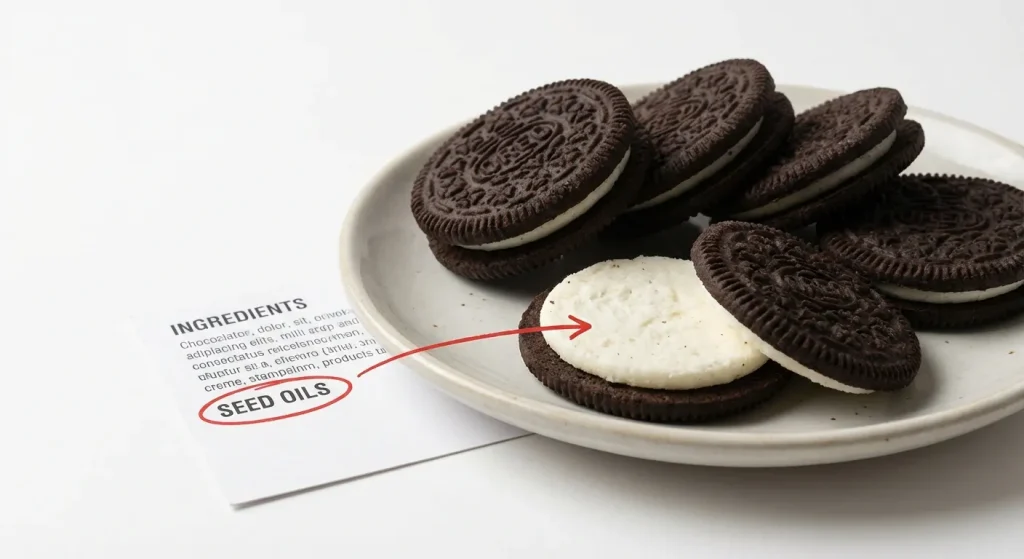
Do Oreos Contain Seed Oils?
If you’re wondering “do oreos have seed oils,” here’s the short answer. Yes, Oreo Cookies contains seed oils. Oreos contain…

Do Pop-Tarts Contain Seed Oils?
If you’re wondering “do pop-tarts have seed oils,” here’s the short answer. Yes, Pop-Tarts (Frosted Strawberry) contains seed oils. Pop-Tarts…

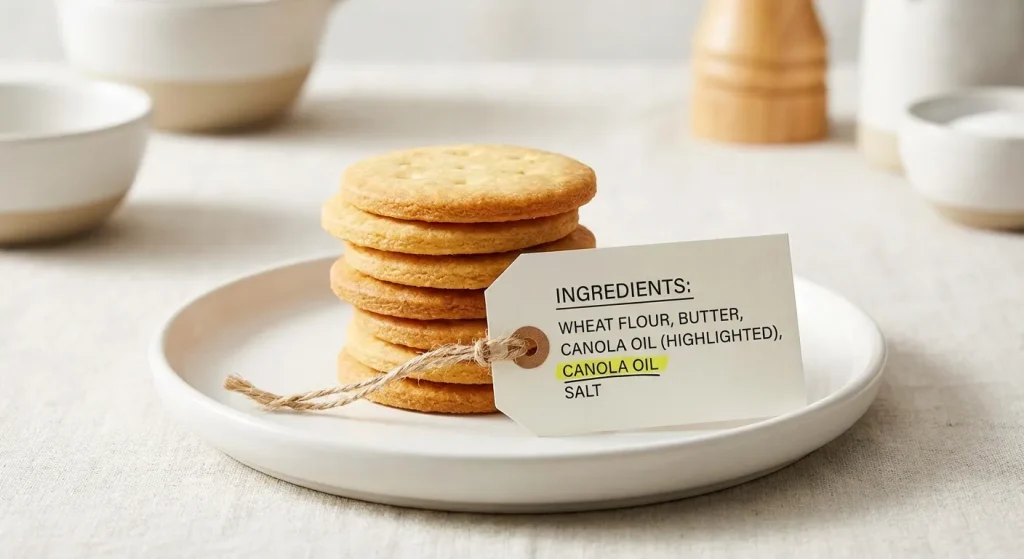
What Are Seed Oils?
Seed oils are industrially processed vegetable oils extracted from seeds using chemical solvents, high heat, and deodorization. The most common seed oils are soybean oil, canola oil, corn oil, sunflower oil, safflower oil, and cottonseed oil.
These oils replaced traditional cooking fats like butter, tallow, and olive oil in the American food supply starting in the mid-20th century, primarily because they are cheap to produce at scale.
Why Do People Avoid Seed Oils?
Growing research suggests seed oils may contribute to chronic inflammation due to their high omega-6 fatty acid content. The typical American diet already has far more omega-6 than omega-3, and seed oils worsen this imbalance.
People who cut seed oils often report improvements in skin health, digestion, joint pain, and energy levels. While more long-term studies are needed, many health-conscious consumers prefer olive oil, butter, coconut oil, avocado oil, or animal fats like beef tallow.
Watch Out for These Label Tricks
Seed oils are just the start. When reading ingredient labels, also watch for:
- "Natural flavors" -- a catch-all term that can hide hundreds of chemical compounds. If a product needs "natural flavors" to taste good, the real ingredients probably aren't doing much.
- "Vegetable oil" -- almost always means soybean oil. The word "vegetable" makes it sound healthy, but these oils come from seeds, not vegetables.
- TBHQ -- a synthetic preservative added to seed oils to extend shelf life. Found in Crisco, Pop-Tarts, Maruchan Ramen, and many fryer oils.
- "And/or" oil blends -- when a label says "canola and/or soybean oil," the manufacturer uses whichever seed oil is cheapest that week.
Need Help Navigating All This?
Avoiding seed oils across restaurants and grocery stores takes work. A health coach can help you build sustainable habits that fit your life.
All information was researched and verified as of February 2026 using official brand websites and nutrition databases. Ingredients change without notice. Always check current labels or ask restaurant staff. This content is for informational purposes only and does not constitute medical advice.
 Unlock Your Path to Vibrant Health: A Holistic Guide for Health and Longevity