
It’s Never Too Late To Start Taking Collagen

It’s Never Too Late To Start Taking Collagen
Collagen, the most abundant protein in our bodies, plays a crucial role in maintaining skin elasticity, joint health, and overall vitality. Contrary to popular belief, beginning collagen supplementation in midlife can yield significant benefits. This article aims to demystify collagen, highlighting its importance and how midlife women can integrate it into their lives for improved health and well-being.
Section 1: Understanding Collagen
What is Collagen? Types and Functions: Collagen is a fundamental protein that forms the building blocks of skin, bones, tendons, and ligaments. It’s responsible for maintaining the structure and integrity of our connective tissues. There are over 16 types of collagen, but types I, II, and III are the most common in the human body.
Type I supports skin, tendons, and bone health; Type II is crucial for cartilage; and Type III is abundant in skin, muscles, and blood vessels.
How Collagen Production Declines with Age: The body’s natural collagen production begins to slow down as early as in our 20s and 30s. This decline is accelerated by factors like UV exposure, smoking, and poor diet. As we move into our 40s and 50s, the signs become more noticeable. The skin loses its firmness, joint and bone health can begin to deteriorate, and overall resilience against injuries and wear and tear diminishes.
The Visible Effects of Collagen Loss in Midlife: For women in midlife, especially those undergoing menopausal transitions, the decrease in estrogen levels further impacts collagen production. This often leads to more pronounced wrinkles, sagging skin, and thinning hair. Additionally, reduced collagen in the joints can contribute to stiffness and discomfort, and in the bones, it can lead to increased brittleness, raising concerns about osteoporosis and fractures.
Collagen’s Role in Overall Health: Beyond its aesthetic functions, collagen is essential for overall health and wellbeing. It supports gut health, aids in the maintenance of a healthy weight by preserving muscle mass, and plays a role in heart health by maintaining the flexibility of arteries.
Impact of Lifestyle on Collagen: Lifestyle choices can significantly impact collagen levels. For instance, diets rich in sugar and refined carbs can damage collagen, while antioxidants and specific nutrients (like vitamin C and proline) can support its production. Regular exercise, particularly resistance training, can also stimulate collagen synthesis in the body.
Section 2: Benefits of Collagen for Midlife Women
Skin Health: Improving Elasticity and Reducing Wrinkles: Collagen is a key component in maintaining skin elasticity and hydration. As collagen levels decline with age, skin becomes more prone to sagging and wrinkles. Supplementing with collagen can help replenish these levels, aiding in maintaining a youthful appearance. Studies have shown that regular collagen supplementation can lead to significant improvements in skin elasticity, hydration, and overall appearance.
Bone and Joint Health: Collagen’s Role in Mobility and Strength: Collagen is vital for maintaining the integrity of cartilage, the rubber-like tissue that protects joints. As collagen depletes with age, the risk of developing degenerative joint disorders like osteoarthritis increases. Supplementing with collagen has been linked to reduced joint pain and symptoms of arthritis, enhancing overall mobility and quality of life.
Muscle Mass Maintenance and Metabolic Health: Collagen contains amino acids essential for building muscle. Muscle mass naturally declines with age, affecting strength and metabolism. Supplementing with collagen, especially when combined with strength training, can help in preserving lean muscle mass, which is crucial for maintaining a healthy metabolism and preventing weight gain common in midlife.
Hair and Nail Strength: Collagen provides the building blocks for hair and nails. With age, hair can lose its luster and nails may become more brittle. Collagen supplementation has been shown to promote hair and nail growth, increase their strength, and reduce the likelihood of brittleness and breakage.
Hormonal Balance and Menopause Support: During menopause, the decline in estrogen levels contributes to the reduction in collagen production. Supplementing with collagen can provide the necessary support to counteract some of these changes. It may also aid in maintaining hormonal balance, as it provides important amino acids that can be beneficial in synthesizing hormones.
Support for Heart Health: Collagen provides structure to blood vessels and arteries. A lack of collagen can lead to weaker vessels and potential cardiovascular problems. Collagen supplements may help in maintaining the elasticity and strength of the arteries, thereby supporting overall heart health.
Gastrointestinal Health: Collagen is also beneficial for gut health. It helps in maintaining the integrity of the gut lining, which can prevent issues like leaky gut syndrome, a condition more common as people age. A healthy gut is essential for overall well-being, immune function, and efficient digestion.
Section 3: Sources of Collagen
Natural Sources in Diet: A balanced diet can naturally boost your body’s collagen levels. Foods rich in collagen include bone broth, which is made by simmering bones and connective tissue of animals, and is a potent source. Fish, especially with the skin, provides marine collagen, which is easily absorbed. Other good sources include chicken, beef, and pork, especially cuts that contain connective tissue. Egg whites and dairy products also contribute to collagen intake, though to a lesser extent.
Vitamin C-Rich Foods for Collagen Synthesis: Vitamin C plays a critical role in collagen synthesis. Include fruits and vegetables like oranges, strawberries, bell peppers, broccoli and bok choy in your diet to naturally support collagen production.
Other Nutrient-Rich Foods That Support Collagen Production: Zinc and copper are essential for collagen production. Foods like nuts, seeds, whole grains, and legumes can provide these nutrients. Also, garlic contains sulfur, which is necessary for collagen synthesis. Magnesium acts as a crucial “co-factor” in the production of collagen, signifying its role as a chemical compound that attaches to a key protein, like collagen, and is essential for the protein’s biological activity. I like to consider co-factors as supporting molecules – they aid in vital biochemical reactions crucial for maintaining your skin’s health and your body’s overall functionality.
Collagen Supplements: Types and Forms: Collagen supplements come in various forms, including powders, capsules, and liquids. Hydrolyzed collagen or collagen peptides are the most common form, as they are broken down into smaller, easily absorbable particles. Some supplements are derived from animal sources (bovine, porcine, or marine), while others are chicken-based.
Vegan and Plant-Based Alternatives: Although direct sources of collagen are animal-based, there are ways to support collagen production on a plant-based diet. This includes consuming foods that promote collagen synthesis and using supplements that contain collagen-boosting nutrients like Vitamin C, proline, lysine, and antioxidants.
Understanding Collagen Enhancers and Inhibitors: Certain lifestyle factors can enhance or inhibit collagen production. Smoking, excessive sun exposure, and high sugar consumption can degrade collagen, whereas a diet rich in antioxidants and omega-3 fatty acids can protect and promote its production.
Section 4: How to Incorporate Collagen into Your Lifestyle
Integrating Collagen-Rich Foods into Daily Meals: Making simple dietary changes can significantly increase collagen intake. Incorporate bone broth into soups and stews, use fish with skin in your dishes, and add lean meats to salads and stir-fries. Gelatin, which is cooked collagen, can be used in desserts and smoothies.
Breakfast Ideas: Start your day with a protein shake and add collagen powder.
Lunch and Dinner Tips: Opt for salads with citrus dressings, or include chicken or fish as a protein source. Consider slow-cooked meals that use bone-in meats, which can help extract collagen during the cooking process.
Snack Suggestions: Choose snacks like blueberries or pumpkin seeds, they supply zinc that helps the body produce more collagen.
Section 5: Understanding and Choosing Collagen Supplements
When selecting a supplement, look for hydrolyzed collagen or collagen peptides for better absorption. Consider the source (bovine, marine, chicken, or porcine) based on your dietary preferences. Check for third-party testing and certification to ensure quality.
How to Use Collagen Powders:
Collagen powders can be mixed into hot or cold beverages, shakes, yogurts, and even baked goods. They are a versatile way to supplement your collagen intake without altering the taste of your foods.
Lifestyle Factors for Boosting Collagen: Regular exercise, especially strength training, can stimulate collagen production in the body.
Protect your skin from excessive sun exposure to prevent collagen breakdown, and stay hydrated to maintain collagen’s health in the skin.
Monitoring Progress: Keep track of any changes in your skin, joint health, or overall well-being after incorporating collagen into your lifestyle. This can help you assess the effectiveness and make adjustments as needed.
Section 5: Debunking Myths About Collagen
Myth 1: Collagen Supplements are Only for Skin: While collagen is known for its skin benefits, it’s also crucial for joint health, bone density, muscle maintenance, and overall body support.
Myth 2: It’s Too Late to Start After a Certain Age: Contrary to this belief, starting collagen supplementation in midlife can still yield significant benefits, particularly in combating signs of aging and supporting joint health.
Myth 3: All Collagen Supplements are the Same: Different types of collagen supplements target different needs. For instance, marine collagen is often preferred for skin health, while bovine collagen is sought for joint support. The source and processing method can also affect the quality and effectiveness of the supplement.
Recommended Collagen on Amazon: I alternate between using capsules and powder, as they are different forms of collagen supplement.

BioCell Collagen® Hydrolyzed Type II Collagen
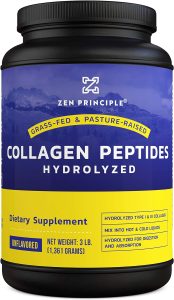
Grass-Fed Collagen Peptides Hydrolyzed Type I & III Protein Powder
In conclusion, whether you are just beginning to notice the signs of aging or are well into your midlife, it’s clear that it’s never too late to start incorporating collagen into your daily regimen. This powerful protein plays a pivotal role in not only enhancing your skin’s elasticity and appearance but also in supporting your overall health – from strengthening bones and joints to boosting gut health and maintaining muscle mass.
Through a combination of collagen-rich foods, supplements, and lifestyle changes, you can effectively support your body’s collagen production. Remember, the key is consistency and a holistic approach. By integrating collagen into your daily life, whether through diet, supplements, or both, you can help maintain your vitality and well-being throughout midlife and beyond.
As we’ve explored, the world of collagen is vast and varied, offering options for everyone, regardless of dietary preferences or lifestyles. We hope you feel empowered to make informed choices that suit your unique needs.
Remember, the journey to improved health and well-being is personal and ever-evolving. Listening to your body, consulting with healthcare professionals, and staying informed will guide you in making the best choices for your health. Your midlife years can be a time of renewal and vitality, and incorporating collagen is a simple yet effective step towards maintaining your youthfulness and health.
You may also enjoy reading: Can You Heal Your Gut With Just Probiotics?
 Unlock Your Path to Vibrant Health: A Holistic Guide for Health and Longevity