
Alarming Dangers of Seed Oils
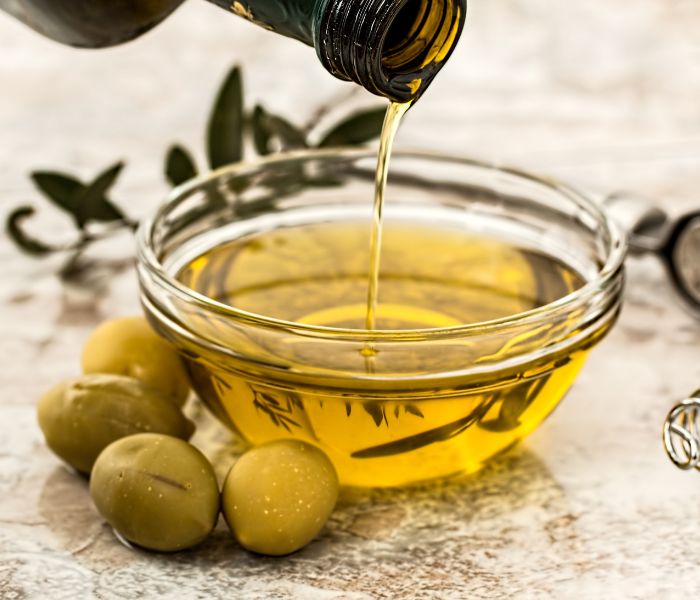
Alarming Dangers of Seed Oils: What You Need to Know
In the vast landscape of nutritional advice, seed oils have long been heralded as a heart-healthy alternative to saturated fats. However, recent research paints a different picture, especially concerning women’s health.
According to Dr. Paul Saladino, “The most significant culprit is undoubtedly seed oils, including those extracted from plant seeds such as canola, sunflower, corn, soy, and cotton, among others”.
Seed oils often referred to as polyunsaturated fats or linoleic acid, these do not serve as an appropriate fat source for humans, yet our consumption levels are alarmingly high. This intake isn’t just through processed foods and seed oils, but also from sources perceived as “healthy,” like nuts and seeds, as well as chicken and pork. These animals store linoleic acid in their fat, which is then transferred to us. Excessive linoleic acid builds up in the body, potentially leading to the malfunction of fat cells. This process causes the cells to swell and release fat, leading to a cascade of adverse effects, including insulin resistance in muscles, increased inflammation, and DNA damage.
What Oils are Seed Oils?
Seed oils are extracted from the seeds of plants, often through a chemical process involving high heat and solvents. Common seed oils include soybean, canola (rapeseed), corn, sunflower, safflower, and cottonseed oils. These oils are prevalent in processed foods and are often marketed as healthy due to their low saturated fat content. However, their high omega-6 fatty acid composition raises concerns about their impact on health, especially for women.
The 6 Seed Oils to Avoid
For those looking to optimize their health and minimize potential risks associated with seed oils, here are six oils best avoided or limited in the diet:
- Soybean Oil
- Canola Oil
- Corn Oil
- Sunflower Oil
- Safflower Oil
- Cottonseed Oil
These oils are often highly processed and can contribute to an unhealthy omega-6 to omega-3 fatty acid ratio, promoting inflammation and potentially leading to the health issues.
What Oils are Not Seed Oils?
In contrast to seed oils, there are many oils not derived from seeds that offer health benefits. These include:
- Olive Oil: Extracted from the fruit of the olive tree and celebrated for its heart-healthy monounsaturated fats. Opt for olive oil that originates from a single country for quality assurance.
- Coconut Oil: Derived from the meat of coconuts, containing medium-chain triglycerides (MCTs) known for their energy-boosting properties.
- Avocado Oil: Made from the pulp of avocados, rich in monounsaturated fats and vitamin E.
These oils are less processed and have a more favorable impact on health, making them better choices for inclusion in a healthy diet.
The Healthiest Oil
Olive oil is often hailed as the healthiest oil, thanks to its high content of monounsaturated fats and antioxidants. It’s associated with numerous health benefits, including reduced risk of heart disease, anti-inflammatory properties, and protective effects against certain types of cancer. Extra virgin olive oil, in particular, is least processed and retains the highest amount of natural vitamins and antioxidants.
The Healthiest Oil to Cook With
When it comes to cooking, the healthiest oil depends on the type of cooking you’re doing. For high-heat cooking, avocado oil is an excellent choice due to its high smoke point, ensuring it remains stable and doesn’t break down into harmful compounds. For medium to low-heat cooking or dressing, extra virgin olive oil is ideal, providing flavor and health benefits.
Health Issues From Seed Oils:
1. Inflammation and Chronic Diseases
The crux of the issue with seed oils lies in their high omega-6 fatty acid content. While omega-6s are essential in moderation, the modern diet provides them in such excessive quantities that it disrupts the critical balance between omega-6 and omega-3 fatty acids. This imbalance is a key driver of systemic inflammation, laying the groundwork for chronic diseases like heart disease, which remains the leading cause of death among women worldwide. Furthermore, the inflammatory response linked to these oils can exacerbate autoimmune conditions, which statistically affect women at a higher rate than men.
2. Hormonal Imbalance
The hormonal balance in menopausal women is delicate and can be significantly impacted by diet, including the intake of seed oils. These oils may disrupt the equilibrium of estrogen and other hormones, which is particularly concerning during menopause—a time when hormonal stability is crucial. While conditions like PCOS and symptoms of endometriosis and PMS are less relevant, the fluctuation of hormones during menopause can be exacerbated by these dietary factors. Moreover, the presence of endocrine-disrupting chemicals in processed seed oils poses additional risks, as they can mimic natural hormones in the body, further disturbing the already sensitive hormonal balance in menopausal women.
3. Impact on Skin Health
The skin is often a mirror of one’s dietary habits, and the consumption of seed oils can reflect negatively on this canvas. The omega-6 fatty acids in these oils can contribute to the development and severity of inflammatory skin conditions like acne and eczema. Moreover, the oxidative stress caused by these oils can damage skin cells, leading to premature aging by breaking down collagen and elastin—proteins essential for skin strength and elasticity. This effect is particularly concerning for women, who often report skin health as a significant aspect of their overall wellbeing.
4. Weight Gain and Metabolic Issues
Despite their “low in saturated fat” label, seed oils can contribute to unwanted weight gain and metabolic syndrome—a constellation of conditions including increased blood pressure, high blood sugar, excess body fat around the waist, and abnormal cholesterol levels. These conditions heighten the risk of developing more serious health issues such as type 2 diabetes and cardiovascular disease. The metabolic disturbances caused by seed oils, particularly in how they can affect insulin resistance, are a significant concern for women’s health, given the gender-specific challenges women face with weight management and metabolic health as they age.
5. Seeking Healthier Alternatives
Understanding the potential downsides of seed oils leads to the natural question: what are healthier alternatives? Fortunately, the answer lies in a variety of fats that support rather than compromise health. Olive oil, rich in monounsaturated fats and antioxidants, stands out for its anti-inflammatory properties. Coconut oil, though high in saturated fat, contains medium-chain triglycerides (MCTs) known for their metabolic benefits. Avocado oil offers a high smoke point and a nutrient-rich profile, making it an excellent choice for cooking and dressings. Additionally, incorporating whole food sources of fats, such as nuts, seeds, avocados, and fatty fish, can provide a balanced array of essential fatty acids, supporting overall health and well-being.
As we navigate the complex world of nutrition and health, it’s increasingly clear that the types of fats we consume matter profoundly, especially for women. By opting for natural, minimally processed fats and oils, we can support our body’s needs, promote hormonal balance, and protect against chronic disease. Embracing a diet rich in whole foods and healthy fats is not just a step towards better health—it’s a stride towards a vibrant, thriving life.
 Unlock Your Path to Vibrant Health: A Holistic Guide for Health and Longevity