
Animal-Based vs. Plant-Based: Which Diet Wins?
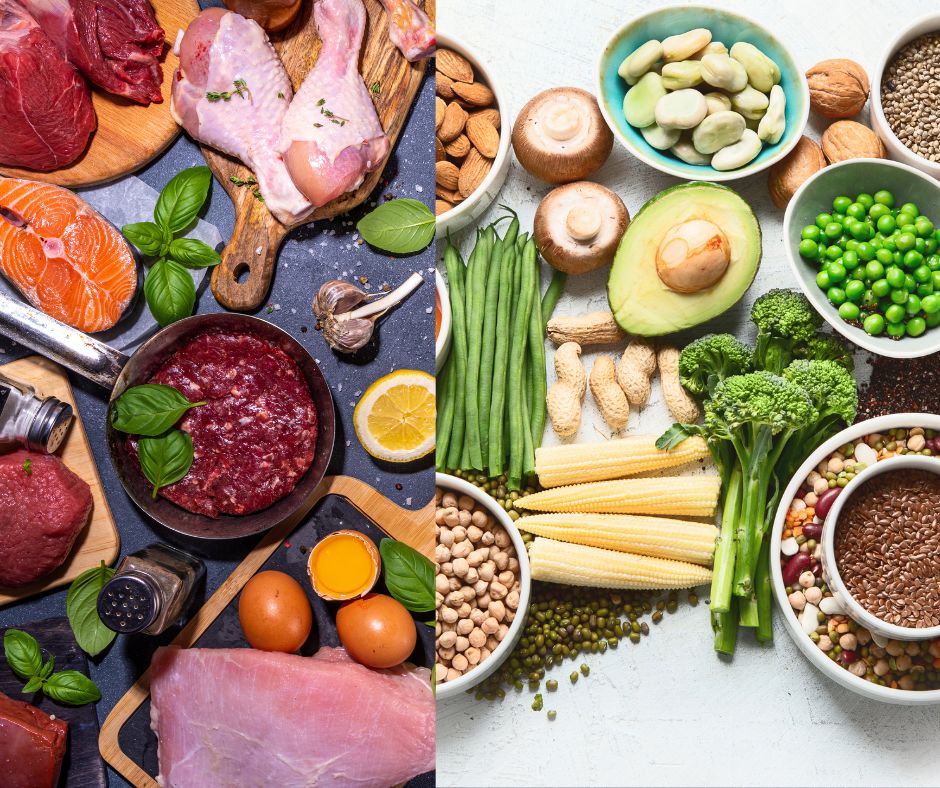
Animal-Based vs. Plant-Based: Which Diet Wins?
Both animal-based and plant-based diets can be healthy when done right. The best choice depends on your health goals, preferences, budget, and values. Many people thrive on a mixed approach—mostly plants with some animal foods.
Understanding Animal-Based vs. Plant-Based Diets
Animal-Based Diets focus on foods from animals: meat, poultry, fish, eggs, and dairy. These foods are rich in easily absorbed protein and nutrients like vitamin B12, iron, and omega-3 fatty acids.
Plant-Based Diets emphasize foods from plants: vegetables, fruits, soy, beans, whole grains, nuts, seeds, and plant oils. This can range from flexitarian (mostly plants, some animal foods) to fully vegan.
Key Point: Major nutrition organizations confirm that well-planned vegetarian and vegan diets can meet all nutrient needs throughout life and may offer health benefits. The word “well-planned” is crucial.
Nutritional Comparison Animal-Based vs. Plant-Based
Protein: Quality and Quantity
Animal Proteins
Provide all essential amino acids in easily digestible forms
Generally score higher on protein quality measures
Plant Proteins
Usually adequate but may be lower in certain amino acids
Combining different sources (like beans + rice) creates complete proteins
Some plant proteins like soy score as well as animal proteins
Practical Tip: Aim for 20-35 grams of protein per meal. Plant-based sources include tofu, tempeh, lentils, beans, and fortified plant milks.
Critical Nutrients to Watch
Vitamin B12
Abundant in animal foods
Vegans and many vegetarians need fortified foods or supplements
Iron
Animal foods provide heme iron (easily absorbed)
Plant foods provide non-heme iron (better absorbed with vitamin C)
Avoid coffee/tea with iron-rich meals
Omega-3 Fatty Acids
Plants provide ALA (found in flax, chia, walnuts)
Fish provides EPA and DHA directly
Vegans should consider algae-based supplements for EPA/DHA
Choline
Critical for brain function, nerve signaling, and metabolism
Abundant in eggs (especially yolks), meat, fish, and dairy
Plant sources exist but are much lower in content
Many people, including vegans, may not get adequate amounts
Creatine
Important for energy production in muscles and brain
Found almost exclusively in animal products
Body can make some creatine, but dietary intake provides additional benefits
Vegans typically have lower creatine stores and may benefit from supplementation
Vitamin D
Few foods naturally contain vitamin D regardless of diet
Best food sources: fatty fish (salmon, mackerel), egg yolks (especially pastured), UV-exposed mushrooms
Most vitamin D comes from sun exposure, not food
Both plant-based and omnivorous dieters often need supplementation, especially in winter or with limited sun exposure
Fiber and Plant Compounds
Plant-based diets naturally provide more fiber, potassium, magnesium, and beneficial plant compounds
While many people benefit from fiber for gut and metabolic health, some individuals thrive on very low-fiber diets
The necessity of fiber varies by individual
Health Outcomes: What Research Shows
Both dietary patterns can be healthy when they emphasize whole foods and limiting ultra-processed items, added sugars. The U.S. Dietary Guidelines endorse several healthy patterns, including omnivorous, Mediterranean, and vegetarian approaches.
Special Consideration: Oxalates and Kidney Stones
What Are Oxalates?
Oxalates are natural compounds found mainly in plants. However, if you’ve had calcium oxalate kidney stones, managing oxalate intake can help reduce future risk.
High-Oxalate Foods Include:
Spinach (very high)
Beets and Swiss chard
Almonds and other nuts
Chocolate
Sweet potatoes
Some soy foods
Managing Oxalates (If Needed):
Pair with Calcium: Eat oxalate-rich foods with calcium sources (yogurt, milk, fortified plant milk)
Cook Smart: Boiling and discarding water can reduce oxalates by 30-87%
Rotate Greens: Swap spinach or kale for arugula, romaine, or bok choy
Stay Hydrated: Aim for 2.5+ liters of urine output daily
Limit High-Dose Vitamin C: Supplements over 1,000mg may increase stone risk
Read more about oxalates here: Are Oxalates Bad for You? Unveiling the Hidden Dangers in Your Diet
Environmental Impact
Plant-heavy diets generally have a lower environmental footprint in terms of land use, water consumption, and greenhouse gas emissions. However, farming practices vary widely, and even the most sustainable animal products typically have a higher environmental impact than most plant foods.
Who Might Prefer Each Approach?
Animal-Leaning Diets May Suit You If:
You want nutritional simplicity: No need to combine foods for complete proteins, plan supplement schedules, or worry about bioavailability – animal foods provide nutrients in their most readily absorbed formsYou prioritize protein efficiency: Easily hit 0.8-1g per pound targets with smaller food volumes and without constant meal planning
You value nutrient density: Get B12, heme iron, zinc, choline, creatine, and vitamin D from natural food sources rather than fortified foods or supplements
You experience digestive issues with plants: Some people feel better without high-fiber foods, anti-nutrients, or plant compounds that can cause gut irritation
You prefer stable blood sugar: Protein and fat don’t spike glucose like carbohydrates, which may improve energy stability and reduce cravings
You want straightforward eating: Simple approach – if it comes from an animal, it likely provides complete nutrition without extensive research or planning
You have absorption issues: Conditions like SIBO, IBS, or autoimmune disorders may make plant nutrients harder to absorb or tolerate
Plant-Leaning Diets May Suit You If:
You prioritize environmental sustainability and animal welfare
You enjoy cooking with diverse plant ingredients and flavors
You’re comfortable with supplement protocols and careful meal planning
You respond well to higher fiber intake
Budget is a primary concern (plant proteins are often less expensive)
Sample Daily Menus
Balanced Plant-Based Day
Breakfast: Tofu scramble with vegetables, avocado, whole-grain toast, orange
Lunch: Lentil-quinoa bowl with roasted vegetables and tahini sauce
Snack: Soy yogurt with walnuts and chia seeds
Dinner: Tempeh stir-fry with edamame over brown rice
Supplements: B12-fortified plant milk, consider algae-based omega-3s
Balanced Mediterranean-Style Day
Breakfast: Organic pasture raised eggs with Greek yogurt and berries
Lunch: Salmon salad with olive oil dressing and whole-grain pita
Snack: Cottage cheese with pineapple
Dinner: Grass fed steak with grilled asparagus
Common Mistakes and How to Avoid Them
Plant-Based Pitfalls:
Problem: Not eating enough protein (aim for 0.8-1g per pound of body weight) or total calories
Solution: Include substantial protein sources at each meal; track intake initially to ensure you’re hitting targets
Problem: Missing B12, iron, omega-3s, choline, creatine, or vitamin D
Solution: Use fortified foods/supplements; pair iron with vitamin C; consider choline, creatine, and vitamin D supplements
Problem: Over-relying on processed meat alternatives
Solution: Focus on whole plant foods as your foundation
Animal-Heavy Pitfalls:
Problem: Potential for higher food costs compared to plant proteins
Solution: Consider incorporating some less expensive cuts, organ meats, eggs, and fish to balance costs
Frequently Asked Questions
How much protein do I actually need?
Current research suggests 0.8-1.0g per pound of body weight for most people (higher if you’re very active, older, or trying to build muscle). This is significantly higher than the outdated RDA of 0.36g/lb, which is just the minimum to prevent deficiency.
Do vegans need B12 supplements?
Very likely yes. Use fortified foods and/or supplements to meet needs.
Can I get enough iron without meat?
Yes, through legumes, tofu, leafy greens, and fortified grains. Pair with vitamin C and monitor blood levels if you’re at risk for deficiency.
What about omega-3s without fish?
Use ALA sources daily (flax, chia, walnuts) and consider algae-based EPA/DHA supplements.
What about vitamin D?
Very few foods contain meaningful vitamin D regardless of diet type. The best sources are fatty fish and egg yolks, giving animal-based diets a slight advantage. However, most people (plant-based or omnivorous) need sun exposure or supplements to maintain adequate levels, especially in winter.
What about choline and creatine on plant-based diets?
Choline is found mainly in eggs and meat, and many vegans don’t get optimal amounts. Consider choline supplements or focus on the few plant sources like soybeans and quinoa. Creatine is almost exclusively found in animal products—vegans often benefit from creatine supplementation for both physical and cognitive performance.
Should I avoid spinach if I’m worried about oxalates?
Yes, if you’re prone to kidney stones or oxalate sensitivity. Spinach is one of the highest oxalate foods (½ cup cooked spinach contains ~755mg – enough to exceed daily targets for stone-formers). Many healthcare providers recommend avoiding spinach entirely for people with oxalate issues. Oxalates may also contribute to joint pain, inflammation, and other symptoms beyond kidney stones in sensitive individuals.
Final Thoughts
Healthy eating isn’t about choosing sides in a “plants vs. animals” battle. It’s about creating sustainable patterns that include mostly whole foods, adequate protein, smart supplementation when needed, and thoughtful choices if you have specific health concerns.
Choose the approach that aligns with your values and lifestyle—then make sure it’s nutritionally complete. Both paths can lead to excellent health when done thoughtfully.
Author’s Perspective: Why I Choose Animal-Based
After researching both approaches extensively, I personally prefer the animal-based diet because I get all the nutrients I need naturally without supplementation. Here’s why this approach makes sense to me:
Nutritional Completeness: Animal foods provide every essential nutrient in bioavailable forms. I don’t need to worry about combining foods for complete proteins, timing supplements, or wondering if I’m absorbing enough B12, iron, or omega-3s from plant sources.
Simplicity: There’s something elegant about eating foods that naturally contain everything my body needs. No supplement schedules, no fortified foods, no calculations – just eat quality animal products and I’m covered nutritionally.
Evolutionary Consistency: Humans evolved eating animals for millions of years. Our digestive systems, teeth, and nutritional requirements suggest we’re well-adapted to animal foods. Many of our most crucial nutrients (B12, creatine, choline, heme iron) are abundant in animals but scarce or absent in plants.
Satiety and Stable Energy: Animal proteins and fats keep me full longer and provide steady energy without the blood sugar swings I experienced with higher-carb plant foods. This makes maintaining a healthy weight effortless.
Time and Mental Energy: I spend less time researching nutrition, planning meals, and worrying about deficiencies. This mental bandwidth can go toward other important areas of life.
Real-World Results: I feel stronger, more energetic, and healthier on an animal-based diet. While studies can debate mechanisms, personal experience ultimately matters most.
In a recent study, Eating meat may protect against cancer, landmark research shows.
That said, I respect that others may thrive on different approaches. The key is finding what works for your body, lifestyle, and values – then executing it consistently.
 Unlock Your Path to Vibrant Health: A Holistic Guide for Health and Longevity