
Are Oxalates Bad for You? Unveiling the Hidden Dangers in Your Diet
Are Oxalates Bad for You? Unveiling the Hidden Dangers in Your Diet
I recently delved into the world of oxalates, gaining a deeper understanding of what they are and their impact on health. As someone in the healthcare field, my awareness of oxalates was primarily limited to their connection with calcium oxalate in individuals suffering from kidney stones. I had assumed that only those with kidney stones needed to follow a low-oxalate diet.
But are oxalates bad for you even if you don’t have kidney stones?
What is Oxalate?
Oxalate is a small, naturally occurring molecule known for its acidic (oxalic acid) and potentially harmful properties. When combined with minerals in your body, it transforms into a chemical salt, such as sodium oxalate, potassium oxalate, magnesium oxalate, or calcium oxalate. This compound has a tendency to crystallize, and it’s a common component in most kidney stones, particularly in the form of calcium oxalate. So, are oxalates bad for you? The answer may lie in their potential to form these harmful crystals in the body.
Plants produce oxalic acid primarily as a defense mechanism and for several other functions.
It’s Defense Against Herbivores: Oxalic acid can make plants less palatable or even toxic to herbivores and insects. Its bitter taste and potential toxicity can deter animals from eating the plant.
It’s a common dietary component, found in a wide array of foods in different forms, including both dissolved and as crystals of varying shapes and sizes. The amount of oxalic acid present can vary significantly across different foods.
You Eat Oxalate
While this list doesn’t encompass all fruits and vegetables, it highlights the most common and widely consumed. Considering the prevalence of oxalates in food, it’s essential to ask: are oxalates bad for you?
What Foods Are High In Oxalates?
Foods High In Oxalates
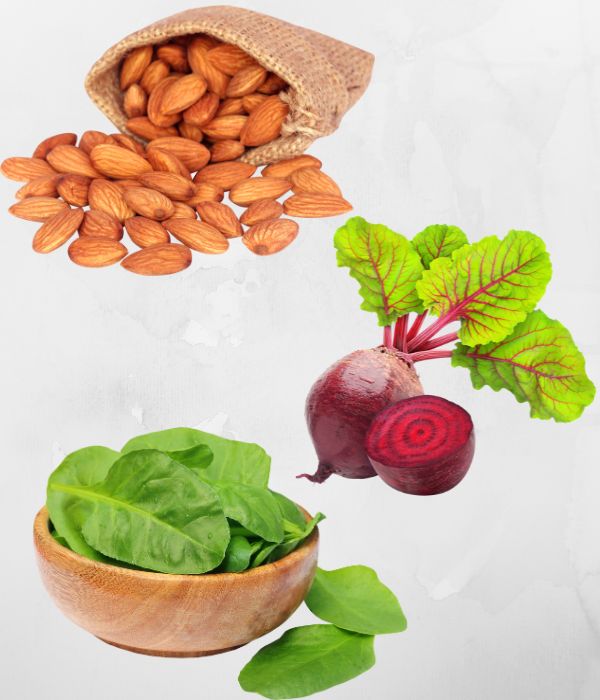
Nuts: Peanuts, Almonds, Sesame Seeds
Vegetables: Swiss Chard, Spinach, Beets, Potatoes, String Beens
Fruits: Rhubarb, Figs, Kiwi, Blackberries
Chocolate, eat white chocolate instead.
Foods Low In Oxalates
Nuts and Seeds: Raw pumpkin seeds, sprouted. Note: Most nuts and seeds are generally high in oxalates, so few are considered low oxalate.
Vegetables: Arugula, Avocado (Ripe Haas), Bok Choy, Cabbage, Cauliflower, Cilantro, Cucumber, Garlic, Kohlrabi, Lettuce, Mustard Greens, Mushrooms, Green Peas, Watercress, Radish
Recommended vegetables: Winter squash, Green peas, Bok Choy, Mustard greens, Radish
Recommended fruits: Blueberries, Lemons, Limes, Melons, Pineapple, Papaya, Mango, Gala Apples, Grapes
The production of oxalate in the body can increase under certain conditions, such as when there is a deficiency in Vitamin B6, or when high doses of Vitamin C are consumed or administered through injections. This brings us back to the question: are oxalates bad for you? The answer may depend on your individual health circumstances.
If you’ve experienced kidney stones, or if you identify with three or more of the issues listed below, reducing your oxalate intake could be beneficial for you:
- Kidney Infections: History or recurrence of kidney infections.
- Gastrointestinal Issues or Surgeries: If you have gastrointestinal problems or have undergone GI surgeries, particularly colon resectioning or gastric bypass.
- Unexplained, Variable Pain: Pain that appears intermittently without a clear cause, or pain that affects different areas of the body on different days.
- Limb Pain or Weakness: Experiencing pain or weakness in the arms, hands, legs, or feet.
- Back Pain and Stiffness: Regular occurrences of back pain or stiffness.
- Cloudy or Hazy Urine: Frequent instances of cloudy or murky urine.
- Poor Sleep and Chronic Fatigue: Issues with sleep or feeling tired frequently.
- Cognitive and Brain Function Issues: Experiencing brain fog, cognitive impairments, or mental fatigue.
- Slow Recovery Post Injury/Surgery: Prolonged or incomplete recovery after injuries or surgical procedures.
- Subpar Responses to Therapies: Finding little or no benefit from conventional or alternative treatments.
- Regular Consumption of High-Oxalate Foods: Daily intake of one or more high-oxalate foods.
Recognizing these signs and considering a reduction in oxalate-rich foods in your diet might help in managing these symptoms more effectively. So, are oxalates bad for you? If you experience these issues, reducing oxalate intake may be beneficial.
Identifying oxalate-related issues can be challenging due to several factors.
One major reason is ageism: many health issues caused by oxalates are often mistaken for normal signs of aging, leading to the assumption that they are natural and unavoidable.
The effects of oxalates can develop slowly and subtly, often remaining undetected by symptoms or standard medical tests. For instance, bone weakening due to oxalates might go unnoticed until a minor fall results in a fracture. However, the underlying cause of the bone fragility is seldom investigated.
There’s no uniform set of symptoms indicating oxalate toxicity, which adds to the complexity. Oxalates tend to bind with cells that are inflamed, damaged, or deteriorating – areas that are more vulnerable. But since the affected areas can differ from person to person, pinpointing oxalate as the culprit is difficult.
Even when symptoms are present, medical professionals rarely consider oxalate poisoning as a potential cause. This is true even for conditions like oxalate kidney stones. Surprisingly, in the United States, doctors often don’t inform patients about the oxalate composition of kidney stones, nor do they advise on avoiding high-oxalate foods.
Moreover, the detrimental impact of dietary oxalates is frequently underestimated, even in cases where individuals are clearly at risk. This oversight can leave those vulnerable to oxalate poisoning without the necessary guidance and precautions.
Reducing Oxalate: how to flush oxalates from body?
If you suspect that you’re experiencing issues or toxicity related to oxalates, the most crucial piece of advice is to reduce your oxalate intake gradually. This approach is especially important if your current diet is high in oxalates or if you have significant health concerns.
For those consuming over 500 mg of oxalates daily, aim to decrease by no more than 5% each week. This equates to roughly a 20-week period to achieve a low oxalate diet of 40-60 mg per day for an adult, and it’s not recommended to drop below 40 mg daily. You’re essentially aiming to reduce your intake by about 25 mg each week.
If your intake is 500 mg or less per day, a 10% weekly reduction may be feasible, taking around 10 weeks to reach a compliant low oxalate diet. This means cutting back by about 50 mg of oxalates weekly.
To illustrate, if you’re currently consuming 500 mg per day, you would reduce to 475 mg in the first week, then 450 mg in the second week, and so on. It’s essential to first determine your average daily oxalate intake, which may require a week of food journaling or a good understanding of your regular diet. From there, you can plan your reduction strategy.
Be aware that it’s easy to consume 1,000 mg or more of oxalates per day with foods like spinach, sweet potatoes, nuts (especially almonds), beets, rhubarb, and various gluten-free flour alternatives such as teff and nut flours, quinoa, hemp, soy, etc.
If tracking food intake isn’t your preference, consider reducing oxalates by eliminating certain foods or lowering serving sizes. You might maintain one or two higher oxalate foods in measured amounts. For example, you could keep a high-oxalate food like peanuts and consume a serving every other day while reducing overall intake. This method of intermittency—consuming a measured dose of a food with 50-100 mg of oxalates—can help moderate the effects of oxalate dumping.
For those with extremely high oxalate diets, a small serving of food in the 200-300 mg range might be necessary initially. However, this requires experimentation and attention to how your body reacts. The goal is to find the lowest oxalate dose that prevents dumping symptoms. Remember, there’s no one-size-fits-all approach, so it’s vital to listen to your body and adjust accordingly.
I love this book by Sally Norton, she is an expert on oxalates: Toxic Superfoods: How Oxalate Overload Is Making You Sick–and How to Get Better .
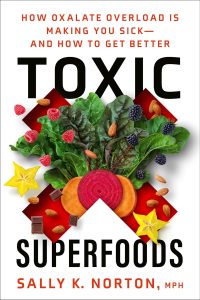
Toxic Superfoods was officially published January 3, 2023, and it was an instant Top 100 best-seller at Amazon.
Sally has a new book out, Data Companion. You can order it on her site here.
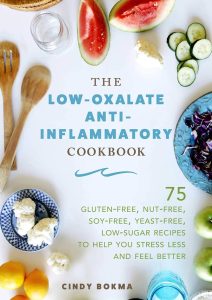
If you’re in search of an excellent cookbook, consider exploring one authored by food blogger Cindy Bokma: The Low-Oxalate Anti-Inflammatory Cookbook: 75 Gluten-Free, Nut-Free, Soy-Free, Yeast-Free, Low-Sugar Recipes to Help You Stress Less and Feel Better.
Oxalate Dumping
“Dumping” refers to the body’s process of eliminating accumulated oxalates through various means such as urine (kidneys), stool (digestive tract), mucus (lungs and respiratory tract), tears (eyes), and sweat or skin secretions. When dietary oxalate intake is lowered, it can trigger this dumping process as the oxalate levels in the bloodstream decrease, prompting the release of oxalate from bodily tissues.
The duration and intensity of dumping vary from person to person, influenced by factors like age, the duration of oxalate accumulation, prior dietary oxalate levels, whether one is a natural oxalate producer, genetic factors, nutritional deficiencies, gut health, oxidative stress levels, and individual genetics. The science surrounding oxalate and health is still evolving.
Currently, there is a lack of comprehensive studies on oxalate dumping, with limited case studies primarily focusing on individuals with genetic hyperoxaluria who have undergone liver transplants. However, anecdotal feedback suggests that dumping can be a lengthy process, potentially happening in stages, affecting different body parts at different times and lasting for months or even years.
Certain supplements may trigger or accelerate the dumping process. These include:
- Vitamins B6 and B1, which might induce dumping by addressing internal oxalate production.
- Biotin, as oxalate disrupts biotin-dependent enzymes, and supplementing with biotin may initiate dumping.
- Minerals like magnesium and calcium, which can bind dietary oxalate in the gut, reducing absorption and potentially prompting dumping.
- Citrate, found in supplements like magnesium citrate, calcium citrate, or natural sources like lemon juice, can dissolve calcium oxalate, aiding in its excretion.
When reducing oxalate intake, a range of physical and mental symptoms may be observed, often mirroring the issues that led individuals to consider a Low Oxalate Diet (LOD).
Some of the oxalate dumping symptoms are:
Gastrointestinal discomfort: Bloated stomach. Stomach pain/nausea. Sandy / light colored stool. Burning stool. Black specks / white crystals in stool. Diarrhea / Constipation / alternating diarrhea and constipation. IBD.
Urinary and Kidney Issues: Cloudy urine. Bladder pain. Kidney pain. Lower back pain. Gallbladder pain. Vulvodynia. Frequent urination. Chronic UTI’s. Kidney stones.
Sleep Disturbances: Insomnia.
Respiratory problems: Heart palpitations. Peripheral neuropathy. Burning tongue / mouth. Weight loss / gain. Flu like symptoms. Dry cough / phlegmy cough. Sore throat. Sinus issues. Headache. Asthma. Odd sensations (fullness) / plugged ears. Vertigo and dizziness. Tinnitus. Fluctuations in hearing.
Skin Conditions: Burning / red / gritty / crusty eyes. Floaters in eyes. Rashes. Psoriasis flares. Cold sores.
Joint and Muscle Pain: Burning feet/ skin Joint pain Muscle twitching.
Neurological Symptoms: Frozen shoulder. Back / neck pain. Achy all over.
Emotional Fluctuations: Irritability. Fatigue. Anxiety. Panic. Brain fog. Depression. Anger / sudden rage.
In some cases, these symptoms may intensify initially due to increased oxalate excretion.
Despite the challenges, dumping is a positive indication that stored oxalates, potentially contributing to various symptoms, are being removed from the body. It’s recommended to gradually reduce dietary oxalates and introduce supplements cautiously. This approach aims to manage the pace of dumping, reducing the intensity of associated symptoms. Additionally, since oxalates can drive pain and inflammation, a slower reduction is advised to avoid exacerbating health issues during the detoxification process.
Common Questions About Oxalates
Is honey high in oxalates? No, honey is low in oxalates.
Are carrots high in oxalates? Yes, carrots are medium to high in oxalates.
Is kale high in oxalates? Yes, kale is high in oxalates.
Are tomatoes high in oxalates? Tomatoes are medium in oxalates.
Is oatmeal high in oxalates? Oatmeal has moderate levels of oxalates.
Is arugula high in oxalates? Arugula is low in oxalates.
Is almond milk high in oxalates? Yes, almond milk can be high in oxalates.
Are chia seeds high in oxalates? Yes, chia seeds are high in oxalates.
Is turmeric high in oxalates? Yes, turmeric is high in oxalates.
Is celery high in oxalates? Celery is low in oxalates.
Are avocados high in oxalates? Avocados are low to medium in oxalates.
Are olives high in oxalates? Olives are low in oxalates.
Are walnuts high in oxalates? Walnuts are high in oxalates.
Are almonds high in oxalates? Yes, almonds are high in oxalates.
Is cabbage high in oxalates? Cabbage is low in oxalates.
Is coffee high in oxalates? Coffee is low in oxalates.
Are oats high in oxalates? Oats have low to moderate levels of oxalates.
Are onions high in oxalates? Onions are low in oxalates.
Are sunflower seeds high in oxalates? Sunflower seeds are low in oxalates.
Does arugula have oxalates? Yes, but in low amounts.
Are cranberries high in oxalates? Cranberries are moderate to high in oxalates.
Are peanuts high in oxalates? Yes, peanuts are high in oxalates.
Are lentils high in oxalates? Lentils have low to moderate levels of oxalates.
Does kale have oxalates? Yes, kale contains high levels of oxalates.
Are mushrooms high in oxalates? Mushrooms are low in oxalates.
Are strawberries high in oxalates? Strawberries have low levels of oxalates.
Is peanut butter high in oxalates? Yes, peanut butter can be high in oxalates.
Is quinoa high in oxalates? Quinoa is low in oxalates.
Is corn high in oxalates? Corn is low in oxalates.
Does almond milk have oxalates? Yes, it can be high in oxalates.
Is cilantro high in oxalates? Cilantro is low in oxalates.
Are sweet potatoes high in oxalates? Yes, sweet potatoes are high in oxalates.
Is maple syrup high in oxalates? Maple syrup is low in oxalates.
Are cucumbers high in oxalates? Cucumbers are low in oxalates.
Are green beans high in oxalates? Yes, green beans are high in oxalates.
Are blueberries high in oxalates? Blueberries are low in oxalates.
Are cashews high in oxalates? Yes, cashews are high in oxalates.
Are cherries high in oxalates? Cherries are low in oxalates.
Is yellow corn high in oxalates? Yellow corn is low in oxalates.
Are flax seeds high in oxalates? Yes, flax seeds are high in oxalates.
Are macadamia nuts high in oxalates? Macadamia nuts are low in oxalates.
Are pumpkin seeds high in oxalates? Pumpkin seeds are low in oxalates.
Is broccoli high in oxalates? Broccoli is low in oxalates.
Is pasta high in oxalates? Pasta is low in oxalates.
Are pecans high in oxalates? Pecans are moderate in oxalates.
Is tofu high in oxalates? Tofu is low in oxalates.
Are potatoes high in oxalates? White potatoes are moderate in oxalates.
Are oranges high in oxalates? Oranges are low in oxalates.
Is green tea high in oxalates? Green tea is low in oxalates.
Is ginger high in oxalates? Ginger is low in oxalates.
Are red peppers high in oxalates? Red peppers are low in oxalates.
Is asparagus high in oxalates? Asparagus is low in oxalates.
Low Oxalate Mashed Rutabaga Recipe
Ingredients:
– 2 large rutabagas, peeled and cut into chunks
– 2 tablespoons unsalted butter
– 1/4 cup milk (or a milk alternative)
– Salt and pepper to taste
– 1/4 teaspoon nutmeg (optional)
– Fresh herbs like parsley or chives for garnish (optional)
Instructions:
1. Prepare the Rutabaga: Peel the rutabagas and cut them into evenly sized chunks. This ensures they cook evenly.
2. Cook the Rutabaga: Place the rutabaga chunks in a large pot and cover with water. Add a pinch of salt to the water. Bring to a boil, then reduce heat and simmer for about 25-30 minutes, or until the rutabaga is tender and can be easily pierced with a fork.
3. Drain and Mash: Drain the cooked rutabaga and return it to the pot. Add the butter and milk. Mash the rutabaga using a potato masher or an immersion blender until smooth and creamy.
4. Season: Season with salt, pepper, and nutmeg (if using) to taste. Adjust the consistency by adding more milk if needed.
5. Garnish and Serve: Transfer the mashed rutabaga to a serving dish and garnish with fresh herbs if desired. Serve warm.
Tips:
Variations: For extra flavor, you can add a clove of garlic to the water while boiling the rutabaga or mix in some grated Parmesan cheese before serving.
Storage: Store any leftovers in an airtight container in the refrigerator for up to 3 days. Reheat gently on the stove or in the microwave, adding a splash of milk if needed.
Rutabagas are a great low oxalate vegetable and this mashed rutabaga recipe is a delicious and healthy alternative to mashed potatoes. Enjoy!
 Unlock Your Path to Vibrant Health: A Holistic Guide for Health and Longevity
[…] Gluten and Grains: Eliminated to enhance digestive health and reduce bloating. Seed Oils and High Oxalate Foods: Avoided to decrease inflammation and support cellular health. Nuts: Limited to pumpkin seeds which […]