
Intermittent Fasting and Metabolic Health
Intermittent Fasting and Metabolic Health: A Guide for Midlife Women
Discover how intermittent fasting can enhance weight management and improve insulin sensitivity during midlife. Explore suitable fasting protocols to support your health journey.
Understanding Intermittent Fasting
Intermittent fasting (IF) is an eating pattern that cycles between periods of eating and fasting. Unlike traditional diets that focus on what to eat, IF focuses on when to eat. This approach has gained popularity for its potential health benefits, particularly in weight management and metabolic health.
The Metabolic Benefits of Intermittent Fasting
1. Weight Management
Calorie Reduction: By limiting the eating window, IF can naturally reduce calorie intake without the need for strict dieting.
Increased Fat Burning: Fasting periods may enhance the body’s ability to burn fat for energy, aiding in weight loss.
Boosted Metabolism: Short-term fasting can increase metabolic rate, helping the body burn more calories.
2. Improved Insulin Sensitivity
Regulated Blood Sugar Levels: Fasting can help lower blood sugar and insulin levels, reducing the risk of insulin resistance.
Enhanced Hormone Function: IF may improve hormone levels that affect metabolism, such as adiponectin, which regulates glucose levels.
3. Cellular Repair and Autophagy
Autophagy Activation: Fasting triggers autophagy, a process where the body removes damaged cells, promoting cellular repair and longevity.
Reduced Inflammation: IF can decrease inflammation markers, potentially lowering the risk of chronic diseases.
4. Heart Health
Lowered Cholesterol: Intermittent fasting may reduce LDL cholesterol and triglycerides, improving cardiovascular health.
Blood Pressure Regulation: Some studies suggest that IF can help lower blood pressure.
5. Brain Health
Neuroprotective Effects: Fasting may enhance brain function and protect against neurodegenerative diseases.
Improved Cognitive Function: Many individuals report better focus and mental clarity during fasting periods.
Intermittent Fasting Protocols Suitable for Midlife Women
When considering intermittent fasting, it’s essential to choose a method that fits your lifestyle and health needs. Here are some popular and accessible protocols:
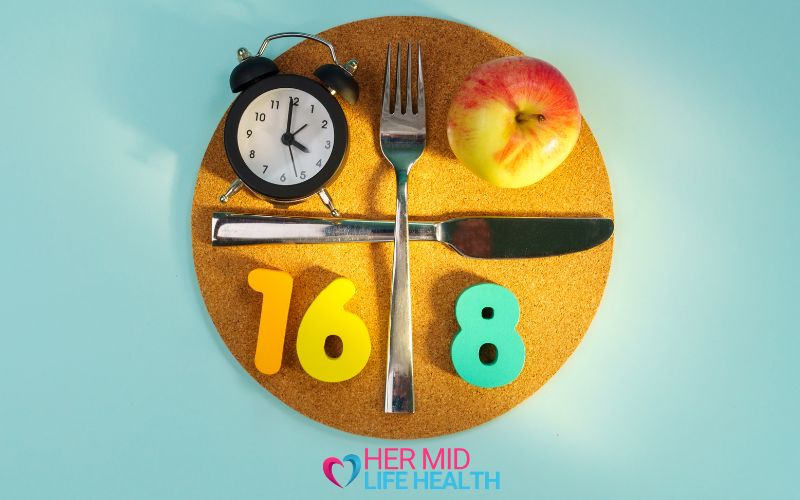
1. The 16/8 Method
How It Works: Fast for 16 hours and eat during an 8-hour window each day.
Example: Eat between 10 am and 6 pm; fast from 6 pm until 10 am the next day.
Benefits: This method is sustainable and can easily fit into most daily routines.
2. The 5:2 Diet
How It Works: Eat normally for five days a week and restrict calorie intake to 500-600 calories on two non-consecutive days.
Benefits: Allows flexibility during the week while providing the benefits of fasting.
3. Alternate-Day Fasting
How It Works: Alternate between days of normal eating and days where you consume about 25% of your usual calories.
Benefits: May lead to significant weight loss and improved metabolic health.
4. Eat-Stop-Eat
How It Works: Perform a 24-hour fast once or twice a week.
Example: Finish dinner at 7 pm and don’t eat again until 7 pm the next day.
Benefits: Provides extended fasting benefits but may be challenging for beginners.
5. The Warrior Diet
How It Works: Eat small amounts of raw fruits and vegetables during the day and have one large meal at night within a 4-hour window.
Benefits: Mimics ancestral eating patterns and may improve nutrient absorption.
6. Spontaneous Meal Skipping
How It Works: Skip meals when you’re not hungry or too busy to eat.
Benefits: Flexible approach that can reduce calorie intake without structured fasting.
Tips for Successful Intermittent Fasting in Midlife
Consult a Healthcare Professional
Personalized Advice: Before starting any fasting regimen, discuss it with your doctor, especially if you have underlying health conditions.
Medication Management: Ensure that fasting won’t interfere with any medications you may be taking.
Stay Hydrated
Drink Water: Adequate hydration is crucial during fasting periods.
Herbal Teas and Black Coffee: These can be consumed during fasting windows without breaking the fast.
Focus on Nutrient-Dense Foods
Balanced Diet: When not fasting, eat a variety of whole foods rich in vitamins, minerals, and fiber.
Avoid Overeating: Be mindful not to overcompensate during eating windows.
Listen to Your Body
Adjust as Needed: If you feel weak or unwell, consider modifying your fasting schedule.
Rest and Recovery: Ensure you’re getting enough sleep and managing stress.
Combine with Regular Exercise
Physical Activity: Incorporate moderate exercise to enhance weight loss and metabolic benefits.
Timing Workouts: Some prefer to exercise during fasting, but find what works best for you.
Be Patient
Gradual Progress: It may take time for your body to adjust to a new eating pattern.
Monitor Changes: Keep track of how you feel and any changes in weight or health markers.
Potential Considerations and Precautions
Not Suitable for Everyone: Intermittent fasting is not recommended for pregnant or breastfeeding women, individuals with eating disorders, or those with certain medical conditions.
Possible Side Effects: Some may experience hunger, fatigue, or irritability when starting. These often diminish as the body adapts.
Importance of Medical Guidance: Regular check-ups can help monitor the impact of fasting on your health.
Success Stories and Research Findings
Scientific Support
Studies: Research indicates that intermittent fasting can lead to significant weight loss and improved insulin sensitivity.
Longevity: Some animal studies suggest that fasting may extend lifespan and improve overall health.
Personal Experiences
Testimonials: Many midlife individuals report enhanced energy levels, better mental clarity, and successful weight management with intermittent fasting.
Community Support: Joining a group or forum can provide encouragement and share tips.
Intermittent fasting offers a flexible and effective approach to improving metabolic health and managing weight during midlife. By choosing a suitable fasting protocol and listening to your body’s needs, you can harness the benefits of this eating pattern.
Recommendations
Books on Intermittent Fasting
“The Complete Guide to Fasting” by Dr. Jason Fung
A comprehensive resource that explains the science behind intermittent fasting and provides practical guidance.
“Delay, Don’t Deny: Living an Intermittent Fasting Lifestyle” by Gin Stephens
An approachable guide that shares personal experiences and tips for success with intermittent fasting.
Nutritional Supplements
Electrolyte Powder for Fasting Support
Helps maintain electrolyte balance during fasting periods to reduce fatigue and cramps.
Health and Fitness Tracking Device
Fitbit Charge 5 Advanced Fitness & Health Tracker
Monitors heart rate, sleep patterns, and activity levels to help optimize your fasting and exercise routines.
Smart Body Composition Scale with BMI Analysis
Tracks weight, BMI, body fat percentage, and more to monitor progress.
Meal Planning and Recipe Resources
“Intermittent Fasting Cookbook: Meal Plans and Recipes”
Offers delicious and nutritious recipes tailored for various fasting protocols.
Convenient glass containers for preparing and storing meals during eating windows.
Insulated Stainless Steel Water Bottle
Keeps water cold for hours, encouraging adequate hydration throughout the day.
Herbal Fasting Organic Teas Variety Pack
A selection of organic teas that can be enjoyed during fasting periods.
Remember, it’s essential to approach intermittent fasting mindfully and with professional guidance to ensure it aligns with your health goals and lifestyle.
 Unlock Your Path to Vibrant Health: A Holistic Guide for Health and Longevity