
Is It Important To Have Electrolytes Everyday?
Is It Important To Have Electrolytes Everyday?
Understanding the role of electrolytes in your body is more than a matter of science; it’s a key to unlocking optimal health and well-being. For women, this understanding is especially crucial, as electrolytes are integral to many physiological processes. From hormonal balance to bone strength, electrolytes are the unsung heroes of women’s health.
What Are Electrolytes?
Electrolytes are minerals found in your blood, urine, and other bodily fluids that carry an electric charge. Essential electrolytes include sodium, potassium, calcium, magnesium, chloride, phosphate, and bicarbonate. These charged minerals are pivotal in controlling your body’s hydration levels, influencing muscle function, regulating blood acidity, and guiding nerve signaling.
Why Women Need to Pay Attention to Electrolytes:
Hormonal Fluctuations: Women’s bodies undergo hormonal cycles, such as menstruation, which can significantly affect fluid balance and electrolyte levels. For instance, the drop in progesterone and estrogen just before menstruation can lead to fluid retention and imbalance in electrolytes like magnesium.
Hydration and Electrolyte Balance in Mid-Life:
As women approach mid-life, the body undergoes significant changes that can impact hydration and electrolyte balance. For instance, hormonal fluctuations associated with perimenopause and menopause can affect how the body regulates water and electrolytes.
Additionally, changes in metabolism and kidney function with age can influence fluid balance. Therefore, it becomes increasingly important for mid-life women to monitor their intake of fluids and electrolytes. This can help in maintaining optimal hydration, supporting overall health, and mitigating symptoms associated with hormonal changes, such as hot flashes and night sweats. A diet rich in electrolyte-containing foods, like leafy greens for magnesium and calcium, and fruits like bananas for potassium, plays a key role in this stage of life.
Bone Health and Calcium: Women are at a greater risk for osteoporosis, especially post-menopause, when declining estrogen levels can affect bone density. Calcium, a key electrolyte, is vital for maintaining bone strength. Ensuring adequate calcium intake, along with vitamin D for absorption, is critical.
Exercise and Sweat Loss: Active women or those with high-intensity exercise routines can lose significant electrolytes through sweat. This loss needs to be replenished to maintain muscle function and prevent conditions like hyponatremia, where low sodium levels can lead to serious health issues.
Sources of Electrolytes:
A diverse diet rich in fruits, vegetables, dairy typically provides a good balance of electrolytes. For mid-life women, especially those who need to manage oxalate intake, choosing low-oxalate vegetables that are still rich in electrolytes is important. Instead of spinach and other high-oxalate leafy greens, consider incorporating vegetables like collard greens and mustard greens. These greens are excellent sources of calcium and magnesium, key electrolytes, and have lower oxalate levels.
Other low-oxalate options include broccoli and Brussels sprouts, which also provide valuable nutrients and help maintain electrolyte balance. These vegetables can be a crucial part of a diet aimed at promoting overall health and maintaining electrolyte equilibrium during mid-life. Oranges and bananas (potassium), dairy products (calcium), and table salt (sodium and chloride).
Supplementation and Balance:
In cases where dietary sources are insufficient, due to lifestyle or specific health conditions, supplementation might be necessary. Electrolyte powders, tablets, or drinks can be helpful, especially for athletes. However, it’s important to approach supplementation with caution, as excessive intake can lead to imbalances, like hypercalcemia (excess calcium) or hyperkalemia (excess potassium), which can have serious health implications.
Most electrolytes contain citric acid.
Citric Acid in Electrolytes: What You Need to Know
What is Citric Acid?
Citric acid is a naturally occurring organic compound found in citrus fruits like lemons, limes, and oranges. However, most citric acid used in food, beverages, and supplements is not derived directly from citrus fruits. Instead, it is synthetically produced through a fermentation process involving a mold called Aspergillus niger. This mold feeds on sugar or starch from sources like corn, sugar beet, or sugarcane to produce citric acid on an industrial scale.
Why is Citric Acid Used in Electrolytes?
Improved Palatability: Citric acid adds a tangy flavor, making electrolyte drinks more appealing and masking the taste of minerals like sodium and potassium.
Enhanced Solubility: It helps dissolve electrolytes in water more efficiently, ensuring an even distribution of nutrients.
Preservation: Citric acid acts as a natural preservative, preventing spoilage and prolonging shelf life.
Potential Negatives of Citric Acid in Electrolytes
Synthetic Origin from Mold:
The industrial production of citric acid involves Aspergillus niger, a mold that ferments sugars to produce the acid.
While this process is considered safe, some people are wary of consuming products derived from mold due to concerns about potential impurities or residual byproducts.
Tooth Enamel Erosion:
Citric acid is highly acidic and can erode tooth enamel with frequent or prolonged exposure, increasing the risk of dental issues like sensitivity and cavities.
Rinsing with water after consuming electrolyte drinks or using a straw can minimize contact with teeth.
Gastrointestinal Irritation:
For some individuals, citric acid can cause stomach discomfort, heartburn, or acid reflux, especially when consumed in large amounts.
Sensitivity or Allergic Reactions:
A small percentage of people may experience sensitivity or mild allergic reactions to citric acid, including skin irritation or gastrointestinal upset.
Individuals with mold sensitivities or citrus allergies may want to avoid citric acid derived from Aspergillus niger.
Interaction with Certain Conditions:
High-acid beverages, including those containing citric acid, may aggravate conditions like GERD (gastroesophageal reflux disease) or interstitial cystitis.
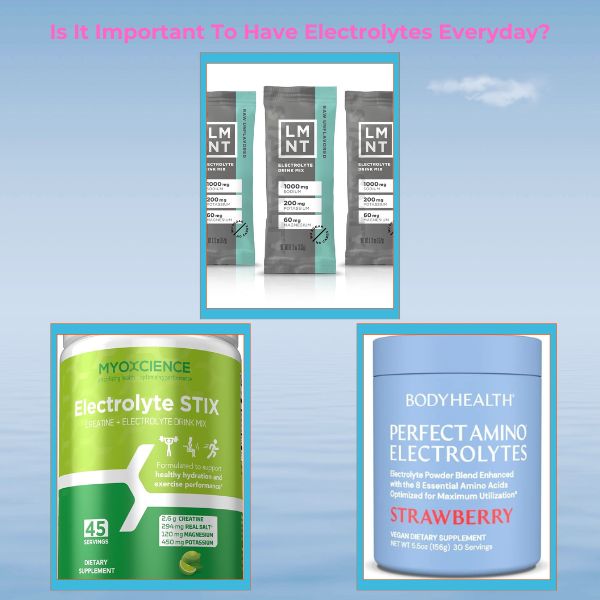
I’ve tried these three different electrolyte powders from Amazon and have found them to be quite effective:
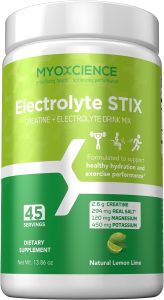
- MYOXCIENCE Electrolyte Stix | Real Salt, Electrolytes, Magnesium Potassium Plus Taurine and Creatine
This particular brand allows me the flexibility to scoop out the powder and adjust the dosage according to my needs. The lemon-lime flavor is my preferred choice.
Ingredients include: 2.6 grams of Creatine, 452 mg Potassium (as Potassium Citrate), 310 mg REAL SALT (not USP sodium), 170 mg of Magnesium (as Dimagnesium Malate), 500 mg Taurine and organic Monk Fruit as a sweetener.
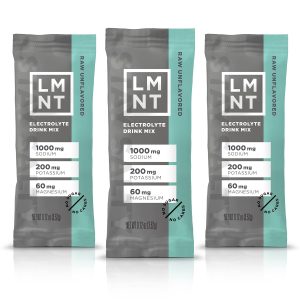
2. LMNT Zero Sugar Electrolytes – Raw Unflavored Salt
These are my favorite and I use them every time I go to the gym. They do not contain any citric acid or any artificial sweeteners at all. I like the LMNT electrolyte packets for their convenience, especially when going to the gym or traveling. They’re portable and easy to carry.
Additionally, each pack contains 1,000 mg of sodium, 200 mg of potassium, and 60 mg of magnesium, making them an effective choice for replenishing essential electrolytes.
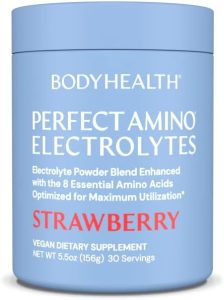
Each scoop contains Sodium – 300mg, Potassium – 250mg, Magnesium – 50mg, Trace Minerals – 80mg, Zinc – 2mg, and include 8 amino acids: L-Leucine, L–Valine, L–Isoleucine, L–Lysine Hydrochloride, L–Phenylalanine, L–Threonine, L–Methionine, L–Tryptophan. Includes Stevia, Monk fruit and beet juice for sweetness.
Listening to Your Body:
Signs of electrolyte imbalance can vary but often include muscle cramps or weakness, irregular heartbeat, changes in blood pressure, headaches, and extreme fatigue. If you experience these symptoms, especially after prolonged physical activity or changes in diet, it’s crucial to consult a healthcare professional.
Electrolytes, though small in size, play a massive role in maintaining women’s health. Understanding their impact and ensuring a balanced intake through diet or supplementation is key to supporting your body’s complex systems.
Common Questions About Electrolytes
What are electrolytes? Electrolytes are minerals that carry an electric charge and are vital for many bodily functions.
What do electrolytes do? They help regulate hydration, muscle function, nerve signaling, and blood acidity.
Electrolyte Drinks and Supplements
For those who need an extra boost or have difficulty getting enough electrolytes through diet alone, electrolyte drinks and supplements can be very beneficial. Here are some options and their benefits:
- Electrolyte Drinks:
- Gatorade: A popular sports drink that contains sodium and potassium to help replenish electrolytes lost during exercise. Gatorade Zero offers the same benefits without the sugar.
- Ultima Replenisher: This drink mix contains six electrolytes (magnesium, calcium, potassium, sodium, chloride, and phosphorus) and is sweetened with stevia, making it a good choice for those avoiding sugar.
- LMNT Electrolytes: Known for its high sodium content, LMNT is suitable for those on keto or low-carb diets and for athletes who sweat a lot.
- Nuun Electrolytes: These tablets dissolve in water and are great for on-the-go hydration. They contain a balanced mix of electrolytes and come in various flavors.
- Electrolyte Powders:
- Element Electrolytes: These powders are convenient for adding to your water bottle, providing a quick and easy way to get electrolytes.
- Redmond Re-Lyte Electrolyte Mix: This mix includes a broad spectrum of electrolytes from real salt, along with magnesium, potassium, and coconut water powder.
- BodyHealth PerfectAmino Electrolytes: Combines electrolytes with essential amino acids to support muscle recovery and hydration.
- Natural Sources of Electrolytes:
- Coconut Water: Naturally rich in potassium, magnesium, and sodium. It’s a great natural option for hydration.
- Watermelon: Contains water, potassium, and magnesium, making it a refreshing way to hydrate.
- Homemade Electrolyte Drinks: You can make your own by mixing water with a pinch of sea salt, a splash of lemon juice, and a teaspoon of honey or maple syrup.
Best Practices for Maintaining Electrolyte Balance
- Hydrate Properly: Drink water regularly, and consider water with electrolytes during and after intense exercise or on hot days.
- Balanced Diet: Include a variety of electrolyte-rich foods in your diet. Top 10 foods high in electrolytes include spinach, bananas, oranges, avocados, sweet potatoes, and yogurt.
- Monitor Symptoms: Pay attention to signs of electrolyte imbalance such as muscle cramps, fatigue, or dizziness. Adjust your intake accordingly.
- Consult Healthcare Professionals: Especially if you have underlying health conditions or are experiencing significant symptoms.
Electrolytes for Specific Needs
- Electrolytes for Dogs: Dogs can also benefit from electrolyte supplements, especially if they are active or unwell. Look for products specifically designed for pets, such as those offered by brands like Pedialyte for dogs.
- Electrolytes for Kids: Children may need electrolyte replenishment if they are very active or sick. Products like Pedialyte or diluted sports drinks can help.
- Electrolytes for Horses: Equine electrolytes are essential for working horses, particularly in hot weather. Products like Apple Elite Electrolytes can help maintain their hydration and performance.
Common Electrolyte Myths
- Does water have electrolytes? Regular water has minimal to no electrolytes. You need to add electrolytes to your water to make it effective for rehydration.
- Can you have too many electrolytes? Yes, excessive intake of electrolytes can lead to imbalances and health issues. Symptoms of too much electrolytes include confusion, irregular heartbeat, and muscle weakness.
- Do electrolytes give you energy? While electrolytes themselves do not provide energy, they support functions that help maintain energy levels, such as muscle function and hydration.
Practical Tips for Managing Electrolyte Intake
To maintain a healthy balance of electrolytes, consider these practical tips:
Hydration
- Drink Water with Electrolytes: Consider adding an electrolyte powder or tablets to your water, especially during and after intense exercise or on hot days.
- Monitor Fluid Intake: Aim to drink at least eight glasses of water daily, adjusting based on activity level and climate.
Diet
- Eat Electrolyte-Rich Foods: Incorporate a variety of fruits, vegetables, dairy products, and nuts into your diet to ensure you’re getting a good mix of electrolytes. Foods high in electrolytes include bananas, oranges, spinach, kale, and avocados.
- Balance Oxalate Intake: For those needing to manage oxalate levels, focus on low-oxalate vegetables such as broccoli and mustard greens, which still provide essential electrolytes.
Supplements
- Choose the Right Supplement: Select electrolyte supplements that match your needs. For example, LMNT electrolytes are great for those on a keto diet, while Nuun tablets are convenient for travel and sports.
- Follow Dosage Instructions: Avoid taking too many electrolytes at once. Stick to recommended dosages to prevent imbalances.
Special Considerations
- For Athletes: Regularly replenish electrolytes lost through sweat. Drinks like Gatorade, Powerade, and other sports drinks are designed for this purpose.
- During Fasting: Use electrolyte supplements without calories to maintain balance during fasting periods.
Benefits of Proper Electrolyte Balance
Maintaining a proper balance of electrolytes has numerous health benefits, including:
- Enhanced Physical Performance: Proper hydration and electrolyte levels improve muscle function and endurance.
- Improved Mental Clarity: Electrolytes support nerve signaling, which can enhance cognitive function and reduce brain fog.
- Better Heart Health: Electrolytes like potassium and magnesium help regulate heart rhythm and blood pressure.
- Faster Recovery: Post-exercise recovery is quicker when electrolyte levels are restored, reducing muscle cramps and fatigue.
Addressing Common Questions and Myths
What Happens When Your Body is Low on Electrolytes?
When your body is low on electrolytes, you may experience symptoms such as muscle cramps, weakness, fatigue, headaches, and irregular heartbeat. Severe imbalances can lead to serious health issues, including seizures and heart problems.
Can You Have Too Many Electrolytes?
Yes, excessive electrolyte intake can lead to hyperkalemia (too much potassium), hypernatremia (too much sodium), and other imbalances. Symptoms of too many electrolytes include nausea, confusion, and muscle weakness. It’s essential to maintain a balance and not over-supplement.
Are Electrolytes Good for You?
Yes, electrolytes are crucial for maintaining hydration, supporting muscle and nerve function, and regulating blood pressure. They are essential for overall health and well-being.
How to Get Electrolytes Naturally
Consume a balanced diet rich in fruits, vegetables, dairy products, and nuts. Foods like bananas, oranges, spinach, and yogurt are excellent sources of natural electrolytes. Coconut water is also a natural and refreshing source of electrolytes.
Electrolytes for Specific Groups
Electrolytes for Dogs
Just like humans, dogs can benefit from electrolytes, especially if they are active or unwell. Look for electrolyte supplements specifically designed for pets, such as Pedialyte for dogs, to ensure they are safe and effective.
Electrolytes for Kids
Children may need extra electrolytes if they are very active or recovering from illness. Products like Pedialyte or diluted sports drinks can help maintain their hydration and electrolyte levels.
Electrolytes for Horses
Electrolytes are crucial for working horses, particularly in hot weather. Products like Apple Elite Electrolytes can help maintain hydration and performance in equines.
Conclusion
Electrolytes play a fundamental role in maintaining health and wellness, particularly for women experiencing hormonal changes or engaging in physical activities. By understanding the importance of electrolytes and ensuring a balanced intake through diet, drinks, and supplements, you can support your body’s vital functions and improve overall well-being.
Whether you prefer natural sources, like foods high in electrolytes, or supplements, such as LMNT electrolytes or Nuun tablets, staying informed and proactive about your electrolyte balance is key. Remember, hydration and proper electrolyte management are essential for a healthy, vibrant life.
For more personalized advice, especially if you have underlying health conditions or are experiencing significant symptoms, consult a healthcare professional. Stay hydrated, eat well, and keep your electrolytes in balance to enjoy the best possible health.
 Unlock Your Path to Vibrant Health: A Holistic Guide for Health and Longevity