
Medications That Block Weight Loss: What Your Doctor May Not Tell You
“I recommended ‘healthy’ diets for years without knowing why my clients couldn’t lose weight. Then I started reviewing their medications — and everything changed.”

You’re eating right. You’re exercising. You’re doing everything your doctor told you to do. And the scale won’t budge.
Before you blame yourself, before you try another diet or add another hour at the gym, there’s something you need to know: the medications in your medicine cabinet might be sabotaging every effort you make.
As a registered pharmacist with 25+ years of experience in Dripping Springs, TX, I’ve reviewed thousands of medication lists. And I can tell you with certainty: this is one of the most overlooked barriers to weight loss in adults over 40.
The medications most likely to block your progress
1. Antidepressants (SSRIs and SNRIs)
The culprits: Paxil (paroxetine), Zoloft (sertraline), Lexapro (escitalopram), Effexor (venlafaxine)
While SSRIs may have minimal weight effects in the first few months, chronic use of one year or longer is consistently associated with weight gain, often 10-15 pounds or more. Paroxetine (Paxil) is the worst offender in this class.
The mechanism is sneaky. SSRIs affect serotonin receptors that regulate appetite and satiety. They can increase carbohydrate cravings, alter how your body processes glucose, and disrupt the hormones that tell your brain you’re full.
What you can do: Ask your prescriber about weight-neutral alternatives like bupropion (Wellbutrin), which can actually support weight loss in some patients. Never stop an antidepressant without medical guidance, but know that alternatives exist.
2. Beta blockers
The culprits: Metoprolol, atenolol, propranolol
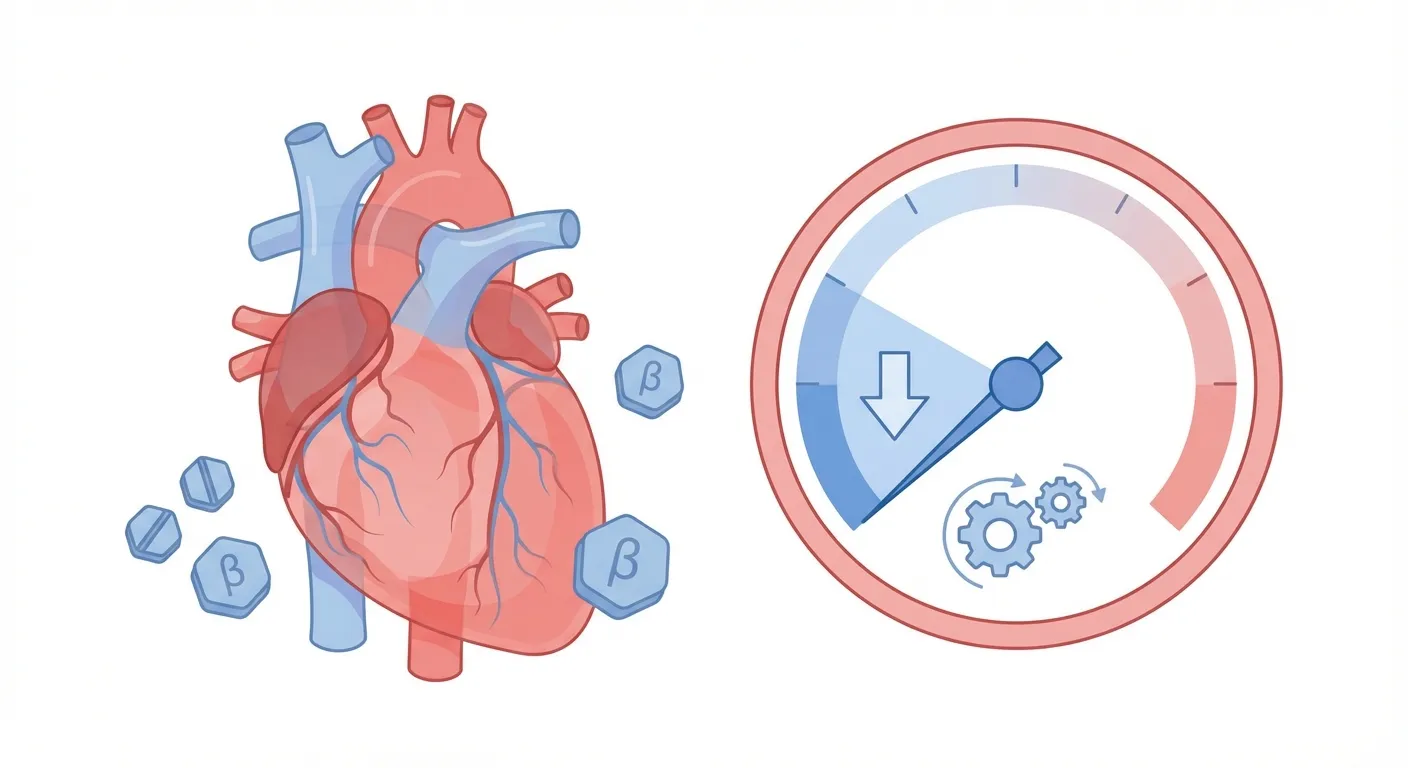
Beta blockers slow your heart rate. That’s their job. But they also slow your metabolism. Research shows metoprolol and propranolol can cause up to 5 pounds of weight gain, while atenolol can add up to 7.5 pounds.
They also cause fatigue that makes exercise feel impossible. When your resting heart rate is artificially lower, your body burns fewer calories at rest and during activity.
What you can do: ACE inhibitors and ARBs can manage blood pressure without the metabolic slowdown. Calcium channel blockers like amlodipine are another option. Talk to your doctor about whether a switch makes sense for your situation.
3. Corticosteroids (prednisone)
The culprits: Prednisone, prednisolone, dexamethasone, methylprednisolone
Corticosteroids mimic cortisol, your body’s stress hormone. They increase appetite dramatically, alter how your body stores fat (pushing it to your midsection and face), and cause fluid retention. Even short courses can have lasting metabolic effects.
Long-term use is devastating for body composition. The weight gain pattern is distinctive: moon face, buffalo hump, central belly fat — all while your arms and legs may stay thin.
What you can do: If you’re on long-term steroids for an autoimmune condition, ask about steroid-sparing alternatives. If you’re on short courses, work on anti-inflammatory nutrition to reduce your need for them over time.
4. Insulin and sulfonylureas
The culprits: Insulin (all types), glipizide, glyburide, glimepiride
The irony of diabetes management: some of the drugs prescribed to manage blood sugar cause significant weight gain. Insulin promotes fat storage. That’s literally one of its primary functions. Sulfonylureas stimulate your pancreas to produce more insulin, with the same result.
What you can do: Newer diabetes medications like metformin (which is weight-neutral or mildly weight-positive) and SGLT2 inhibitors can manage blood sugar without promoting fat storage. This is a conversation worth having with your endocrinologist.
5. Antihistamines
The culprits: Cetirizine (Zyrtec), diphenhydramine (Benadryl), hydroxyzine

This one surprises people. Over-the-counter allergy medications, especially when taken daily, can promote weight gain by blocking histamine receptors involved in appetite regulation. Histamine actually suppresses appetite, so blocking it does the opposite.
A study in Obesity journal found that chronic antihistamine users were significantly more likely to be overweight than non-users.
What you can do: Nasal steroid sprays (Flonase, Nasacort) treat allergies locally without systemic effects on weight. If you use Benadryl for sleep, melatonin or magnesium glycinate may be better options.
6. Sleep medications
The culprits: Ambien (zolpidem), Lunesta (eszopiclone), Seroquel (quetiapine when used off-label for sleep)
Sleep medications disrupt your natural circadian rhythm, which directly affects the hunger hormones leptin and ghrelin. You wake up hungrier, crave more carbohydrates, and your body’s fat-burning overnight processes are impaired.
Seroquel, increasingly prescribed off-label for insomnia, is one of the most weight-promoting medications in existence.
What you can do: Address the root cause of your insomnia. It’s often stress, screen habits, caffeine timing, or hormone imbalance, rather than masking it with medication.
7. Birth control (hormonal)
The culprits: Depo-Provera (the shot), some progestin-only pills
Depo-Provera is the standout here. Clinical studies show an average weight gain of over 20 pounds after 18 months of use. That’s not a side effect buried in fine print. That’s a fundamental change in body composition.
What you can do: Non-hormonal IUDs (copper), low-dose combination pills, or the hormonal IUD (Mirena, with minimal systemic effects) are alternatives worth discussing with your gynecologist.
Why your doctor may not connect the dots
This isn’t your doctor’s fault. Medical school spends minimal time on nutrition and even less on medication-induced metabolic changes. Your prescriber is focused on treating the condition the drug was prescribed for, not monitoring its downstream effects on your weight.
That’s where having a pharmacist review your complete medication list changes everything. We see the interactions, the cumulative effects, and the alternatives that most providers don’t have time to evaluate.
What to do right now
Step 1: Write down every medication and supplement you take — prescription, OTC, everything.
Step 2: Look at this list and ask: Could any of these be working against me?
Step 3: Call (512) 658-0515 and schedule a medication review with me. As a registered pharmacist and certified health coach, I’ll analyze your complete medication list, identify what’s blocking your progress, and work with your doctor on alternatives that don’t sabotage your metabolism.
Understanding what your medications are actually doing to your body is often the breakthrough that finally gets the scale moving.
The bottom line
Your medications might not be the only reason you can’t lose weight. But after 25 years of reviewing prescriptions, I can tell you this: they’re almost always a piece of the puzzle nobody’s looking at.
Stop blaming yourself. Start understanding your prescriptions.
📞 (512) 658-0515 — Free 30-minute clarity call
Irina Plakas, RPh | Certified Health Coach | Dripping Springs, TX
FAQ
Can I stop my medication if it’s causing weight gain?
Never stop a prescribed medication without your doctor’s guidance. Many of these drugs require gradual tapering, and the condition they treat may be more dangerous than the weight gain. The goal is finding alternatives, not going unmedicated.
How much weight can medications add?
It varies widely. Beta blockers might add 3-7 pounds. Antidepressants 10-15 pounds. Depo-Provera over 20 pounds. Corticosteroids can cause significant gains depending on dose and duration. The combined effect of multiple weight-promoting medications can be substantial.
Will my doctor know about weight-neutral alternatives?
Possibly, but this often isn’t their focus. A pharmacist specializing in metabolic health can identify specific alternatives within each drug class that treat your condition without the weight side effects, and present those options to your prescribing doctor.
How do I know if my medications are the problem?
The clearest sign: you’re doing everything right nutritionally and physically, but the scale won’t move — or moved initially and then completely stalled. A medication review can identify whether your prescriptions are creating a metabolic headwind.
 Unlock Your Path to Vibrant Health: A Holistic Guide for Health and Longevity