
If you have ever had a kidney stone, been told to watch your oxalate intake, or just want to understand what oxalates are doing in your food, this guide covers it.
Oxalates (oxalic acid) are natural compounds found in many plants. In small amounts, they pass through your body without trouble. But when intake is high and calcium intake is low, oxalates bind to calcium in the kidneys and form crystals. About 80% of kidney stones are calcium oxalate.
Most kidney stone dietitians recommend keeping total oxalate intake under 100mg per day. The problem is that some common “healthy” foods blow past that limit in a single serving.
High-Oxalate Foods to Watch
These foods contain the most oxalates per serving. If you are on a low-oxalate diet, limit or avoid these.
| Food | Oxalates | Serving Size |
|---|---|---|
| Spinach | 755mg | 1/2 cup cooked |
| Cacao (raw) | 623mg | 1 oz powder |
| Rhubarb | 541mg | 1/2 cup cooked |
| Swiss Chard | 350mg | 1/2 cup cooked |
| Star Fruit | 122mg | 1 medium fruit |
| Almonds | 122mg | 1 oz |
| Sweet Potatoes | 97mg | 1 medium |
| Potatoes (with skin) | 97mg | 1 medium baked |
| Navy Beans | 96mg | 1/2 cup cooked |
| Chia Seeds | 90mg | 1 oz |
| Beets | 76mg | 1/2 cup cooked |
| Quinoa | 70mg | 1 cup cooked |
| Chocolate | 65mg | 1 cup hot cocoa |
| Corn Grits | 57mg | 1 cup cooked |
| Cashews | 49mg | 1 oz |
| Raspberries | 48mg | 1 cup |
| Soybeans | 48mg | 1/2 cup cooked |
| Peanut Butter | 38mg | 2 tablespoons |
| Black Beans | 32mg | 1/2 cup cooked |
| Walnuts | 31mg | 1 oz |
Moderate-Oxalate Foods
These foods fit into a low-oxalate diet if you budget them. Stay aware of portions.
| Food | Oxalates | Serving Size |
|---|---|---|
| Hemp Seeds | 25mg | 3 tablespoons |
| Dates | 24mg | 3-4 dates |
| Soy Milk | 20mg | 1 cup |
| Avocado | 19mg | 1 whole |
| Celery | 19mg | 1 cup chopped |
| Blueberries | 18mg | 1 cup |
| Kale | 17mg | 1 cup raw |
| Chickpeas | 16mg | 1/2 cup cooked |
| Arugula | 15mg | 1 cup raw |
| Carrots | 15mg | 1/2 cup cooked |
| Tofu | 14mg | 1/2 cup firm |
| Pasta | 11mg | 1 cup cooked |
| Bok Choy | 10mg | 1 cup cooked |
| Turmeric | 10mg | 1 teaspoon |
| Pecans | 10mg | 1 oz |
| Kidney Beans | 10mg | 1/2 cup cooked |
| Lentils | 8mg | 1/2 cup cooked |
| Oatmeal | 7mg | 1 cup cooked |
| Tomatoes | 7mg | 1 medium |
| Green Tea | 7mg | 1 cup brewed |
| Corn | 6mg | 1/2 cup kernels |
| Flax Seeds | 6mg | 1 tablespoon |
| Asparagus | 5mg | 1/2 cup cooked |
| Macadamia Nuts | 5mg | 1 oz |
Low-Oxalate Foods (Safe to Eat Freely)
These foods have minimal oxalates and are safe for any low-oxalate diet.
| Food | Oxalates | Serving Size |
|---|---|---|
| Strawberries | 4mg | 1 cup |
| Blackberries | 4mg | 1 cup |
| Cinnamon | 4mg | 1 teaspoon |
| Rice (white) | 4mg | 1 cup cooked |
| Onions | 3mg | 1/2 cup |
| Rutabaga | 3mg | 1/2 cup cooked |
| Broccoli | 2mg | 1/2 cup cooked |
| Cucumbers | 2mg | 1/2 cup |
| Cilantro | 2mg | 1/4 cup |
| Honey | <1mg | 1 tablespoon |
| Maple Syrup | ~0mg | 1 tablespoon |
How to Reduce Oxalate Absorption
You do not have to eliminate every high-oxalate food. These strategies help reduce how much oxalate your body actually absorbs:
- Eat calcium with high-oxalate meals. Calcium binds to oxalates in the gut, preventing absorption. Pair spinach with cheese. Have yogurt alongside nuts. This is the single most effective strategy.
- Boil instead of steaming or eating raw. Boiling leaches 30-50% of oxalates into the water (which you discard). Steaming only removes about 5-15%.
- Drink plenty of water. Staying hydrated dilutes oxalate concentration in urine and reduces crystal formation. Aim for at least 2.5 liters per day if you are stone-prone.
- Spread your intake. Three moderate-oxalate meals are better than one high-oxalate meal. Your kidneys handle a steady trickle better than a flood.
- Get enough magnesium and potassium. Both minerals help prevent oxalate crystallization. Bananas, avocados, and fish are good sources that are also low in oxalates.
Reducing Oxalate: how to flush oxalates from body?
If you suspect that you're experiencing issues or toxicity related to oxalates, the most crucial piece of advice is to reduce your oxalate intake gradually. This approach is especially important if your current diet is high in oxalates or if you have significant health concerns.
For those consuming over 500 mg of oxalates daily, aim to decrease by no more than 5% each week. This equates to roughly a 20-week period to achieve a low oxalate diet of 40-60 mg per day for an adult, and it's not recommended to drop below 40 mg daily. You're essentially aiming to reduce your intake by about 25 mg each week.
If your intake is 500 mg or less per day, a 10% weekly reduction may be feasible, taking around 10 weeks to reach a compliant low oxalate diet. This means cutting back by about 50 mg of oxalates weekly.
To illustrate, if you're currently consuming 500 mg per day, you would reduce to 475 mg in the first week, then 450 mg in the second week, and so on. It's essential to first determine your average daily oxalate intake, which may require a week of food journaling or a good understanding of your regular diet. From there, you can plan your reduction strategy.
Be aware that it's easy to consume 1,000 mg or more of oxalates per day with foods like spinach, sweet potatoes, nuts (especially almonds), beets, rhubarb, and various gluten-free flour alternatives such as teff and nut flours, quinoa, hemp, soy, etc.
If tracking food intake isn't your preference, consider reducing oxalates by eliminating certain foods or lowering serving sizes. You might maintain one or two higher oxalate foods in measured amounts. For example, you could keep a high-oxalate food like peanuts and consume a serving every other day while reducing overall intake. This method of intermittency—consuming a measured dose of a food with 50-100 mg of oxalates—can help moderate the effects of oxalate dumping.
For those with extremely high oxalate diets, a small serving of food in the 200-300 mg range might be necessary initially. However, this requires experimentation and attention to how your body reacts. The goal is to find the lowest oxalate dose that prevents dumping symptoms. Remember, there's no one-size-fits-all approach, so it's vital to listen to your body and adjust accordingly.
I love this book by Sally Norton, she is an expert on oxalates: Toxic Superfoods: How Oxalate Overload Is Making You Sick--and How to Get Better .
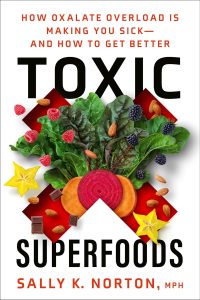
Toxic Superfoods was officially published January 3, 2023, and it was an instant Top 100 best-seller at Amazon.
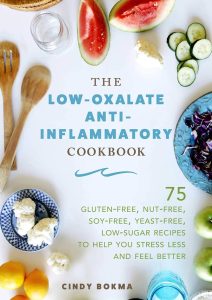
If you're in search of an excellent cookbook, consider exploring one authored by food blogger Cindy Bokma: The Low-Oxalate Anti-Inflammatory Cookbook: 75 Gluten-Free, Nut-Free, Soy-Free, Yeast-Free, Low-Sugar Recipes to Help You Stress Less and Feel Better.
Oxalate Dumping
"Dumping" refers to the body's process of eliminating accumulated oxalates through various means such as urine (kidneys), stool (digestive tract), mucus (lungs and respiratory tract), tears (eyes), and sweat or skin secretions. When dietary oxalate intake is lowered, it can trigger this dumping process as the oxalate levels in the bloodstream decrease, prompting the release of oxalate from bodily tissues.
The duration and intensity of dumping vary from person to person, influenced by factors like age, the duration of oxalate accumulation, prior dietary oxalate levels, whether one is a natural oxalate producer, genetic factors, nutritional deficiencies, gut health, oxidative stress levels, and individual genetics. The science surrounding oxalate and health is still evolving.
Currently, there is a lack of comprehensive studies on oxalate dumping, with limited case studies primarily focusing on individuals with genetic hyperoxaluria who have undergone liver transplants. However, anecdotal feedback suggests that dumping can be a lengthy process, potentially happening in stages, affecting different body parts at different times and lasting for months or even years.
Certain supplements may trigger or accelerate the dumping process. These include:
Vitamins B6 and B1, which might induce dumping by addressing internal oxalate production.
Biotin, as oxalate disrupts biotin-dependent enzymes, and supplementing with biotin may initiate dumping.
Minerals like magnesium and calcium, which can bind dietary oxalate in the gut, reducing absorption and potentially prompting dumping.
Citrate, found in supplements like magnesium citrate, calcium citrate, or natural sources like lemon juice, can dissolve calcium oxalate, aiding in its excretion.When reducing oxalate intake, a range of physical and mental symptoms may be observed, often mirroring the issues that led individuals to consider a Low Oxalate Diet (LOD).
Some of the oxalate dumping symptoms are:
Gastrointestinal discomfort: Bloated stomach. Stomach pain/nausea. Sandy / light colored stool. Burning stool. Black specks / white crystals in stool. Diarrhea / Constipation / alternating diarrhea and constipation. IBD.
Urinary and Kidney Issues: Cloudy urine. Bladder pain. Kidney pain. Lower back pain. Gallbladder pain. Vulvodynia. Frequent urination. Chronic UTI's. Kidney stones.
Sleep Disturbances: Insomnia.
Respiratory problems: Heart palpitations. Peripheral neuropathy. Burning tongue / mouth. Weight loss / gain. Flu like symptoms. Dry cough / phlegmy cough. Sore throat. Sinus issues. Headache. Asthma. Odd sensations (fullness) / plugged ears. Vertigo and dizziness. Tinnitus. Fluctuations in hearing.
Skin Conditions: Burning / red / gritty / crusty eyes. Floaters in eyes. Rashes. Psoriasis flares. Cold sores.
Joint and Muscle Pain: Burning feet/ skin Joint pain Muscle twitching.
Neurological Symptoms: Frozen shoulder. Back / neck pain. Achy all over.
Emotional Fluctuations: Irritability. Fatigue. Anxiety. Panic. Brain fog. Depression. Anger / sudden rage.
In some cases, these symptoms may intensify initially due to increased oxalate excretion.
Despite the challenges, dumping is a positive indication that stored oxalates, potentially contributing to various symptoms, are being removed from the body. It's recommended to gradually reduce dietary oxalates and introduce supplements cautiously. This approach aims to manage the pace of dumping, reducing the intensity of associated symptoms. Additionally, since oxalates can drive pain and inflammation, a slower reduction is advised to avoid exacerbating health issues during the detoxification process.
Who Needs to Care About Oxalates?
Not everyone needs to count oxalates. The people who benefit most:
- Anyone who has had a calcium oxalate kidney stone. If you have passed a stone and it was calcium oxalate (the most common type), limiting dietary oxalates reduces recurrence risk.
- People with gut absorption issues. Conditions like Crohn’s disease, IBS, or a history of gastric bypass surgery can increase oxalate absorption.
- People eating very high-oxalate diets without realizing it. A daily smoothie with spinach, almond milk, chia seeds, and cacao can hit 900mg+ of oxalates in a single glass.
For most healthy people with no kidney stone history, moderate oxalate intake is not a concern. Eat a varied diet and drink plenty of water.
The Oxalate Smoothie Trap
One of the most common ways people unknowingly overload on oxalates is through “health” smoothies. A typical green smoothie recipe might include:
- 1 cup spinach: 755mg
- 1 tablespoon almond butter: ~50mg
- 1 tablespoon chia seeds: ~45mg
- 1 cup blueberries: 18mg
- 1 cup almond milk: ~15mg
Total: ~883mg of oxalates in one drink. That is nearly 9 times the daily budget.
A simple swap fixes it: use kale (17mg) instead of spinach, macadamia milk instead of almond milk, flax seeds (6mg) instead of chia, and strawberries (4mg) instead of blueberries. Same smoothie concept, under 50mg total.
Common Questions About Oxalates
Is honey high in oxalates? No, honey is low in oxalates.
Are carrots high in oxalates? Yes, carrots are medium to high in oxalates.
Is kale high in oxalates? Yes, kale is high in oxalates.
Are tomatoes high in oxalates? Tomatoes are medium in oxalates.
Is oatmeal high in oxalates? Oatmeal has moderate levels of oxalates.
Is arugula high in oxalates? Arugula is low in oxalates.
Is almond milk high in oxalates? Yes, almond milk can be high in oxalates.
Are chia seeds high in oxalates? Yes, chia seeds are high in oxalates.
Is turmeric high in oxalates? Yes, turmeric is high in oxalates.
Is celery high in oxalates? Celery is low in oxalates.
Are avocados high in oxalates? Avocados are low to medium in oxalates.
Are olives high in oxalates? Olives are low in oxalates.
Are walnuts high in oxalates? Walnuts are high in oxalates.
Are almonds high in oxalates? Yes, almonds are high in oxalates.
Is cabbage high in oxalates? Cabbage is low in oxalates.
Is coffee high in oxalates? Coffee is low in oxalates.
Are oats high in oxalates? Oats have low to moderate levels of oxalates.
Are onions high in oxalates? Onions are low in oxalates.
Are sunflower seeds high in oxalates? Sunflower seeds are low in oxalates.
Does arugula have oxalates? Yes, but in low amounts.
Are cranberries high in oxalates? Cranberries are moderate to high in oxalates.
Are peanuts high in oxalates? Yes, peanuts are high in oxalates.
Are lentils high in oxalates? Lentils have low to moderate levels of oxalates.
Does kale have oxalates? Yes, kale contains high levels of oxalates.
Are mushrooms high in oxalates? Mushrooms are low in oxalates.
Are strawberries high in oxalates? Strawberries have low levels of oxalates.
Is peanut butter high in oxalates? Yes, peanut butter can be high in oxalates.
Is quinoa high in oxalates? Quinoa is low in oxalates.
Does almond milk have oxalates? Yes, it can be high in oxalates.
Is cilantro high in oxalates? Cilantro is low in oxalates.
Are sweet potatoes high in oxalates? Yes, sweet potatoes are high in oxalates.
Is maple syrup high in oxalates? Maple syrup is low in oxalates.
Are cucumbers high in oxalates? Cucumbers are low in oxalates.
Are green beans high in oxalates? Yes, green beans are high in oxalates.
Are blueberries high in oxalates? Blueberries are low in oxalates.
Are cashews high in oxalates? Yes, cashews are high in oxalates.
Are cherries high in oxalates? Cherries are low in oxalates.
Is yellow corn high in oxalates? Yellow corn is low in oxalates.
Are flax seeds high in oxalates? Yes, flax seeds are high in oxalates.
Are macadamia nuts high in oxalates? Macadamia nuts are low in oxalates.
Are pumpkin seeds high in oxalates? Pumpkin seeds are low in oxalates.
Is broccoli high in oxalates? Broccoli is low in oxalates.
Is pasta high in oxalates? Pasta is low in oxalates.
Are pecans high in oxalates? Pecans are moderate in oxalates.
Is tofu high in oxalates? Tofu is low in oxalates.
Are potatoes high in oxalates? White potatoes are moderate in oxalates.
Are oranges high in oxalates? Oranges are low in oxalates.
Is green tea high in oxalates? Green tea is low in oxalates.
Is ginger high in oxalates? Ginger is low in oxalates.
Are red peppers high in oxalates? Red peppers are low in oxalates.
Is asparagus high in oxalates? Asparagus is low in oxalates.
Low Oxalate Mashed Rutabaga Recipe
Ingredients:
- 2 large rutabagas, peeled and cut into chunks
- 2 tablespoons unsalted butter
- 1/4 cup milk (or a milk alternative)
- Salt and pepper to taste
- 1/4 teaspoon nutmeg (optional)
- Fresh herbs like parsley or chives for garnish (optional)
Instructions:
1. Prepare the Rutabaga: Peel the rutabagas and cut them into evenly sized chunks. This ensures they cook evenly.
2. Cook the Rutabaga: Place the rutabaga chunks in a large pot and cover with water. Add a pinch of salt to the water. Bring to a boil, then reduce heat and simmer for about 25-30 minutes, or until the rutabaga is tender and can be easily pierced with a fork.
3. Drain and Mash: Drain the cooked rutabaga and return it to the pot. Add the butter and milk. Mash the rutabaga using a potato masher or an immersion blender until smooth and creamy.
4. Season: Season with salt, pepper, and nutmeg (if using) to taste. Adjust the consistency by adding more milk if needed.
5. Garnish and Serve: Transfer the mashed rutabaga to a serving dish and garnish with fresh herbs if desired. Serve warm.
Tips:
Variations: For extra flavor, you can add a clove of garlic to the water while boiling the rutabaga or mix in some grated Parmesan cheese before serving.
Storage: Store any leftovers in an airtight container in the refrigerator for up to 3 days. Reheat gently on the stove or in the microwave, adding a splash of milk if needed.
Rutabagas are a great low oxalate vegetable and this mashed rutabaga recipe is a delicious and healthy alternative to mashed potatoes. Enjoy!
Ready to Build a Diet That Works for You?
Tracking oxalates is one piece of the puzzle. A health coach can help you build a complete eating plan that accounts for oxalates, inflammation, gut health, and your personal goals without making food feel like a spreadsheet.
Oxalate values are approximate and sourced from the Harvard T.H. Chan School of Public Health oxalate food list, The Kidney Dietitian (Melanie Betz, RD), and published clinical research. Values vary by growing conditions, preparation method, and brand. This content is for informational purposes only and does not constitute medical advice. Last updated March 2026.
 Unlock Your Path to Vibrant Health: A Holistic Guide for Health and Longevity