
Are Blackberries High in Oxalates?
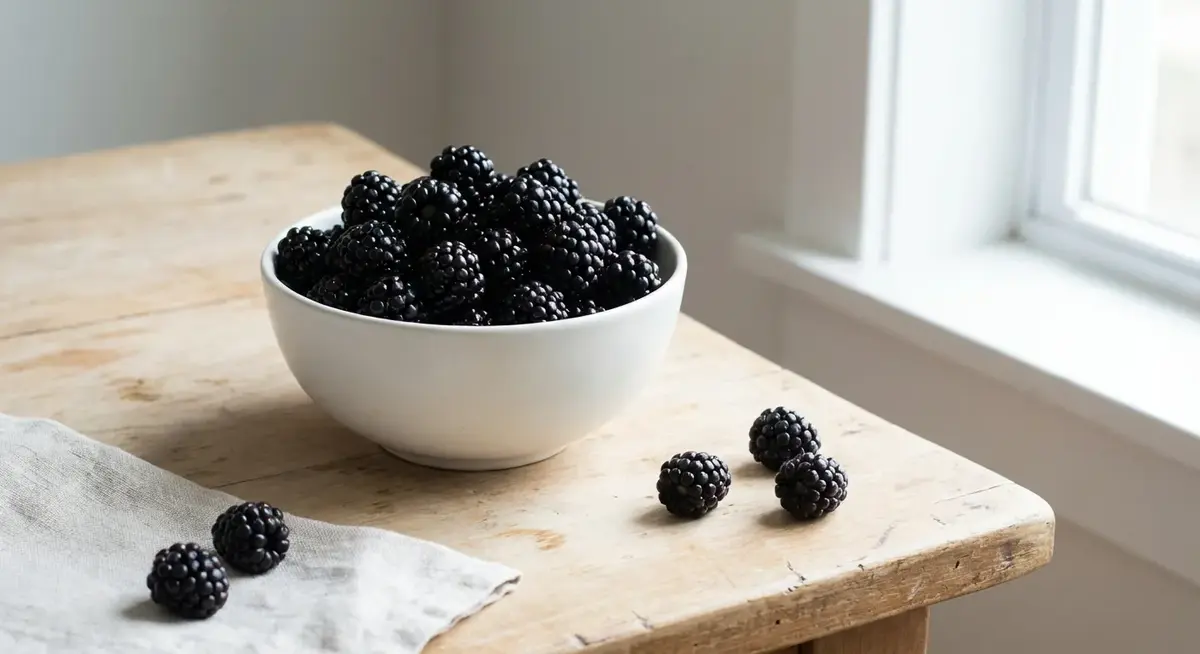
If you’re wondering “are blackberries high in oxalates,” here’s the short answer.
Blackberries contains about 4mg of oxalates per 1 cup (144g). That is considered low compared to other foods. Blackberries have about 4mg of oxalates per cup. That is low and safe for any low-oxalate diet.
How Does This Compare?
Among berries, blackberries are one of the lowest. Raspberries are dramatically higher at 48mg per cup. Blueberries are moderate at 18mg. Strawberries are similar to blackberries at about 4mg.
Who Should Watch Their Intake?
Blackberries are a great berry choice for people managing oxalates. They offer similar nutrition to raspberries without the high oxalate load.
What Are Oxalates?
Oxalates (oxalic acid) are natural compounds found in many plants. Your body also produces them as a metabolic byproduct. In small amounts, they pass through your system without issues.
The problem starts when oxalate intake is high and calcium intake is low. Oxalates bind to calcium in the kidneys and form calcium oxalate crystals, the most common type of kidney stone. About 80% of kidney stones are calcium oxalate.
How to Reduce Oxalate Absorption
- Pair high-oxalate foods with calcium. Eating calcium-rich foods (like cheese or yogurt) at the same meal binds oxalates in the gut before they reach the kidneys.
- Cook your vegetables. Boiling reduces oxalate content by 30-50% because oxalates leach into the water. Steaming helps less.
- Drink plenty of water. Staying hydrated dilutes oxalate concentration in urine, reducing crystal formation.
- Spread intake across meals. A moderate-oxalate food at each meal is better than a high-oxalate food all at once.
The Bottom Line
Blackberries is low in oxalates and safe for any low-oxalate diet. Eat it freely without worrying about oxalate buildup.
Want Help Building a Diet That Works for You?
Tracking oxalates is just one piece of the puzzle. A health coach can help you build a whole-food eating plan that accounts for oxalates, inflammation, gut health, and your personal goals. Book a free discovery call to get started.
Related Pages
- Oxalate Content in Common Foods: Complete Guide
- Is Rhubarb High in Oxalates?
- Are Blueberries High in Oxalates?
- Are Avocados High in Oxalates?
Disclaimer: Oxalate values are approximate and based on Harvard T.H. Chan School of Public Health. Values can vary by growing conditions, preparation method, and brand. This content is for informational purposes only and does not constitute medical advice. Consult a healthcare provider or registered dietitian for personalized guidance. Last verified March 2026.
 Unlock Your Path to Vibrant Health: A Holistic Guide for Health and Longevity