
Powerful Benefits of 7 Essential Herbal Teas
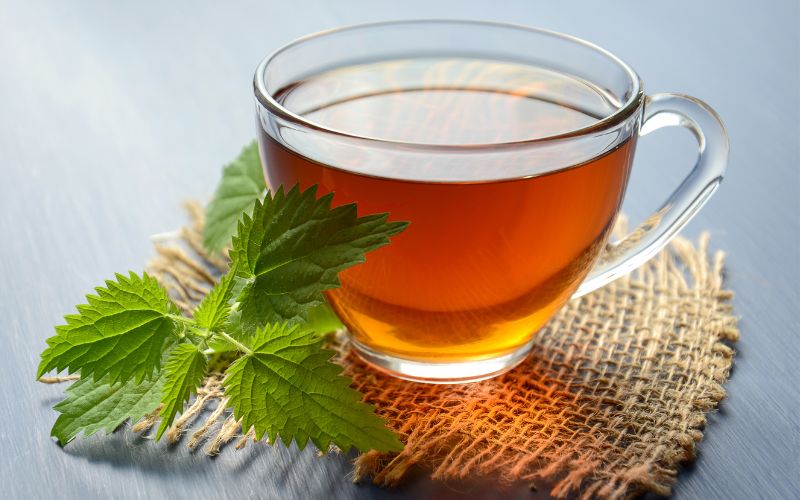
Powerful Benefits of 7 Essential Herbal Teas
Herbal teas offer a natural way to support hormonal health, providing numerous benefits without the side effects of synthetic treatments. Hormonal balance is crucial for overall well-being, especially for women navigating midlife.
Here are top 7 list of herbal teas and their medicinal uses:
1. Chamomile Tea

Digestive Health Benefits:
Chamomile tea is well-known for its ability to soothe digestive issues. It can help relieve symptoms of indigestion, such as gas, acid reflux, and bloating. Chamomile also has mild antispasmodic properties that can help reduce stomach cramps and ease the symptoms of irritable bowel syndrome (IBS).
Anti-Inflammatory Effects Benefits:
Chamomile contains anti-inflammatory compounds that can help reduce inflammation throughout the body. This can be particularly beneficial for conditions such as arthritis and other inflammatory disorders.
Immune System Support Benefits:
Regular consumption of chamomile tea can boost the immune system. Its antibacterial properties help fend off infections and can be particularly useful during cold and flu season.
Skin Health Benefits:
Chamomile tea can improve skin health when applied topically or consumed regularly. It has anti-inflammatory and antioxidant properties that can help reduce acne, eczema, and other skin irritations. It also promotes wound healing and can be used to soothe minor cuts and burns.
Heart Health Benefits:
The antioxidants in chamomile tea, such as flavonoids, can help protect the heart by reducing the risk of cardiovascular diseases. Regular consumption of chamomile tea can help lower blood pressure and cholesterol levels.
Menopause Symptom Management Benefits:
For women going through menopause, chamomile can also help alleviate symptoms such as hot flashes and night sweats. Its calming effects can further aid in managing mood swings and promoting better sleep during this transitional period.
Blood Sugar Regulation Benefits:
Chamomile tea can help regulate blood sugar levels and may be beneficial for managing diabetes. It helps prevent spikes in blood sugar and improves overall glucose control.
Oral Health Benefits:
Chamomile has antimicrobial properties that can help maintain oral health. Rinsing the mouth with chamomile tea can help reduce oral inflammation, prevent gum disease, and heal mouth ulcers.
Bone Health Benefits:
Chamomile tea contains compounds that may help increase bone density. This is particularly beneficial for postmenopausal women who are at risk of developing osteoporosis.
Allergy Relief Benefits:
Chamomile’s anti-inflammatory and antihistamine properties can help reduce symptoms of allergies, such as hay fever. Drinking chamomile tea during allergy season can help manage symptoms.
2. Red Clover Tea
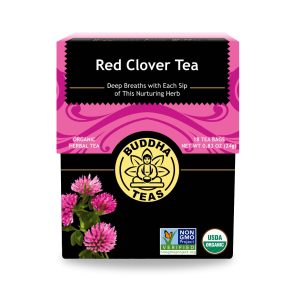
Menopausal Symptom Relief Benefits:
Red clover contains isoflavones, which are phytoestrogens that mimic estrogen in the body. This can help reduce common menopausal symptoms such as hot flashes, night sweats, and mood swings by balancing hormone levels.
Bone Health Benefits:
The isoflavones in red clover can help improve bone density, which is crucial for midlife women who are at increased risk of osteoporosis. Regular consumption of red clover tea can support bone health and reduce the risk of fractures.
Cardiovascular Health Benefits:
Red clover has been shown to improve cardiovascular health by reducing cholesterol levels and improving blood circulation. This can help lower the risk of heart disease, which becomes more prevalent in midlife.
Skin Health Benefits:
The antioxidants in red clover help protect the skin from damage caused by free radicals. This can lead to improved skin elasticity and a reduction in the appearance of fine lines and wrinkles, promoting a more youthful complexion.
Anti-inflammatory Properties Benefits:
Red clover has natural anti-inflammatory properties that can help reduce inflammation throughout the body. This can be particularly beneficial for women experiencing joint pain or inflammatory conditions.
Digestive Health Benefits:
Red clover can support digestive health by soothing the digestive tract and reducing symptoms of indigestion, such as bloating and gas. It can also promote regular bowel movements.
Immune System Support Benefits:
The immune-boosting properties of red clover help strengthen the body’s defenses against infections and illnesses. This is particularly beneficial during midlife when the immune system may need extra support.
Detoxification Benefits:
Red clover is known for its detoxifying effects, helping to cleanse the liver and blood. This can improve overall health and vitality by supporting the body’s natural detoxification processes.
Mood Enhancement Benefits:
The isoflavones in red clover can have a positive effect on mood by helping to balance hormones. This can lead to reduced anxiety and depression, promoting a better sense of well-being.
Weight Management Benefits:
Red clover can aid in weight management by improving metabolism and reducing cravings. This can be beneficial for midlife women who may find it more challenging to maintain a healthy weight due to hormonal changes.
3. Spearmint Tea
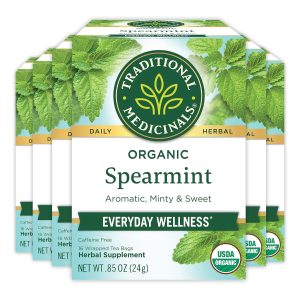
Hormonal Balance Benefits:
Spearmint tea has anti-androgen properties, which can help reduce excess levels of male hormones in women. This is particularly beneficial for women with polycystic ovary syndrome (PCOS) and those experiencing hormonal imbalances during midlife, helping to alleviate symptoms such as unwanted hair growth and acne.
Digestive Health Benefits:
Spearmint tea is known for its soothing effects on the digestive system. It can help alleviate symptoms of indigestion, such as bloating, gas, and nausea. It also helps relax the muscles of the gastrointestinal tract, which can improve digestion and relieve discomfort.
Respiratory Health Benefits:
The menthol in spearmint tea acts as a natural decongestant and can help relieve symptoms of respiratory conditions such as asthma, bronchitis, and sinus congestion. This can be particularly beneficial during allergy season or for those with chronic respiratory issues.
Mental Clarity and Focus Benefits:
Spearmint tea can enhance mental clarity and cognitive function. It has been shown to improve memory and concentration, which can be beneficial for midlife women who may experience brain fog or cognitive decline.
Weight Management Benefits:
Spearmint tea can aid in weight management by boosting metabolism and reducing appetite. Drinking spearmint tea regularly can help control cravings and support healthy weight loss or maintenance.
Anti-Inflammatory Properties Benefits:
Spearmint tea contains anti-inflammatory compounds that can help reduce inflammation throughout the body. This can be particularly beneficial for women experiencing joint pain, arthritis, or other inflammatory conditions during midlife.
Skin Health Benefits:
The antioxidants in spearmint tea help fight free radicals that can cause skin aging. Regular consumption of spearmint tea can improve skin health, reduce acne, and promote a clearer, more youthful complexion.
Immune System Support Benefits:
Spearmint tea has antimicrobial and antiviral properties that can help boost the immune system and protect against infections. This can be especially important for maintaining overall health and preventing illness.
Stress Relief Benefits:
The soothing aroma and calming effects of spearmint tea can help reduce stress and anxiety. Drinking spearmint tea can promote relaxation and improve mood, making it a great addition to a self-care routine.
Menstrual Pain Relief Benefits:
Spearmint tea can help alleviate menstrual cramps and discomfort. Its anti-inflammatory and antispasmodic properties can relax the muscles of the uterus and reduce pain, making it beneficial for women who experience painful periods.
Oral Health Benefits:
Spearmint tea has antibacterial properties that can help maintain oral hygiene. Drinking spearmint tea can reduce bad breath and protect against oral infections and gum disease.
4. Raspberry Leaf Tea
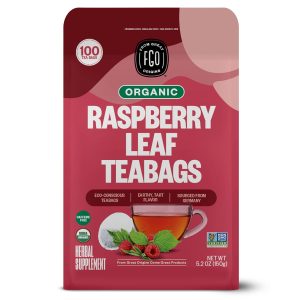
Menopausal Symptom Relief Benefits:
Raspberry leaf tea can help alleviate symptoms associated with menopause, such as hot flashes, night sweats, and mood swings. Its hormone-balancing properties can provide comfort during this transitional period.
Bone Health Benefits:
Raspberry leaf tea is rich in calcium, magnesium, and phosphorus, which are essential for maintaining strong bones. This can help reduce the risk of osteoporosis, which is more prevalent in midlife women.
Uterine Health Benefits:
Raspberry leaf tea is known for its ability to tone the muscles of the uterus, which can promote uterine health and ease menstrual cramps. This benefit extends to women in perimenopause who may experience irregular and painful periods.
Cardiovascular Health Benefits:
The antioxidants in raspberry leaf tea can help improve cardiovascular health by reducing inflammation and preventing oxidative stress. This can lower the risk of heart disease, which becomes more significant in midlife.
Digestive Health Benefits:
Raspberry leaf tea can support digestive health by soothing the digestive tract and reducing symptoms of indigestion, such as bloating and gas. It also promotes healthy bowel movements and can help prevent constipation.
Immune System Support Benefits:
The vitamins and minerals in raspberry leaf tea, including vitamin C, can boost the immune system and help the body fend off infections. This is particularly beneficial during periods of stress or seasonal changes.
Skin Health Benefits:
The anti-inflammatory and antioxidant properties of raspberry leaf tea can improve skin health, reducing redness, irritation, and the appearance of wrinkles. Drinking the tea can promote a clearer, more youthful complexion.
Weight Management Benefits:
Raspberry leaf tea can aid in weight management by boosting metabolism and reducing appetite. Its diuretic properties can also help reduce water retention and bloating.
Detoxification Benefits:
Raspberry leaf tea has mild diuretic properties that can help flush out toxins from the body. This supports the liver and kidneys in their detoxification processes, promoting overall health.
Hormonal Balance Benefits:
The hormone-balancing properties of raspberry leaf tea can help regulate menstrual cycles and alleviate symptoms of hormonal imbalances. This can be particularly beneficial for women experiencing perimenopause.
Anti-Inflammatory Properties:
Raspberry leaf tea contains compounds that have anti-inflammatory effects, which can help reduce inflammation throughout the body. This can be beneficial for women with inflammatory conditions such as arthritis.
Energy Boost Benefits:
The vitamins and minerals in raspberry leaf tea can provide a natural energy boost, helping to combat fatigue and increase vitality. This can be especially useful for midlife women who may experience decreased energy levels.
Reproductive Health Benefits:
Raspberry leaf tea supports overall reproductive health by toning the muscles of the reproductive organs and promoting hormonal balance. This can be beneficial for women experiencing changes in their reproductive system during midlife.
5. Ashwagandha Tea

Stress Reduction Benefits:
Ashwagandha is known for its adaptogenic properties, which help the body manage and reduce stress. For midlife women, managing stress is crucial as it can affect overall health and hormonal balance.
Hormonal Balance Benefits:
Ashwagandha supports the endocrine system, which is responsible for hormone production and regulation. This can be particularly beneficial for women going through menopause or experiencing hormonal fluctuations during midlife.
Improved Sleep Quality Benefits:
Ashwagandha can help improve sleep quality by promoting relaxation and reducing anxiety. Good sleep is essential for overall health and well-being, especially for women experiencing sleep disturbances during menopause.
Enhanced Cognitive Function Benefits:
Ashwagandha has been shown to improve cognitive function, including memory and concentration. This can help counteract the effects of brain fog and cognitive decline that some women experience during midlife.
Increased Energy Levels Benefits:
Regular consumption of ashwagandha tea can help boost energy levels and combat fatigue, which is a common issue for midlife women.
Support for Adrenal Health Benefits:
Ashwagandha supports adrenal gland function, which can be beneficial for women experiencing adrenal fatigue due to chronic stress.
Immune System Support Benefits:
Ashwagandha has immunomodulatory effects, meaning it can help regulate and boost the immune system. This is important for maintaining overall health and preventing illness.
Anti-Inflammatory Properties Benefits:
Ashwagandha has anti-inflammatory properties that can help reduce inflammation in the body. This can be beneficial for women with conditions like arthritis or other inflammatory diseases.
Improved Mood Benefits:
Ashwagandha can help improve mood by reducing symptoms of anxiety and depression. This can enhance overall emotional well-being for midlife women.
Heart Health Benefits:
Ashwagandha has been shown to support cardiovascular health by reducing cholesterol and blood pressure levels. This can help lower the risk of heart disease, which increases with age.
Bone Health Benefits:
Some studies suggest that ashwagandha may help improve bone density, which is crucial for midlife women who are at increased risk of osteoporosis.
Weight Management Benefits:
Ashwagandha can help regulate metabolism and reduce stress-related cravings, which can aid in weight management.
6. Peppermint Tea

Digestive Health Benefits:
Peppermint tea is well-known for its soothing effects on the digestive system. It can help alleviate symptoms of indigestion, bloating, gas, and irritable bowel syndrome (IBS) by relaxing the muscles of the gastrointestinal tract and promoting healthy digestion.
Relief from Menopausal Symptoms
Peppermint tea can help reduce some of the uncomfortable symptoms associated with menopause, such as hot flashes and night sweats. Its cooling properties can provide a natural relief during these episodes.
Stress and Anxiety Reduction Benefits:
The aroma of peppermint has been shown to have calming effects that can help reduce stress and anxiety. Drinking peppermint tea can promote relaxation and improve mood, which is beneficial for managing the emotional fluctuations that often occur during midlife.
Headache Relief Benefits:
Peppermint tea has natural analgesic properties that can help alleviate headaches and migraines. The menthol in peppermint can provide a soothing effect and reduce the severity and frequency of headaches.
Improved Sleep Quality Benefits:
By promoting relaxation and reducing stress, peppermint tea can help improve sleep quality. This can be particularly beneficial for women experiencing sleep disturbances during menopause.
Respiratory Health Benefits:
Peppermint tea can act as a natural decongestant, helping to relieve symptoms of respiratory conditions such as sinus congestion, asthma, and bronchitis. Its menthol content can help clear the respiratory tract and improve breathing.
Weight Management Benefits:
Peppermint tea can aid in weight management by suppressing appetite and reducing cravings. Drinking peppermint tea regularly can support healthy eating habits and contribute to weight loss or maintenance efforts.
Skin Health Benefits:
The antioxidants and anti-inflammatory properties of peppermint tea can improve skin health. It can help reduce acne, soothe irritation, and promote a clearer complexion.
Immune System Support Benefits:
Peppermint tea has antimicrobial and antiviral properties that can help boost the immune system and protect against infections. This can be especially important for maintaining overall health during midlife.
Energy Boost Benefits:
Peppermint tea can provide a natural energy boost without the caffeine, making it a great choice for those looking to increase their energy levels and reduce fatigue during the day.
Oral Health Benefits:
Peppermint tea has antibacterial properties that can help maintain oral hygiene. Drinking peppermint tea can reduce bad breath and protect against oral infections and gum disease.
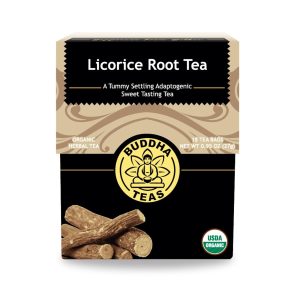
7. Licorice Root Tea
Hormonal Balance Benefits:
Licorice root contains phytoestrogens, which can help balance hormone levels. This is particularly beneficial for women experiencing menopause or perimenopause, as it can alleviate symptoms such as hot flashes, night sweats, and mood swings.
Adrenal Support Benefits:
Licorice root tea can support adrenal gland function and help manage adrenal fatigue, which is common in midlife women due to chronic stress. It helps regulate cortisol levels, promoting better stress management and energy levels.
Digestive Health Benefits:
Licorice root tea is known for its soothing effects on the digestive system. It can help alleviate symptoms of indigestion, heartburn, and stomach ulcers by forming a protective coating on the stomach lining and reducing inflammation.
Anti-Inflammatory Properties Benefits:
Licorice root has powerful anti-inflammatory properties that can help reduce inflammation throughout the body. This can be beneficial for women experiencing joint pain, arthritis, or other inflammatory conditions.
Immune System Support Benefits:
The antimicrobial and antiviral properties of licorice root tea can help boost the immune system and protect against infections. Regular consumption can strengthen the body’s defenses and promote overall health.
Respiratory Health Benefits:
Licorice root tea can help relieve symptoms of respiratory conditions such as asthma, bronchitis, and sore throat. Its soothing and expectorant properties help clear mucus and reduce inflammation in the respiratory tract.
Skin Health Benefits:
The anti-inflammatory and antimicrobial properties of licorice root tea can improve skin health. It can help reduce skin conditions such as eczema, acne, and rosacea by soothing inflammation and fighting bacteria.
Heart Health Benefits:
Licorice root tea may help support heart health by reducing cholesterol levels and improving blood circulation. This can help lower the risk of cardiovascular diseases, which become more prevalent in midlife.
Weight Management Benefits:
Licorice root tea can aid in weight management by reducing cravings and promoting a feeling of fullness. Its ability to regulate blood sugar levels can also help prevent weight gain and support metabolic health.
Liver Detoxification Benefits:
Licorice root tea supports liver health by promoting detoxification and reducing liver inflammation. A healthy liver is crucial for overall well-being, especially for women in midlife who may be more susceptible to liver-related issues.
Do Herbal Teas Have Caffeine?
Herbal teas generally do not contain caffeine. They are made from a variety of plants, herbs, flowers, and spices that are naturally caffeine-free. All the teas above are caffeine free.
Best Herbal Teas for Hormonal Balance
Chamomile Tea
Red Clover Tea
Spearmint Tea
Raspberry Leaf Tea
Ashwagandha Tea
Peppermint Tea
Licorice Root Tea
Maca Root Tea – Known for balancing hormones and boosting energy.
Holy Basil (Tulsi) Tea – Reduces stress and supports hormonal balance.
Ginger Tea – Anti-inflammatory and supports digestive health.
How to Incorporate Herbal Teas into Your Routine
Daily Ritual: Make herbal tea a part of your daily routine, enjoying a cup in the morning or evening. Consistency is key to reaping the benefits of these natural remedies.
Variety: Rotate different herbal teas to benefit from a range of properties. This ensures a balanced intake of various beneficial compounds and prevents over-reliance on a single herb.
Quality: Choose high-quality, organic teas to ensure you’re getting the most benefits without harmful additives. Look for reputable brands and check for certifications indicating organic and non-GMO products.
Incorporating herbal teas into your daily routine can be a gentle and effective way to support hormonal balance. From reducing stress to alleviating menopausal symptoms, herbal teas offer a natural solution for maintaining overall health and well-being. Always consult with a healthcare provider before starting any new herbal regimen, especially if you have underlying health conditions or are taking medications.
By understanding and leveraging the benefits of herbal teas, midlife women can enhance their health journey naturally and holistically.
 Unlock Your Path to Vibrant Health: A Holistic Guide for Health and Longevity