
Reduce Adrenal Stress with Lifestyle Techniques
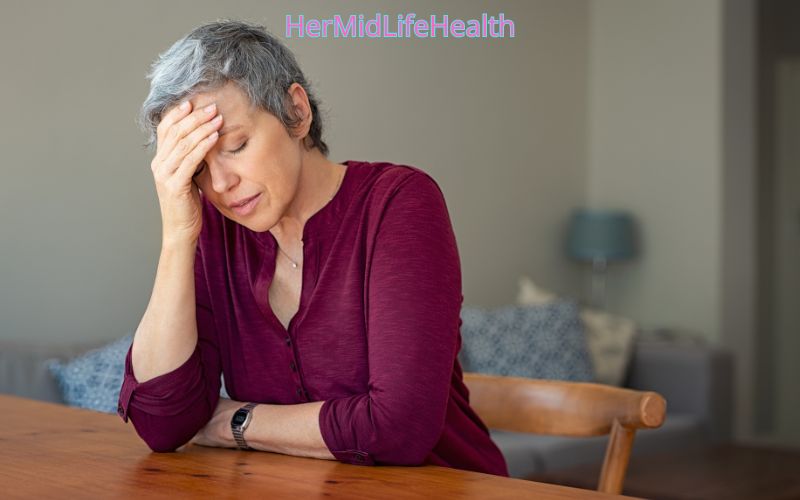
Managing adrenal stress is essential for overall well-being, especially when it comes to supporting adrenal health. Here are some lifestyle techniques that can help reduce stress and promote a positive outlook:
1. Mindful Walking
Walking might seem simple, but doing it mindfully can greatly enhance its stress-reducing benefits. Instead of looking at the ground or engaging in worrisome conversations, focus on your surroundings. Observe the trees, clouds, birds, and grass. Take the time to truly notice the details around you—both near and far. If you’re walking with someone, keep the conversation positive. This practice can help you get out of your head, reduce excess adrenal stress hormone production, and improve your mood.
2. Addressing Negative Relationships
If you have relationships that consistently make you feel unhappy or drained, it might be time to set healthy boundaries. Consider having an open and honest conversation with the person about how their actions affect you. Explain your feelings calmly and assertively. If the situation doesn’t improve, you may need to limit your time with them. Remember, it’s important to surround yourself with people who uplift and support you. Consulting a counselor or therapist can provide guidance on handling these situations effectively.
3. Embracing Laughter and Joy
Laughter is a powerful stress reliever that can lower adrenal stress hormones and boost neurotransmitter levels. Allow yourself to be playful and find humor in everyday situations. Watch comedies, read funny books, and spend time with people who make you laugh. Focusing on joyful and lighthearted experiences can enhance your well-being and promote a more positive outlook on life.
4. Limiting Negative Media Exposure
Constant exposure to negative news can contribute to increased stress and anxiety. Consider reducing the time you spend watching news broadcasts or reading negative articles. Instead, choose media that inspires and uplifts you. Think of your mind as a computer—be selective about the “downloads” you allow, opting for content that brings happiness and positivity.
5. Curating Your Social Media Feed
Unfollow social media accounts or groups that consistently share negative or distressing content. By surrounding yourself with positive influences online, you can foster a more optimistic mindset. Remember, you have control over what you see on your news feed.
6. Organizing Your Environment
A cluttered or messy space can contribute to feelings of stress and overwhelm. Take time to clean and organize your living areas. Creating a tidy and orderly environment can help clear your mind and reduce subconscious stress. Even small improvements can make a significant difference in how you feel.
7. Practicing the Reactionary Delay Technique
This technique helps you gain perspective and reduce the intensity of negative emotions in challenging situations. Here’s how to apply it:
Steps:
Identify the Emotion: Recognize the negative emotion you’re experiencing.
Pause and Set It Aside: Mentally set the emotion aside for a moment. Imagine placing it outside of yourself.
Engage with Your Surroundings: Look at five or more objects in your environment. Observe them carefully, noting details without focusing on your emotions.
Express Gratitude: Think of three things you’re grateful for.
Reflect and Resolve:
a. Understand the Situation: Consider why the situation occurred. If others are involved, try to see things from their perspective.
b. Find a Solution: Imagine watching the situation objectively, as if it’s a scene in a movie. Determine what steps you can take to feel better.
c. Take Action: Write down your proposed solution and implement it to resolve the issue.
This practice encourages analytical thinking over emotional reactivity, helping you manage stress more effectively.
Books on Stress Management and Mindfulness
“The Relaxation and Stress Reduction Workbook” by Martha Davis, Elizabeth Robbins Eshelman, and Matthew McKay
A comprehensive guide offering proven techniques for relaxation and stress management.
“Mindfulness for Beginners: Reclaiming the Present Moment—and Your Life” by Jon Kabat-Zinn
An introduction to mindfulness practices to reduce adrenal stress and improve well-being.
Meditation and Relaxation Aids
Meditation Cushion Set Provides comfort during meditation sessions to enhance focus and relaxation.
Essential Oil Diffuser with Relaxing Aromatherapy Oils. Creates a calming environment with soothing scents like lavender and chamomile.
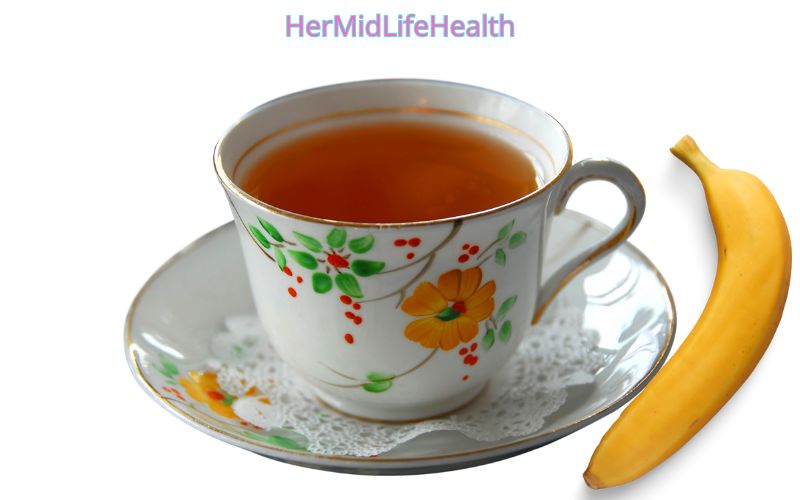
Soothing Banana Peel Tea Recipe
If you’re feeling stressed after a long day of cooking or need a moment of calm amidst the hustle and bustle of family gatherings, try this simple and relaxing banana peel tea.
Total Preparation Time: 1 minute
Total Cook Time: 5 minutes
Total Time: 6 minutes
Ingredients:
1 organic banana
3 cups water
Directions:
Prepare the Banana:
Wash the organic banana thoroughly to remove any dirt or residues.
Cut off both ends—the stem and the tip.
Slice the banana in half, leaving the peel on.
Boil the Banana:
Bring 3 cups of water to a boil in a saucepan.
Add the banana halves to the boiling water.
Simmer:
Let the banana boil for about 3 minutes, or until the peel turns a brownish color.
Strain and Serve:
Carefully pour the banana-infused water into a cup through a strainer to remove any solids.
Allow it to cool to a comfortable drinking temperature.
Enjoy:
Sip slowly and enjoy the calming effects of your homemade banana peel tea.
Notes:
Natural Relaxant: Banana peels are rich in magnesium, which is known to promote relaxation and may help ease tension.
Digestive Support: This tea might aid digestion and is gentle enough for children who may feel restless.
Additional Benefits: Some people find that banana peel tea can be soothing and may help with mild constipation.
Tip: For extra flavor, consider adding a pinch of cinnamon or a teaspoon of honey.
By incorporating these techniques into your daily routine, you can reduce your adrenal stress and enhance your overall well-being. Remember, seeking support from healthcare professionals or counselors can provide additional strategies tailored to your individual needs.
Disclaimer: This article is for informational purposes only and is not a substitute for professional medical advice. If you are experiencing significant adrenal stress or mental health concerns, please consult a qualified healthcare professional.
 Unlock Your Path to Vibrant Health: A Holistic Guide for Health and Longevity