
What Does Soaking In Epsom Salt Do For Women?
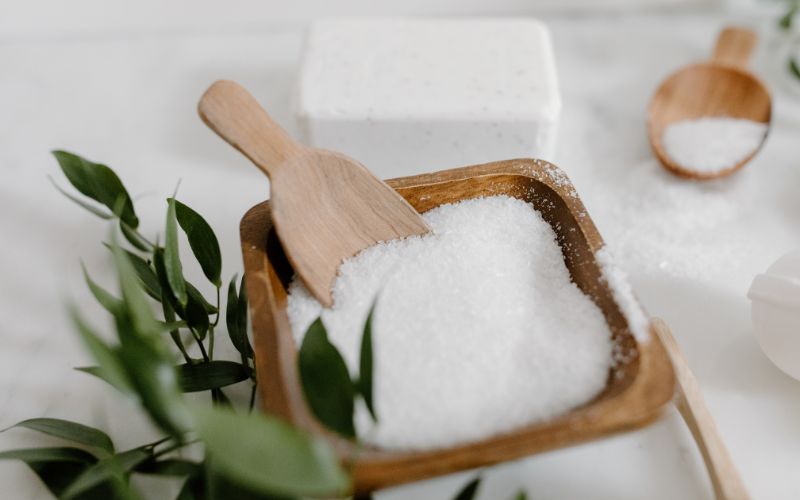
What Does Soaking In Epsom Salt Do For Women?
Epsom Salt Baths: A Deeper Dive into Mid-Age Wellness
Enhanced Bone Health Through Magnesium Absorption
Scientific Insight: The body’s ability to retain magnesium decreases with age, a concern for women approaching or undergoing menopause. Adequate magnesium intake is crucial for the activation of vitamin D, which is essential for calcium absorption, directly impacting bone density and overall skeletal health. Transdermal absorption of magnesium from Epsom salt baths can supplement dietary intake, potentially contributing to improved bone health and mitigating the risk of osteoporosis, a common concern for mid-aged women.
Sleep Quality and Hormonal Balance
Hormonal Impacts on Sleep: Fluctuations in estrogen and progesterone during perimenopause and menopause can significantly disrupt sleep patterns. Magnesium’s role in supporting the production of melatonin, the sleep hormone, becomes even more critical. An Epsom salt bath can serve not just as a relaxation ritual but as a physiological aid to enhance the deep sleep phase, improving overall sleep quality.
Stress Reduction and Mental Wellness
Cortisol Regulation: Mid-life stress can elevate cortisol levels, exacerbating feelings of anxiety and leading to long-term health issues. Magnesium inhibits the release of stress hormones and acts at the blood-brain barrier to prevent them from entering the brain. By reducing stress at the chemical level, Epsom salt baths can help stabilize mood and support mental health.
Alleviating Muscle and Joint Discomfort
In-depth Relief: The anti-inflammatory and analgesic effects of magnesium can deeply penetrate muscle and joint tissues, offering relief from chronic conditions such as fibromyalgia, which may become more pronounced during mid-age. This soothing effect can enhance mobility and quality of life, encouraging more active and healthy lifestyle choices.
Skin Health: Beyond Surface-Level Benefits
Cellular Level Hydration and Detoxification: The sulfates in Epsom salt not only help draw out toxins but also play a role in the formation of brain tissue, joint proteins, and the mucin proteins that line the walls of the digestive tract. This process supports skin health from within, promoting cellular regeneration and reducing the visibility of aging signs like fine lines and wrinkles.
Supporting Detoxification and Reducing Inflammation
Complementary to Natural Detox Pathways: While the body’s organs are adept at managing detoxification, Epsom salt baths can complement these natural processes, especially in aiding the skin’s role as a detox organ. Enhanced sweating and the anti-inflammatory properties of magnesium can support the body’s efforts to maintain homeostasis, potentially aiding in the reduction of systemic inflammation linked to chronic diseases.
Practical Application and Customization
Customizing Your Bath: To enhance the relaxing effects, consider adding essential oils like lavender or chamomile to your Epsom salt bath. These can offer additional aromatherapy benefits, including improved sleep and reduced anxiety.
Temperature Matters: The ideal water temperature for an Epsom salt bath is between 92°F to 100°F (33°C to 37°C). This range is warm enough to facilitate magnesium absorption without overburdening the heart with excessive heat.
How to Prepare an Epsom Salt Foot Soak
Ingredients: Mix 1/2 to 1 cup of Epsom salt in a basin of warm water, enough to fully submerge both feet.
Duration and Frequency: Soak your feet for 20 to 30 minutes. For general wellness and relaxation, 2-3 times a week is beneficial. For acute issues like soreness or swelling, a daily soak until symptoms improve can be helpful.
Enhancements: Consider adding a few drops of essential oils such as lavender, peppermint, or eucalyptus to enhance the therapeutic experience with additional aromatherapy benefits.
Precautions
Skin Sensitivity: Individuals with sensitive skin should start with a lower concentration of Epsom salt and gradually increase it to ensure no adverse reactions occur.
Underlying Health Conditions: Those with diabetes or poor circulation should consult with a healthcare provider before starting regular foot soaks, as they may be more prone to foot health issues.
Incorporating Epsom salt foot soaks into a self-care routine can offer targeted benefits that promote foot health, alleviate discomfort, and enhance overall relaxation. This practice can be a simple, yet effective way to address the specific needs of mid-aged women, contributing to their physical and emotional well-being.
Advanced Precautions
Understanding Limits: While the benefits of Epsom salt baths are manifold, it’s crucial to recognize limits, especially for individuals with heart conditions, high blood pressure, or diabetes. The increase in body temperature and the body’s physiological response to magnesium absorption can vary, necessitating a tailored approach to frequency and duration of baths.
In conclusion, Epsom salt baths offer a multifaceted approach to wellness for mid-aged women, addressing physical, emotional, and aesthetic needs with a simple, yet profoundly effective, method. Embracing this practice can significantly contribute to a holistic health regimen, promoting a balanced and vibrant mid-life experience.
 Unlock Your Path to Vibrant Health: A Holistic Guide for Health and Longevity