
Why “eating less and exercising more” fails after 40
“You’ve tried every eating less and every diet. You’ve doubled your cardio. The weight won’t budge, or it comes right back. The problem was never your willpower. It was your hormones.”

You’ve been told the same thing your entire adult life: eating less, move more, and the weight will come off. It’s simple math. Calories in, calories out.
And it worked when you were 25. Your hormones were balanced. Your metabolism cooperated. Your body could handle the stress of restriction.
After 40? That advice doesn’t just stop working. It actively makes things worse. And the fact that nobody explains why is one of the biggest failures in mainstream health guidance.
I’m Irina Plakas, a registered pharmacist and certified health coach in Dripping Springs, TX. After 25+ years of clinical experience and working with hundreds of clients over 40, I can tell you: the “eating less, exercise more” model is broken for your body right now. This is what’s actually happening, and what to do instead.
What happens when you restrict calories after 40
Your metabolism fights back
When you drop to 1,200 or 1,400 calories, your body doesn’t celebrate the calorie deficit. It panics. It thinks you’re starving.
Your metabolic rate drops, sometimes dramatically. This is called metabolic adaptation, and it’s your body’s survival mechanism. You burn fewer calories at rest, your body temperature drops slightly, and your energy expenditure during daily activities decreases. Your body gets very good at conserving energy from less food.
The result: the same 1,200-calorie diet that helped you lose 20 pounds at 30 now barely maintains your weight at 45.
You lose muscle, not just fat
Calorie restriction without adequate protein and strength training causes your body to break down muscle for energy. After 40, you’re already losing muscle mass at roughly 1% per year (a process called sarcopenia). Add aggressive dieting on top of that, and you’re accelerating the loss.
Muscle is your metabolic engine. Each pound of muscle burns calories around the clock, whether you’re sleeping, sitting at your desk, or doing nothing at all. Lose muscle and your resting metabolic rate drops permanently. When you eventually stop dieting (and everyone does), you regain weight faster because your engine is smaller.
This is why yo-yo dieting gets worse with each cycle. You lose muscle on the way down and gain fat on the way back up. Your body composition deteriorates even if the scale returns to the same number.
Your hormones rebel
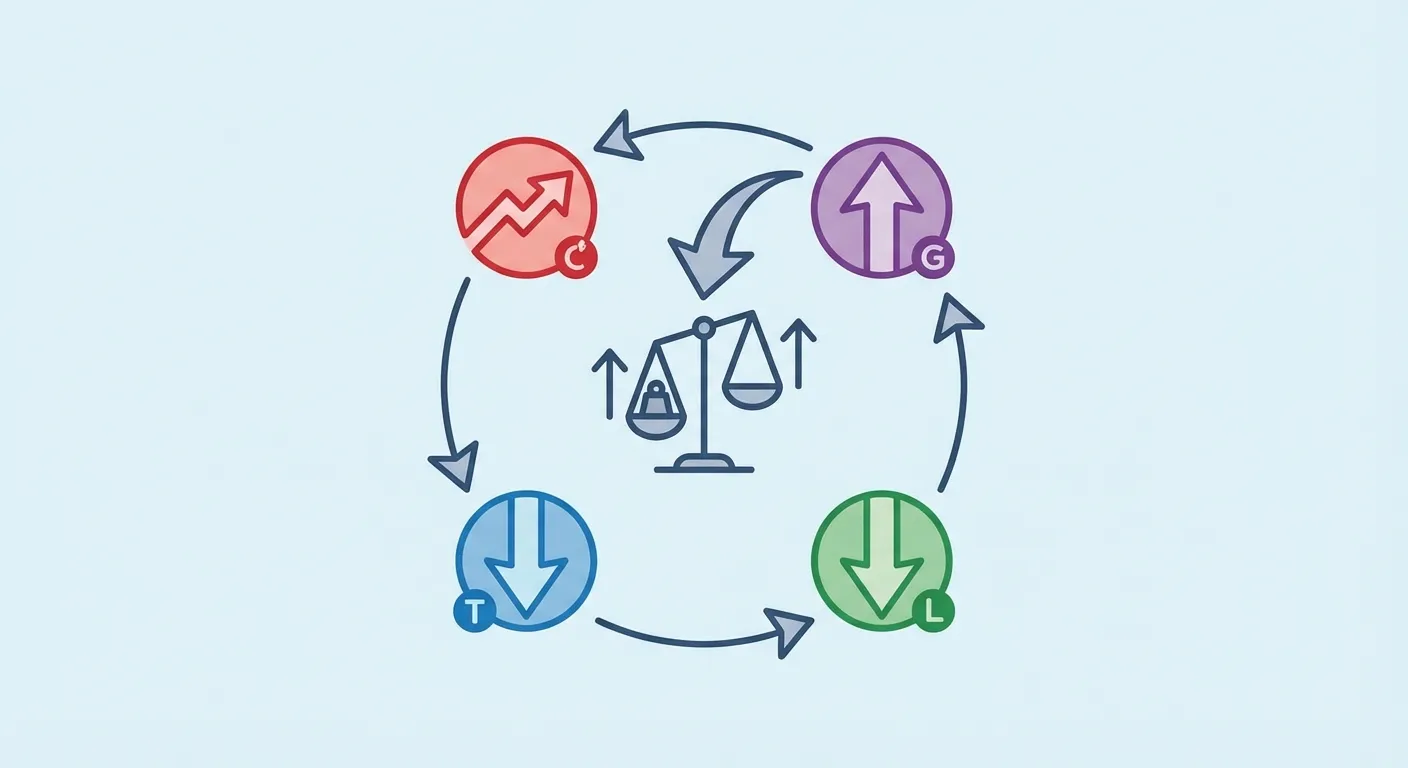
Calorie restriction after 40 sets off a chain of hormonal responses that work against everything you’re trying to do:
- Cortisol spikes. Your body is already dealing with higher cortisol from perimenopause and life stress. The added stress of food restriction pushes cortisol higher, signaling your body to store belly fat
- Thyroid function slows. Your body conserves energy by producing less active thyroid hormone (T3). Metabolism drops further
- Leptin plummets. Leptin tells your brain you’re satisfied. When it drops, you feel constantly hungry and never full
- Ghrelin surges. The “hunger hormone” increases aggressively. You’re not weak-willed, your biology is screaming at you NOT eating less
You’re hungry, tired, losing muscle, storing fat around your middle, and burning fewer calories than before you started the diet. But sure, just try harder.
Why more exercise makes it worse (not better)
Intense cardio raises cortisol
That 60-minute spin class or daily 5-mile run? It’s raising cortisol. For a well-rested 25-year-old with balanced hormones, the cortisol spike from exercise is brief and beneficial. For a stressed, sleep-deprived 45-year-old in perimenopause, that cortisol spike stacks on top of already-elevated levels and makes insulin resistance worse.
You’re exercising harder and gaining weight. That’s not a paradox. It’s physiology.
Overtraining is real after 40
Your body doesn’t recover like it did. The inflammation from intense daily exercise without adequate recovery time becomes chronic. Chronic inflammation drives insulin resistance, which drives fat storage.
Exercise increases appetite more than it burns
Here’s the math nobody likes. A hard 45-minute workout burns 300-500 calories. The increased appetite afterward drives many people to eat 500-800 calories more than usual. Net result: you’ve stressed your body, raised cortisol, and eaten more than you burned.
Exercise matters for health. But more exercise is not the answer to a hormonal problem.
A hormone-first approach
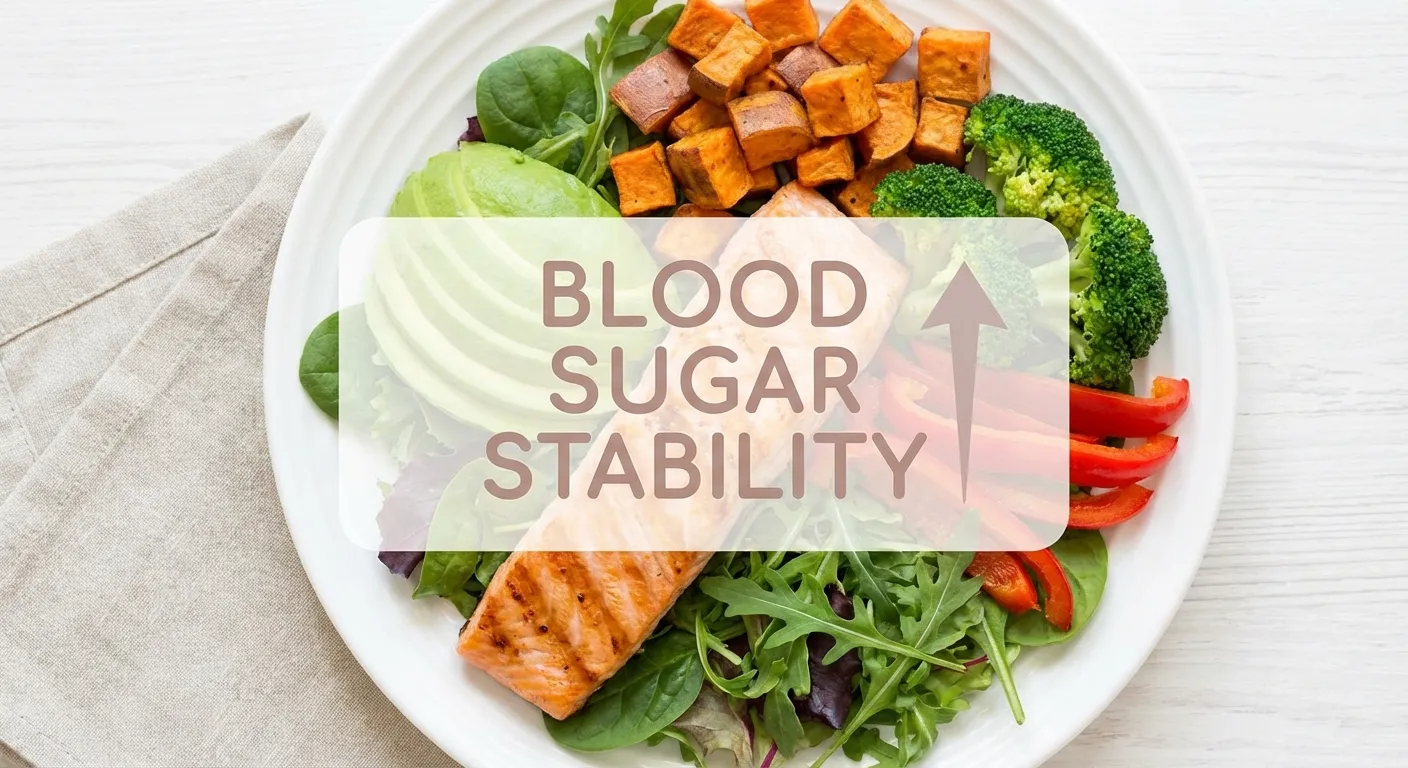
1. Balance blood sugar before counting calories
Forget the calorie number. Focus on stabilizing blood sugar.
- Get 25-30 grams of protein at every meal. This preserves muscle, stabilizes blood sugar, and keeps you full
- Include healthy fats (avocado, olive oil, nuts, fatty fish) with every meal. Fat slows glucose absorption
- Eat more fiber from vegetables, legumes, and berries. Fiber feeds your gut microbiome and blunts blood sugar spikes
- Stop grazing. Three meals, minimal snacking. Give insulin time to drop between meals
2. Address cortisol (for real)
- Sleep 7-8 hours. This isn’t optional. Sleep deprivation alone can cause insulin resistance and weight gain. Prioritize it above exercise
- Moderate your intensity. Walking, strength training, yoga. Limit high-intensity work to 2-3 times per week, with recovery days between
- Manage stress actively, whatever that looks like for you. Meditation, therapy, boundaries, saying no
3. Build muscle (this is non-negotiable)
Strength training 2-4 times per week is the single most important exercise intervention after 40. Not for aesthetics, but because it’s the best tool you have against the slow-down that calorie restriction accelerated.
4. Review your medications
As a registered pharmacist, this is where I see the biggest “aha” moments. Many common prescriptions (antidepressants, beta blockers, sleep medications, antihistamines) directly promote weight gain or block fat loss. You could have the perfect nutrition plan and still not lose weight because your medication is working against you.
What actually works instead
Stop fighting your body. Start understanding it.
The answer isn’t eating less. It’s eating right for where your body is now. And it isn’t exercising more. It’s exercising smarter for your current hormonal reality.
When you address the root causes (insulin resistance, cortisol overload, thyroid dysfunction, muscle loss), weight loss follows. You don’t have to starve yourself or punish your way through another diet cycle.
Ready to stop the cycle? Schedule a free 30-minute clarity call. I’ll look at your complete picture: hormones, medications, nutrition, and exercise. We’ll figure out why nothing has worked so far, and what will.
– Irina Plakas, RPh
Certified Health Coach | Dripping Springs, TX
FAQ
If calorie counting doesn’t work after 40, what should I track instead?
Focus on blood sugar stability, protein intake (aim for 100+ grams daily), and how you feel. Track your energy, sleep quality, hunger levels, and mood. These are better indicators of metabolic health than a calorie number. Many of my clients lose weight consistently without ever counting a single calorie.
How much protein do I really need after 40?
Research suggests 1.0-1.2 grams per kilogram of body weight as a minimum for adults over 40, significantly more than the standard recommendation. For a 150-pound woman, that’s 68-82 grams daily. Most women I work with are eating less than half that amount.
Is all exercise bad after 40?
Not at all. Exercise matters, but the type and intensity matter more than the amount. Strength training is the priority. Walking is underrated. Moderate cardio is fine. The problem is excessive high-intensity training without recovery, which raises cortisol in an already-stressed body.
Why does my doctor still recommend eating less and exercising more?
Medical school curriculum hasn’t caught up with the research on metabolic adaptation, hormonal influence on weight, and the limitations of the calorie model for middle-aged adults. Most doctors have less than 25 hours of nutrition training in their entire medical education. It’s not malice, just a gap in training.
Can I reverse the metabolic damage from years of yo-yo dieting?
Yes. It takes time. Typically 3-6 months of consistent, hormone-supportive nutrition and strength training to rebuild metabolic rate. Your body can recover when given the right inputs. I’ve seen women who’ve been dieting for 20 years restore their metabolism and lose weight eating more food than they ever have.
You may also enjoy reading: Perimenopause weight gain: why your metabolism actually changes (and what works).
 Unlock Your Path to Vibrant Health: A Holistic Guide for Health and Longevity