
Can You Heal Your Gut With Just Probiotics?
Can You Heal Your Gut Solely With Probiotics?
As we age, especially after 40, our digestive system undergoes significant changes. This article delves into the role of probiotics in gut health and examines whether they alone are sufficient for maintaining and enhancing digestive wellness. We will also explore other vital factors, such as diet and lifestyle, that play a crucial role in gut health.
Understanding Digestive Health After 40 – Key Changes in the Digestive System
Decreased Metabolic Rate:
The slowing down of the body’s metabolic rate as we age is a natural process that can significantly impact how food is digested and nutrients are absorbed. Here’s a look at how this happens:
1. Understanding Metabolic Rate: The metabolic rate is the rate at which your body expends energy or burns calories. It encompasses all the processes your body undergoes to convert food into energy, maintain bodily functions, and facilitate physical activity.
2. Age-Related Changes in Metabolism: As we age, particularly after the age of 40, our metabolic rate tends to slow down. This change is partly due to a decrease in muscle mass and an increase in fat mass. Muscle tissue is metabolically more active than fat tissue, meaning it burns more calories at rest. Therefore, as muscle mass decreases with age, fewer calories are burned, slowing the overall metabolic rate.
3. Impact on Digestion and Nutrient Absorption:
Digestive Efficiency: A slower metabolism means the body may take longer to digest food. The digestive system’s efficiency in breaking down food into its component nutrients can also decline. This slower process can affect how quickly and effectively nutrients are absorbed into the bloodstream.
Nutrient Absorption: The age-related decrease in stomach acid production can further impact nutrient absorption. Stomach acid plays a crucial role in digesting food, particularly in breaking down proteins and aiding in the absorption of various nutrients like vitamin B12, iron, and calcium. With less stomach acid, these nutrients may not be as readily absorbed, leading to potential deficiencies.
Energy Levels: Since metabolism governs energy production, a slower metabolic rate can lead to decreased energy levels. This reduction in energy might affect physical activity levels, creating a cycle where less activity further contributes to a decrease in muscle mass and a slower metabolism.
4. Compensating for a Slower Metabolism:
Diet Adjustments: It becomes important to adjust dietary intake to match the body’s changing needs. This might mean consuming fewer calories but focusing more on nutrient-dense foods to ensure adequate nutrient intake.
Regular Exercise: Engaging in regular exercise, especially strength training, can help maintain or increase muscle mass, thereby supporting a healthier metabolic rate.
Digestive Aids: In some cases, individuals may benefit from digestive aids like enzyme supplements or probiotics to support digestive health and nutrient absorption.
5. The Bigger Picture: It’s important to understand that while metabolism does slow with age, it’s not the sole factor in digestive health. Lifestyle choices, overall diet, physical activity levels, and genetics also play significant roles.
Altered Gut Microbiota
The shift in the balance of gut bacteria, or gut microbiota, is a significant aspect of aging that can have far-reaching effects on health, including digestion and immune function. Let’s delve into this topic:
1. The Gut Microbiota:
The human gut is home to trillions of microorganisms, including bacteria, viruses, fungi, and other microbes. This collective is known as the gut microbiota. These microorganisms play crucial roles in digestion, nutrient absorption, and immune system function.
2. Changes in Gut Microbiota with Age:
As we age, the diversity and composition of the gut microbiota tend to change. This shift can be influenced by various factors such as diet, lifestyle, medication use (especially antibiotics or steroids like prednisone), and overall health.
Older adults often exhibit a reduction in the diversity of gut bacteria. A diverse microbiota is generally considered beneficial for health as it enhances the gut’s resilience against disturbances and supports a wider range of metabolic activities.
3. Impact on Digestion and Nutrient Absorption:
The altered microbiota can affect the body’s ability to digest certain foods and absorb nutrients. For example, certain beneficial bacteria help in the breakdown and fermentation of dietary fibers, producing short-chain fatty acids (SCFAs) that are vital for gut health.
A decrease in these beneficial bacteria can lead to less efficient fiber breakdown, potentially resulting in digestive issues like constipation or irregular bowel movements.
4. Effect on Immune Function:
A significant portion of the body’s immune system is located in the gut. The gut microbiota interacts with and supports the immune system, helping to protect against pathogens and maintain immune balance.
Changes in the gut microbiota composition can disrupt this immune function. For instance, a decrease in beneficial bacteria can weaken the gut barrier, leading to increased gut permeability (often referred to as “leaky gut”), which can trigger inflammation and potentially contribute to various chronic diseases.
5. The Role of Probiotics and Diet:
To counteract the age-related changes in gut microbiota, the intake of probiotics (either through diet or supplements) can be beneficial. Probiotics can help in maintaining or restoring a healthy balance of gut bacteria.
Effective Strains and Forms:
Lactobacillus Acidophilus: This is one of the most commonly known probiotics, recognized for its benefits in general gut health. It helps maintain the integrity of the intestinal wall, aids in nutrient absorption, and can alleviate diarrhea and lactose intolerance symptoms.
Bifidobacterium Longum: Known for its anti-inflammatory properties, it can help reduce gastrointestinal inflammation and is beneficial for individuals with Irritable Bowel Syndrome (IBS). It also assists in breaking down carbohydrates and can combat harmful bacteria.
Other Beneficial Strains: For Digestive Issues like IBS:
Lactobacillus plantarum and Bifidobacterium infantis are known to help manage symptoms.
For Diarrhea: Lactobacillus rhamnosus GG (LGG) and Saccharomyces boulardii are effective, particularly for antibiotic-associated diarrhea.
For Constipation: Bifidobacterium lactis can help improve bowel regularity.
Probiotic-Rich Foods:
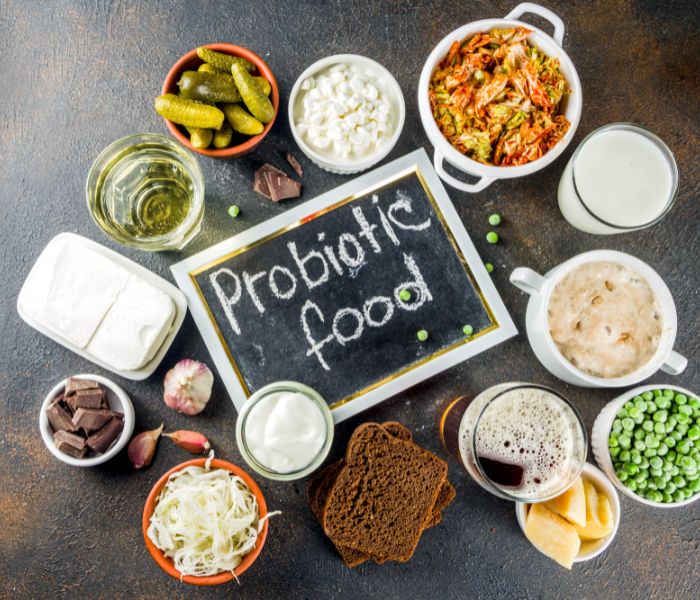
Yogurt: Contains live cultures such as Lactobacillus and Bifidobacterium. Can be eaten at breakfast, as a snack, or used in smoothies.
Kefir: A fermented milk drink similar to yogurt but with a thinner consistency. Great as a drink or blended into smoothies.
Sauerkraut: Fermented cabbage rich in Lactobacillus. Can be used as a side dish or a topping on sandwiches and salads.
Kimchi: A spicy Korean side dish made from fermented vegetables. Can be added to rice dishes, soups, or enjoyed on its own.
6. Individual Variability:
It’s important to note that the extent and nature of microbiota changes with age can vary greatly from person to person, influenced by individual lifestyle, dietary habits, genetics, and environmental factors.
L-Glutamine to protect the lining of your gut wall
L-Glutamine, an amino acid, plays a significant role in maintaining the health and integrity of the gut wall.
1. Role of L-Glutamine in Gut Health: L-Glutamine is the most abundant amino acid in the bloodstream and is considered conditionally essential, meaning the body can usually produce it in sufficient amounts. However, during times of stress or illness, the body’s requirement for L-Glutamine may exceed its ability to produce it, making dietary supplementation necessary.
It serves as a primary fuel source for the cells lining the intestines, known as enterocytes. These cells play a crucial role in nutrient absorption and form a barrier between the gut and the rest of the body.
2. Protecting the Gut Lining: L-Glutamine helps maintain the integrity of the intestinal barrier. This barrier function is vital for preventing the leakage of potentially harmful substances from the gut into the bloodstream, a condition often referred to as “leaky gut” or increased intestinal permeability.
By fueling the enterocytes, L-Glutamine supports the regeneration and repair of the gut lining, which can be damaged by various factors such as stress, infection, poor diet, or certain medications.
3. Anti-inflammatory Properties: L-Glutamine has been shown to have anti-inflammatory properties. Inflammation can damage the gut lining, so by reducing inflammation, L-Glutamine helps protect the integrity of the gut wall.
4. Use in Medical Conditions: L-Glutamine is often used in clinical settings for patients with conditions that stress the gut lining, such as chemotherapy or inflammatory bowel diseases like Crohn’s disease and ulcerative colitis. It has been found to promote healing and reduce complications in these conditions.
5. Supplementing with L-Glutamine: L-Glutamine is available as a dietary supplement and can also be found in high-protein foods such as meat, fish, eggs, and dairy products.
Supplementation with L-Glutamine is generally considered safe for most people, but it’s always best to consult with a healthcare provider before starting any new supplement, especially for individuals with liver disease, kidney disease, or cancer, as it may interact with certain medical conditions.
Reduced Stomach Acid Production
The reduction in stomach acid production as we age can have significant implications for our digestive health and nutrient absorption. Let’s explore this in detail:
1. Role of Stomach Acid in Digestion: Stomach acid, primarily hydrochloric acid (HCl), is crucial for the initial breakdown of food particles in the stomach. It helps in digesting proteins by activating digestive enzymes like pepsin.
It also plays a role in sterilizing the stomach contents, reducing the risk of infections and overgrowth of harmful bacteria.
2. Age-Related Decrease in Stomach Acid: With aging, many people experience a condition known as hypochlorhydria, which is a reduction in stomach acid production. This can be due to various factors, including changes in the stomach lining, use of certain medications (like proton pump inhibitors or antacids), and natural decline in digestive function.
3. Impact on Protein Digestion: Reduced stomach acid can lead to less efficient protein digestion. Proteins that are not adequately broken down can cause digestive discomfort, such as bloating and gas, and may lead to decreased absorption of protein and its constituent amino acids.
4. Nutrient Absorption Challenges:
Vitamin B12: One of the critical roles of stomach acid is to facilitate the absorption of vitamin B12. Acid helps release vitamin B12 from food and combine it with a protein called intrinsic factor, which is necessary for its absorption in the small intestine. Reduced stomach acid can lead to poor vitamin B12 absorption, increasing the risk of deficiency, which can cause anemia and neurological issues.
Calcium: Stomach acid helps solubilize calcium, making it more bioavailable for absorption. A decrease in acid production can lead to reduced calcium absorption, potentially increasing the risk of osteoporosis, especially in postmenopausal women.
Iron: Similarly, stomach acid is necessary for converting dietary iron to a form that is more readily absorbed in the intestine. A lack of adequate stomach acid can impair iron absorption, leading to iron-deficiency anemia.
5. Managing Decreased Stomach Acid:
Dietary Adjustments: Consuming easily digestible foods and cooking methods that break down food fibers can help. Also, including vitamin C-rich foods can aid in iron absorption.
Supplementation: In some cases, doctors may recommend supplements, such as vitamin B12 injections or oral supplements, calcium, and iron supplements.
Medical Intervention: For those significantly affected, medical professionals might suggest ways to manage or treat the underlying causes of reduced stomach acid.
6. Importance of Medical Evaluation:
It’s essential for individuals experiencing symptoms of low stomach acid, such as indigestion, nutrient deficiencies, or gastrointestinal discomfort, to seek medical evaluation. This is to ensure proper diagnosis and to rule out other conditions that may mimic or contribute to these symptoms.
Common Digestive Issues After 40
Constipation: A common problem due to decreased gut motility and changes in diet and lifestyle. Suggestions for alleviating constipation include increasing fiber intake, staying hydrated, and engaging in regular physical activity.
Bloating and Gas: Changes in digestion can lead to increased bloating and gas, and dietary adjustments can help manage these symptoms.
Acid Reflux and Heartburn: Understanding Acid Reflux and Heartburn
Acid reflux occurs when stomach acid flows back up into the esophagus, causing discomfort and a burning sensation known as heartburn.
Heartburn is a common symptom of acid reflux but can also occur on its own. It’s characterized by a burning feeling in the chest, just behind the breastbone.
Prevalence: Acid reflux and heartburn are widespread, affecting a significant portion of the adult population. Their prevalence has been increasing, partly due to lifestyle factors and dietary habits.
Chronic acid reflux can lead to a condition called gastroesophageal reflux disease (GERD), which requires medical attention.
Lifestyle Modifications for Management:
Dietary Changes:
Eating Patterns: Adopting a pattern of eating smaller, more frequent meals instead of large, heavy meals can help reduce the workload on the stomach and prevent overfilling, thereby reducing the likelihood of acid reflux.
Avoiding Trigger Foods: Certain foods and beverages can trigger acid reflux and heartburn. Common triggers include spicy foods, fatty or fried foods, chocolate, caffeine, alcohol, and acidic foods like tomatoes and citrus fruits.
Balanced Diet: Incorporating a balanced diet with plenty of fiber, fruits, vegetables and proteins can improve overall digestion and reduce symptoms.
Behavioral Modifications:
Upright Posture After Eating: Avoid lying down immediately after meals. Remaining upright for at least two to three hours after eating can help prevent stomach acid from flowing back into the esophagus.
Elevating the Head While Sleeping: For those experiencing nighttime reflux, elevating the head of the bed can help. Using a wedge pillow or placing blocks under the bedposts at the head of the bed can keep acid from flowing back into the esophagus during sleep.
Weight Management: Excess weight, especially around the abdomen, can increase the pressure on the stomach, leading to acid reflux. Losing weight, if overweight, can significantly reduce the frequency and severity of symptoms.
Avoiding Smoking and Limiting Alcohol: Smoking can weaken the lower esophageal sphincter (LES), the muscle that prevents stomach acid from rising up the esophagus, and should be avoided. Limiting alcohol intake can also reduce the risk of acid reflux, as alcohol can irritate the stomach lining and relax the LES.
Stress Reduction: Stress doesn’t directly cause acid reflux but can exacerbate symptoms. Engaging in stress-reduction techniques like deep breathing, meditation, or light exercise can be beneficial.
Clothing Considerations: Wearing loose-fitting clothes, especially around the abdomen, can reduce pressure on the stomach area and help prevent acid reflux.
The Gut-Brain Axis: The gut-brain axis is a complex communication network that links the central nervous system (the brain and spinal cord) with the enteric nervous system (the nervous system of the gut). This bidirectional communication pathway means that stress can directly impact gut function and vice versa.
Impact of Stress on Digestion: When stressed, the body goes into a “fight or flight” mode, triggering the release of stress hormones like cortisol and adrenaline.
This response can lead to various digestive symptoms, such as:
Slowed or disrupted digestive processes, leading to bloating, discomfort, or constipation.
Increased acid production in the stomach, potentially exacerbating heartburn or acid reflux.
Changes in gut motility, which can lead to symptoms of irritable bowel syndrome (IBS) like diarrhea or constipation.
Altered gut microbiota, potentially impacting overall digestive health.
Stress Management Techniques
Meditation: Regular meditation practice can help reduce stress by promoting relaxation, improving mood, and decreasing anxiety. Mindfulness meditation, in particular, encourages a focus on the present moment, helping to break the cycle of stress-related thoughts.
Yoga: Yoga combines physical postures, breathing exercises, and meditation to reduce stress and promote physical and mental well-being. Certain yoga poses can specifically aid in digestion by stimulating the abdominal organs and improving gut motility.
Other Relaxation Techniques: Techniques such as deep breathing exercises, progressive muscle relaxation, or guided imagery can also be effective in managing stress. These practices help calm the mind and reduce the physical symptoms of stress in the body.
Benefits of Reducing Stress for Digestive Health: Managing stress effectively can lead to improved digestive health. By reducing the body’s stress response, you can alleviate many of the digestive symptoms linked to stress.
Additionally, lower stress levels can positively impact the gut microbiota, contributing to a healthier gut environment.
Incorporating Stress Management into Daily Life: It’s beneficial to incorporate stress management practices into your daily routine. Even short periods of meditation or deep breathing exercises can be helpful.
Regular physical activity, maintaining social connections, and ensuring adequate sleep are also important for managing stress.
Preventive Measures and Check-ups: Regular health check-ups, including colonoscopies and other screenings recommended for individuals over 40.
Staying hydrated, eating a balanced diet, and engaging in regular physical activity to maintain optimal digestive health.
Rethinking Probiotic Supplements: A Personalized Approach
Wondering if you should add a probiotic supplement to your health regimen? The answer isn’t straightforward and varies from person to person.
While readily available in most stores, probiotic supplements can be a significant investment and are subject to limited regulation. This lack of oversight means that the quality and effectiveness of these supplements can vary widely.
Before opting for a probiotic supplement, it’s essential to do thorough research and consult with a healthcare professional. Choosing a generic probiotic off the shelf of your local drugstore without proper guidance might not yield the desired benefits.
Probiotics have become a booming industry, with the global market nearing $80 billion annually, extending even to pet care. However, for those considering an animal-based diet or similar lifestyle changes, probiotics might be an unnecessary expense.
An alternative to supplements is the inclusion of fermented foods in your diet. Foods like sauerkraut, kefir, pickles, and high-quality kombucha have been part of human diets for millennia and offer natural benefits to the gut microbiome.
Moreover, lifestyle factors play a crucial role in gut health. Regular sunlight exposure, quality sleep, effective stress management, and consistent exercise are all key elements that can positively influence your digestive system.
In essence, while probiotic supplements can be beneficial for some, they are not a one-size-fits-all solution. Balancing diet, lifestyle, and expert advice is crucial for optimal gut health.
 Unlock Your Path to Vibrant Health: A Holistic Guide for Health and Longevity