
7 reasons you need to get off Ozempic NOW
“I watched my patients lose weight on Ozempic. Then I watched them lose their health. As a pharmacist with 25 years of experience, I’m begging you to read this before your next dose.”
You started Ozempic because nothing else was working. The weight was finally coming off. Your doctor said it was safe. And for a while, it felt like the answer.
But nobody told you this at that first appointment, and I’ve seen it play out hundreds of times in my 25+ years as a registered pharmacist in Dripping Springs, TX.
1. Thyroid cancer risk (the FDA’s own warning)
Ozempic carries a boxed warning for thyroid C-cell tumors. That’s the FDA’s most serious caution, the black box on the label that most patients never read.
The problem? They found this risk in animal studies and still don’t know the actual risk to humans because the drug hasn’t been on the market long enough. You’re essentially participating in an ongoing experiment.
If you have any family history of medullary thyroid carcinoma (MTC) or multiple endocrine neoplasia syndrome type 2 (MEN 2), you should not be on this drug. Period.
Source: FDA Ozempic Label — Boxed Warning
2. Your thyroid function takes a hit
GLP-1 agonists like Ozempic suppress thyroid function. When you eventually go off the drug, your metabolism may be worse than before you started.
Your thyroid regulates your energy, weight, mood, hair, and body temperature. As a pharmacist, I’ve seen patients come off Ozempic with thyroid markers that were significantly worse than their baseline. Nobody warned them about that.
3. Gastroparesis: your stomach literally stops moving
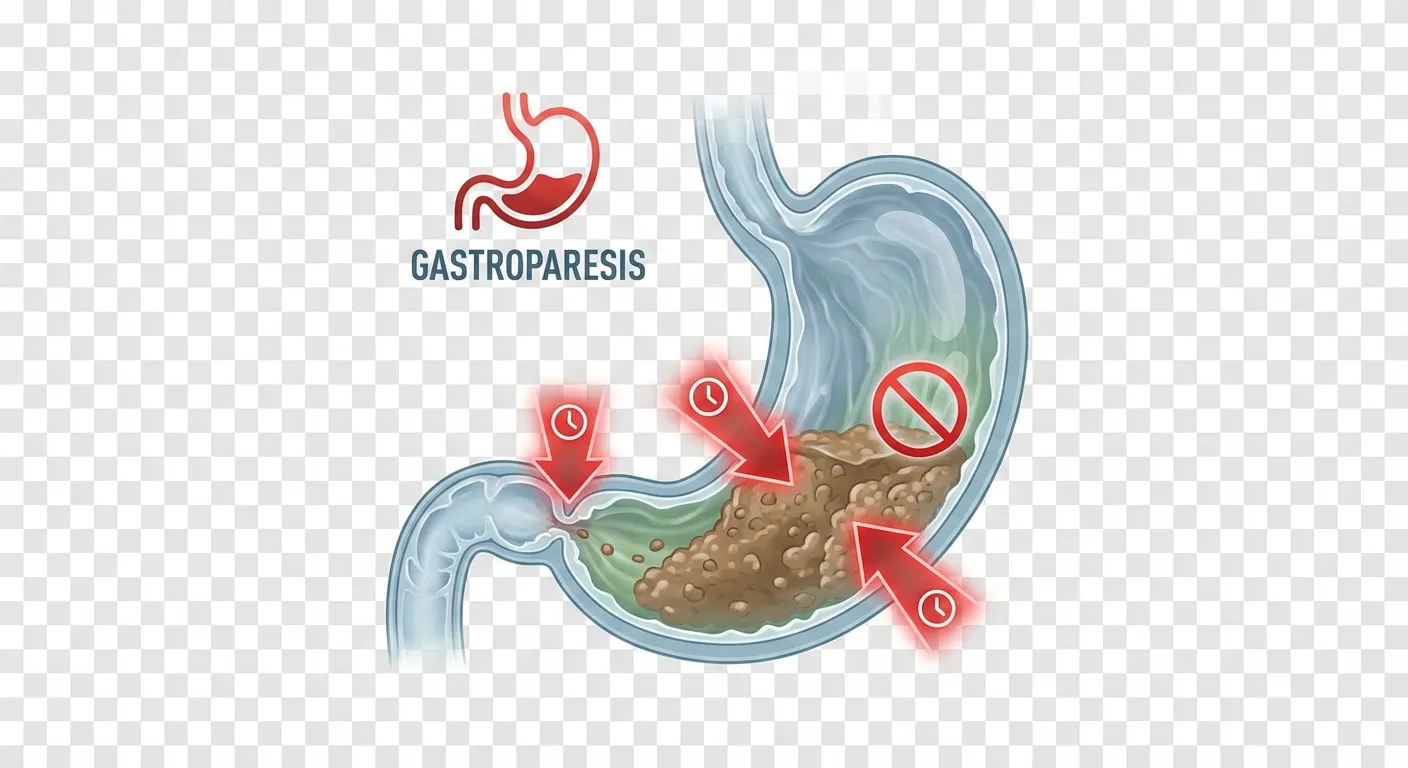
In 2024, the FDA updated Ozempic’s label to include warnings for gastroparesis (stomach paralysis) and ileus (bowel obstruction). In 2025, they added another warning for intestinal obstruction.
This isn’t rare. GI side effects hit 32-36% of users, over a third. People are ending up in the ER with stomachs that won’t empty. Some cases don’t resolve after stopping the medication.
Source: FDA Label Updates — Intestinal Obstruction Warning
4. Muscle loss: up to 40% of what you lose isn’t fat
This is the one that should terrify you. Studies show that up to 40% of weight lost on GLP-1 drugs is lean muscle mass, not fat.
That muscle is your metabolism, your strength, your bone density. It’s what keeps you independent as you age.
Losing muscle makes it much harder to keep weight off long-term. You lose 30 pounds on Ozempic, but 12 of those pounds are muscle. When you regain the weight (and most people do — see #5), it comes back as fat. Your body composition is now worse than when you started.
5. The moment you stop, it all comes back
The appetite suppression is temporary. The moment you stop Ozempic, your hunger returns. Often stronger than before, because your metabolism is now lower from muscle loss.
Studies show most patients regain the majority of lost weight within 12 months of stopping. Which means you’re on it forever, or you gain it all back. And then some.
At what point does that stop being a solution and start being a trap?
6. The cost will bankrupt you
Ozempic costs $1,000+ per month without insurance. Insurance companies are rapidly cutting coverage for weight-loss prescriptions. Even with coverage, copays and prior authorizations create constant uncertainty.
You’re dependent on a drug you may not be able to afford, and can’t afford to stop taking. That’s not health. That’s a subscription to a pharmaceutical company.
7. NAION: sudden, irreversible vision loss
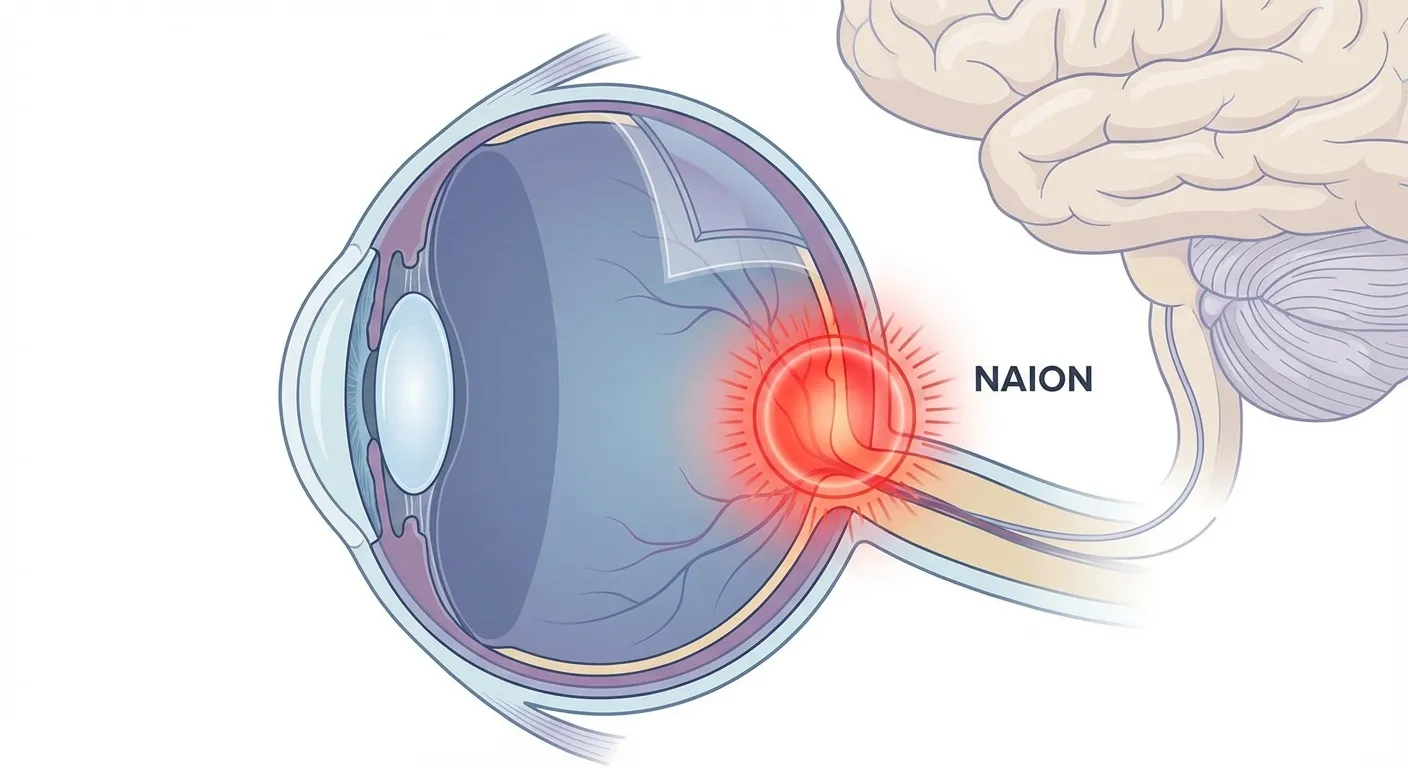
A 2025 study published in JAMA Ophthalmology linked semaglutide to NAION (non-arteritic anterior ischemic optic neuropathy). That’s sudden, permanent vision loss in one or both eyes.
This is rare, but it’s real. And it’s irreversible. Further research is ongoing, but the association is strong enough that ophthalmologists are now asking patients about GLP-1 use.
Source: JAMA Ophthalmology 2025 — Semaglutide and NAION Risk
What I want you to know
Ozempic isn’t evil. It has legitimate medical uses for type 2 diabetes, and for some patients, the benefits outweigh these risks.
But using it purely for weight loss without addressing the root cause of why you gained weight is putting a Band-Aid on a bullet wound. You’re suppressing symptoms while the underlying problems (insulin resistance, hormone imbalance, stress, medication side effects) go unchecked.
What actually works without a needle
You don’t need Ozempic. You need to understand how your body actually works.
When you balance insulin and address your hormone levels, then eat in a way that matches YOUR biology, the weight comes off. Without a $1,000/month injection.
As a registered pharmacist and certified health coach, I’ve helped women across Dripping Springs and greater Austin do exactly this. No drugs, no starvation. Real food, real science, and a plan that fits your actual life.
Ready to try a different approach? Schedule a free 30-minute call. No pressure. Just honest answers about what’s really going on with your body.
– Irina Plakas, RPh
Certified Health Coach | Dripping Springs, TX
FAQ
Is it safe to stop Ozempic cold turkey?
You should never stop any medication without consulting your prescribing doctor. Stopping GLP-1 drugs suddenly can cause rebound hunger and rapid weight regain. A gradual taper with a plan for metabolic support is the safer approach.
Can you lose weight without Ozempic after 40?
Yes. The real question is what’s actually causing the weight gain: hormone imbalances, insulin resistance, medication side effects, metabolic slowdown. When you fix the root cause, weight loss happens without pharmaceutical appetite suppression.
How much does Ozempic cost per month?
Without insurance, Ozempic runs $1,000-$1,400 per month. With insurance, copays vary widely. Many insurers are restricting or eliminating weight-loss coverage for GLP-1 drugs.
What are the long-term side effects of Ozempic?
Beyond the risks above, long-term effects are still being studied. The drug has only been widely used for weight loss since 2021-2022, so we’re still learning about consequences that take years to develop. The FDA keeps updating the label as new data comes in.
Does Ozempic cause permanent stomach problems?
Some patients experience gastroparesis (delayed stomach emptying) that persists after stopping the drug. While most GI side effects resolve, there are documented cases of lasting digestive damage. If you’re experiencing persistent nausea, vomiting, or stomach pain, talk to your doctor immediately.
You may also enjoy reading: Medications That Block Weight Loss: What Your Doctor May Not Tell You.
 Unlock Your Path to Vibrant Health: A Holistic Guide for Health and Longevity