
How To Improve Gut Health Naturally?
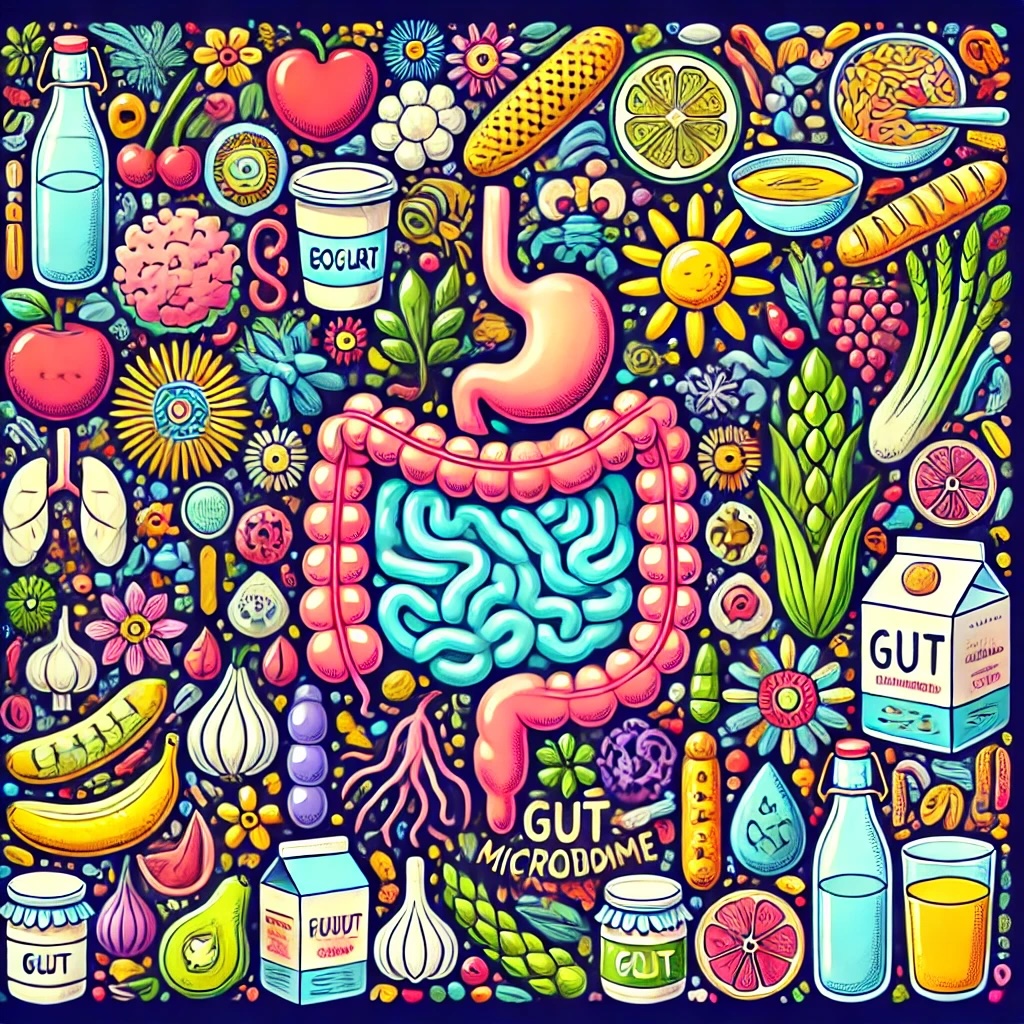
How To Improve Gut Health Naturally?
Gut health is an essential aspect of overall well-being, influencing everything from digestion to mental health. For women, maintaining a healthy gut can be particularly beneficial, as it plays a crucial role in hormonal balance, immune function, and emotional stability.
Here’s an in-depth look at why gut health matters for women and how to improve it naturally.
The Gut Microbiome
The gut microbiome consists of trillions of microorganisms, including bacteria, viruses, fungi, and other microbes. These microorganisms live in the digestive tract and play a vital role in digesting food, absorbing nutrients, and maintaining a healthy immune system.
Key Points:
Diversity: A diverse microbiome is crucial for a robust immune system and overall health.
Balance: Maintaining a balance between beneficial and harmful bacteria is essential to prevent digestive issues and other health problems.
Benefits of a Healthy Gut for Women
Hormonal Balance:
Estrogen Metabolism: The gut microbiome helps metabolize estrogen, a critical hormone for women’s health. An imbalance in gut bacteria can disrupt estrogen levels, potentially leading to conditions like PCOS, endometriosis, and menopausal symptom.
Progesterone and Other Hormones: Healthy gut flora can support the metabolism of other hormones, such as progesterone, which is crucial for reproductive health and mood regulation.
Immune Function:
Immune Response: A significant portion of the immune system resides in the gut. A healthy microbiome supports a strong immune response, reducing the risk of infections and autoimmune diseases.
Inflammation Control: Beneficial bacteria in the gut can help regulate inflammation, which is linked to numerous chronic diseases including arthritis and inflammatory bowel disease (IBD).
Mental Health:
Gut-Brain Axis: The gut and brain are connected through the gut-brain axis, influencing mood and cognitive function. Healthy gut bacteria produce neurotransmitters like serotonin, which can improve mood and reduce anxiety.
Mental Clarity: A balanced microbiome can enhance cognitive functions such as memory and focus, and reduce symptoms of depression and anxiety.
Weight Management:
Metabolism: A balanced gut microbiome aids in the efficient metabolism of food and energy regulation, which can help maintain a healthy weight.
Appetite Regulation: Gut bacteria can influence hunger hormones, helping to regulate appetite and reduce cravings.
Common Hormone Disorders in Women
Hypothyroidism: A condition where the thyroid gland does not produce enough thyroid hormones, leading to fatigue, weight gain, and depression.
Autoimmune Thyroid Disorders: Includes Hashimoto’s thyroiditis (an underactive thyroid due to immune system attack) and Graves’ disease (an overactive thyroid due to immune system attack).
Polycystic Ovary Syndrome (PCOS): A hormonal disorder causing enlarged ovaries with small cysts on the outer edges, often resulting in irregular periods, acne, and excess hair growth.
Estrogen Dominance: Occurs when there is too much estrogen in relation to progesterone, which can lead to symptoms such as weight gain, mood swings, and menstrual irregularities.
Perimenopause: The transition period before menopause when hormone levels begin to fluctuate, causing symptoms like hot flashes, sleep disturbances, and mood changes.
Menopause: The natural decline in reproductive hormones when a woman reaches her 40s or 50s, leading to the end of menstrual cycles and symptoms like hot flashes and vaginal dryness.
Stress-Related Fatigue (HPA Axis Dysregulation): Chronic stress can lead to dysregulation of the hypothalamic-pituitary-adrenal (HPA) axis, causing fatigue, anxiety, and other health issues.
Low Testosterone: Although often considered a male hormone, women also need testosterone for muscle mass, bone strength, and libido. Low levels can cause fatigue and decreased libido.
Low Estrogen: Can lead to symptoms such as hot flashes, night sweats, and osteoporosis, particularly during and after menopause.
Osteoporosis: A condition characterized by weakened bones, often due to low levels of estrogen, which can increase the risk of fractures.
Endocrine Disruption from Toxins: Exposure to certain chemicals and toxins can disrupt hormone production and regulation, leading to various health issues.
Hyperthyroidism: A condition where the thyroid gland produces too much thyroid hormone, leading to weight loss, rapid heartbeat, and nervousness.
How to Improve Gut Health Naturally
Dietary Choices:
Probiotics: Incorporate foods rich in probiotics, such as yogurt, kefir, sauerkraut, kimchi, and other fermented foods, to introduce beneficial bacteria to the gut. Probiotic supplements can also be beneficial.
Prebiotics: Eat prebiotic-rich foods like garlic, onions, bananas, asparagus, and chicory root to nourish existing beneficial bacteria. Prebiotics are non-digestible fibers that help feed healthy bacteria.
Fiber: Consume a high-fiber diet from fruits, vegetables, whole grains, and legumes to promote healthy digestion and regular bowel movements. Fiber acts as a fuel source for gut bacteria and aids in maintaining a healthy gut lining.
Hydration: Drink plenty of water to aid digestion and ensure the smooth passage of food through the digestive tract. Staying hydrated helps maintain the mucosal lining of the intestines and promotes a healthy balance of gut bacteria.
Regular Exercise:
Physical Activity: Regular exercise can help maintain a healthy weight and improve gut motility, which reduces the risk of constipation and promotes a healthy microbiome.
Types of Exercise: Aerobic activities like walking, running, and cycling, as well as strength training and flexibility exercises like yoga, can all contribute to better gut health.

Stress Management:
Mindfulness and Meditation: Practices such as mindfulness, meditation, and yoga can reduce stress levels, which positively impacts gut health. Chronic stress can disrupt the gut microbiome and exacerbate digestive issues.
Relaxation Techniques: Techniques like deep breathing exercises, progressive muscle relaxation, and guided imagery can help manage stress and support gut health.
Avoid Harmful Substances:
Antibiotics: Use antibiotics only when necessary, as they can disrupt the balance of gut bacteria. Always complete the prescribed course and consider taking probiotics to replenish beneficial bacteria afterwards.
Processed Foods: Minimize consumption of processed foods, artificial sweeteners, and high-sugar diets that can harm the gut microbiome.
Toxins: Avoid exposure to environmental toxins such as pesticides and chemicals that can negatively impact gut health.
Incorporate Beneficial Supplements:
Probiotic Supplements: Consider high-quality probiotic supplements to support and maintain a healthy gut microbiome, especially after taking antibiotics or experiencing digestive disturbances.
Prebiotic Supplements: Prebiotic supplements can help nourish beneficial bacteria and improve gut health.
Natural Remedies: Herbs like ginger, turmeric, and peppermint can support digestion and reduce inflammation in the gut.
Gut health is fundamental to overall health and well-being, particularly for women. By adopting healthy dietary habits, staying hydrated, exercising regularly, managing stress, avoiding harmful substances, and incorporating beneficial supplements, women can support their gut microbiome and enjoy the numerous benefits it offers. Taking proactive steps towards maintaining a healthy gut can lead to better hormonal balance, enhanced immune function, improved mental health, and more effective weight management.
You may also enjoy reading: Can You Heal Your Gut With Just Probiotics?
 Unlock Your Path to Vibrant Health: A Holistic Guide for Health and Longevity