
Seasonal Emotions: How Weather Changes Impact Your Mental Wellbeing
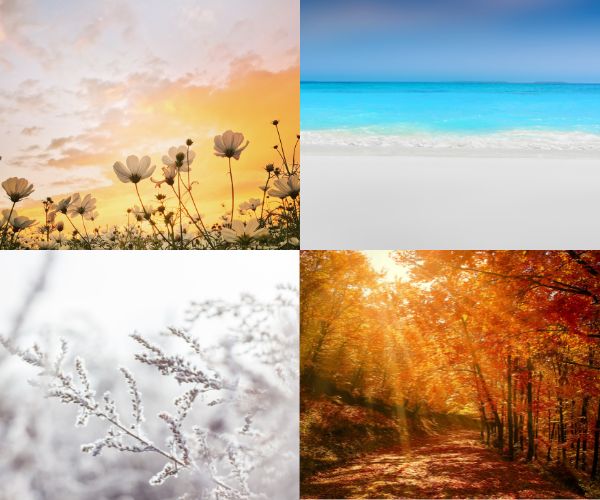
Seasonal Emotions: How Weather Changes Impact Your Mental Wellbeing
The changing seasons affect not only our physical health but also create distinct seasonal emotions that influence our mood, energy, motivation, and social connections. By understanding these natural emotional rhythms, we can work with—rather than against—these cycles to enhance our psychological wellbeing throughout the year.
Spring: Renewal Emotions and Mental Refresh
Natural Emotional Patterns
Spring creates unique seasonal emotions centered around renewal:
Renewed Hope: The visible rebirth in nature triggers optimism and forward-thinking
Creative Awakening: Increasing light stimulates idea generation and innovative thinking
Restlessness: Rising energy can create productive tension and desire for change
Emotional Release: Many experience a natural urge to clear emotional baggage
Social Reemergence: Desire for connection increases after winter’s relative isolation
Research from the field of chronobiology shows that spring’s increasing light triggers changes in brain chemistry, including elevated dopamine levels that drive motivation and initiative. This explains why many cultures traditionally associate spring with new beginnings and why many people experience significant seasonal emotions during this time of year.
Enhancing Spring’s Emotional Benefits
Managing Spring Seasonal Emotions:
Intention Setting: Create specific, achievable goals that harness spring’s natural motivation surge
Journaling: Document emerging ideas and insights as creative energy increases
Emotional Decluttering: Identify and release relationships, commitments, or thoughts that no longer serve you
Gradual Expansion: Slowly increase social engagements to match rising energy without overwhelm
Nature Connection: Spend time observing spring’s unfolding as a mindfulness practice
Practical Applications:
1. Create a “Spring Possibilities” list rather than traditional resolutions
2. Schedule weekly “creative play” sessions without specific outcomes
3. Establish a morning ritual that includes time outdoors with the rising spring light
4. Start a 30-day project that channels emerging creative energy
5. Practice “emotional composting”—transforming difficult winter experiences into growth opportunities
Summer: Joy-Driven Seasonal Emotions
Natural Emotional Patterns
Summer’s extended daylight and warmth create distinctive seasonal emotions:
Expansive Joy: Heightened serotonin and dopamine production create natural feelings of happiness and contentment
Social Connection: Increased outdoor gathering opportunities strengthen community bonds
Present-Moment Awareness: Summer’s sensory richness naturally encourages mindfulness
Emotional Openness: Higher temperatures correlate with increased emotional expressiveness
Energetic Peaks and Valleys: Intense energy alternates with periods of languid relaxation
Psychological research demonstrates that exposure to summer light patterns increases production of “feel-good” neurotransmitters that elevate mood, with studies showing that even brief outdoor exposure can significantly boost positive seasonal emotions. However, summer’s intense energy can also create a sense of pressure to maximize experiences, leading to what psychologists call “summer FOMO” (fear of missing out).
Enhancing Summer’s Emotional Benefits
Managing Summer Seasonal Emotions:
Sensory Immersion: Engage fully with summer’s sensory abundance as a practice of presence
Joy Cataloging: Actively document moments of delight to create a “joy reservoir” for darker months
Energy Management: Balance activity with intentional rest to prevent burnout
Selective Engagement: Choose meaningful experiences over quantity of activities
Nature Attunement: Synchronize activities with natural rhythms of morning coolness and evening rest
Practical Applications:
1.Create a “summer slowness” ritual—a daily period of intentional leisurely activity
2. Establish screen-free evening hours to maximize natural light exposure
3. Start a gratitude practice focused specifically on summer’s unique offerings
4. Schedule “adventure days” alternated with “restoration days” to balance stimulation and recovery
5. Create a physical or digital “joy album” documenting summer’s special moments
Fall: Reflective Seasonal Emotions and Connection
Natural Emotional Patterns
Fall’s transitional nature creates complex seasonal emotions:
Nostalgic Reflection: Decreasing light naturally turns attention inward toward memory and meaning
Bittersweet Appreciation: Awareness of beauty’s impermanence creates poignant emotional experiences
Heightened Connectivity: Fall stimulates desire for meaningful relationships as communal winter approaches
Purposeful Focus: Harvesting traditions influence goal completion and project finalization
Natural Transitions: Fall’s visible changes support emotional processing of life transitions
Psychological research shows that the visual cues of fall—changing colors, falling leaves—activate the brain’s meaning-making centers, explaining why many people naturally experience reflective seasonal emotions during this time. Studies also demonstrate that moderate melancholy, often experienced during fall, can enhance empathy and deepen interpersonal connections.
Enhancing Fall’s Emotional Benefits
Managing Fall Seasonal Emotions:
Intentional Harvesting: Acknowledge and celebrate the year’s achievements and lessons
Letting Go Rituals: Create symbolic practices for releasing what’s complete
Meaning-Making: Engage in activities that deepen life purpose and values clarification
Relationship Deepening: Shift from summer’s broad social connections to deeper bonds
Beauty Contemplation: Use fall’s aesthetic intensity as a mindfulness focus
Practical Applications:
1. Create a personal “harvest inventory” documenting the year’s growth and achievements
2. Establish a weekly gathering tradition with close friends or family
3. Begin a meditation practice focused on impermanence and acceptance
4. Write letters of appreciation to significant people in your life
5. Create a fall altar or display that symbolizes both abundance and release
Winter: Deep Seasonal Emotions and Restoration
Natural Emotional Patterns
Winter’s darkness and cold create distinctive seasonal emotions:
Contemplative Stillness: Reduced external stimulation naturally increases introspection
Emotional Depth: Winter conditions support accessing deeper emotional states
Protective Boundaries: Increased need for physical shelter extends to psychological boundaries
Dreams and Visions: Extended darkness stimulates subconscious processing and creative incubation
Intimate Connection: Winter conditions naturally foster closer bonds with fewer people
Neuroscience research shows that darkness increases melatonin production, which not only regulates sleep but also influences emotional processing, explaining why winter naturally supports deeper seasonal emotions and psychological healing. Studies demonstrate that winter’s natural conditions can enhance creativity through processes that require incubation and non-linear thinking.
Enhancing Winter’s Emotional Benefits
Managing Winter Seasonal Emotions:
Mindful Withdrawal: Differentiate between healthy solitude and isolation
Dream Tending: Pay increased attention to dream content and patterns
Emotional Warming: Create intentional practices that generate internal warmth and security
Creative Incubation: Trust slower, less visible creative processes without forcing outcomes
Light Appreciation: Develop meaningful relationships with both darkness and limited light
Practical Applications:
1.Establish a “winter sanctuary” space dedicated to comfort and reflection
2. Keep a dream journal by your bedside to record winter’s increased dream activity
3. Create a “worry bowl” ritual—writing concerns on paper and symbolically setting them aside
4. Practice candlelight evenings once weekly to reduce artificial light exposure
5. Develop a winter reading practice focusing on depth psychology or philosophy
Navigating Seasonal Emotional Shifts
The transitions between seasons can create emotional turbulence as our biochemistry and psychological patterns adjust. Here are strategies for smoother seasonal emotional transitions:
Between Winter and Spring
Gradually increase activity rather than making sudden changes
Maintain some winter reflection practices while adding spring innovations
Acknowledge ambivalence about leaving winter’s cocoon
Between Spring and Summer
Create intentional transitions from planning to experiencing
Establish boundaries to prevent overscheduling during summer’s expansive energy
Balance spring’s project focus with summer’s present-moment awareness
Between Summer and Fall
Create rituals that honor the shift from expansion to contraction
Process any grief or loss associated with summer’s ending
Gradually shift focus from external activities to internal reflection
Between Fall and Winter
Establish comfort rituals that ease the transition to increased darkness
Create meaningful winter traditions that generate anticipation rather than dread
Adjust expectations for energy and productivity
Chinese medicine perspective on seasons:
Spring: In Chinese medicine, spring is governed by the Wood element and the Liver, representing new growth, flexibility, and the upward movement of energy that can be balanced through gentle detoxification and emotional release.
Summer: Chinese medicine associates summer with the Fire element and the Heart, embodying maximum yang energy, joy, and expansion that thrives when we balance activity with adequate rest and cooling foods.
Fall: In the Chinese medical tradition, fall connects to the Metal element and the Lungs, emphasizing letting go, grief processing, and the gathering of qi (energy) inward that requires practices focused on boundaries and respiratory health.
Winter: Chinese medicine views winter as ruled by the Water element and the Kidneys, representing the deepest reserves of vital essence and willpower, requiring practices of conservation, stillness, and the nourishment of our foundational energy.
Conclusion: Harmonizing With Your Seasonal Emotions
By understanding and working with your natural seasonal emotions, you can develop greater psychological resilience and emotional well-being throughout the year. Rather than expecting consistent emotional states regardless of season, we can honor these natural cycles and develop practices that enhance the unique emotional gifts each season offers.
This seasonal emotional awareness allows us to:
Recognize that emotional fluctuations are often natural rather than problematic
Develop season-specific practices that support psychological health
Create a more harmonious relationship with the natural world
Build a more nuanced understanding of our own emotional patterns
In our modern world that often expects emotional consistency regardless of season, reconnecting with these natural seasonal emotions offers a path to greater authenticity, deeper emotional experience, and a more sustainable approach to psychological wellbeing throughout the years natural rhythm.
You may also enjoy reading: Maple Syrup vs Honey: Your Ultimate Guide to Nature’s Sweetest Gifts 🍯 🍁
 Unlock Your Path to Vibrant Health: A Holistic Guide for Health and Longevity