
The Incredible Egg Benefits + Egg Labels

The Incredible Egg Benefits: Why Pasture-Raised Eggs Are Worth It
Are eggs healthy? Absolutely. Eggs are not only versatile and affordable but packed with nutrients that support brain function, heart health, and weight management. In this comprehensive guide, we’ll explore why eggs deserve a place in your diet and how to choose the best eggs for optimal nutrition.
Key Takeaways About Egg Benefits & Nutrition
One large egg contains approximately 6 grams of complete protein
Eggs are rich in choline, essential for brain development and cognitive function
Modern research shows eggs can be part of a heart-healthy diet
Pasture-raised eggs contain more omega-3s, vitamin D, and antioxidants than conventional eggs
Understanding egg labels helps you make healthier, more ethical choices
The Complete Nutritional Profile of Eggs
Protein Powerhouse for Muscle Health
Eggs are one of nature’s perfect protein sources. A single large egg provides around 6 grams of high-quality protein containing all nine essential amino acids your body needs but cannot produce on its own. This complete protein profile makes eggs an excellent choice for:
Post-workout recovery
Maintaining muscle mass
Supporting metabolic health
Providing sustained energy
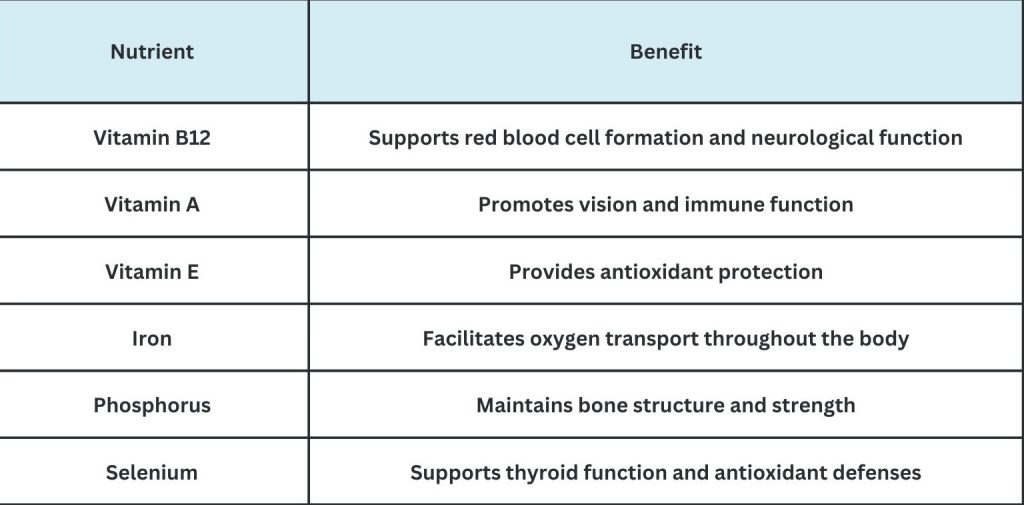
Essential Vitamins and Minerals
Brain-Boosting Choline
Eggs are among the richest dietary sources of choline, a nutrient that:
Supports neurotransmitter synthesis
Maintains cell membrane integrity
Plays a crucial role in fetal brain development
May help prevent cognitive decline with age
Most Americans don’t get enough choline in their diet, making eggs an important dietary component for optimal brain health.
Egg Benefits and Heart Health: Debunking Old Myths
For decades, eggs were unfairly demonized due to their cholesterol content. Current research tells a different story:
Dietary cholesterol has minimal impact on blood cholesterol for most people
Eggs can increase HDL (“good”) cholesterol levels
Moderate egg consumption (1-6 eggs weekly) may reduce cardiovascular disease risk
The nutrient density of eggs outweighs concerns about cholesterol
A 2020 study published in the British Medical Journal found no significant association between moderate egg consumption and increased cardiovascular disease risk.
Weight Management: Egg Benefits
Looking to maintain a healthy weight? Eggs should be on your menu:
1.Enhanced Satiety: The protein in eggs helps you feel fuller longer, reducing overall calorie intake
2. Stable Blood Sugar: Unlike carb-heavy breakfasts, eggs help maintain steady glucose levels
3. Metabolic Support: The complete amino acid profile supports metabolic function
4. Low-Calorie Nutrition: At just 70-80 calories per large egg, they provide significant nutrition for minimal calories
Research shows that people who eat eggs for breakfast consume fewer calories throughout the day compared to those who choose carbohydrate-rich morning meals.
Eye Health and Aging: The Hidden Egg Benefits
The vibrant yellow yolk contains powerful antioxidants that support vision:
Lutein and Zeaxanthin: These carotenoids accumulate in the retina, protecting against harmful blue light and oxidative damage
Reduced AMD Risk: Regular consumption may lower the risk of age-related macular degeneration
Cataract Prevention: Antioxidants in eggs help maintain lens clarity
Raw Egg Benefits: Are They Safe?
Raw eggs are consumed by some for their high protein content and natural nutrients, but they come with potential health risks. While raw eggs retain their full nutritional value, they may carry Salmonella bacteria, which can cause foodborne illness. To minimize risk, opt for pasteurized eggs, which are heat-treated to kill bacteria while maintaining nutrients. Raw eggs are often used in protein shakes, homemade mayonnaise, and dressings, but those with weakened immune systems should avoid consuming them.
Understanding Egg Labels: What You Need to Know
Not all eggs deliver the same nutritional benefits. Understanding egg carton labels helps you make informed choices:
Conventional (Battery Cage) Eggs
Hens confined to small cages with minimal movement
No outdoor access
Standard grain-based feed often containing antibiotics
Lowest in nutrients compared to other options
Most affordable but raises ethical concerns
Cage-Free Eggs
Hens not confined to cages but kept in large indoor facilities
Limited space for movement with no outdoor access
Similar nutritional profile to conventional eggs
Slightly better welfare standards but still crowded conditions
Free-Range Eggs
Hens have some outdoor access (though amount varies significantly)
Diet includes grains plus some natural foraging
Higher in certain nutrients due to increased movement and varied diet
Mid-range price point with improved welfare standards
Pasture-Raised Eggs (Premium Choice)
Hens spend most daylight hours outdoors foraging naturally
Minimum of 108 square feet per hen (Certified Humane standard)
Significantly higher in omega-3 fatty acids, vitamin D, and antioxidants
Richer, more vibrantly colored yolks indicating higher nutrient content
Best ethical choice with superior environmental impact
Highest price point but greatest nutritional value
Organic Eggs
Hens fed certified organic feed (no pesticides, antibiotics, or GMOs)
Must be at least cage-free, though not necessarily pasture-raised
Free from chemical residues and artificial additives
Better environmental impact than conventional options
Omega-3 Enriched Eggs
Hens fed diet supplemented with flaxseed, algae, or fish oil
Higher in heart-healthy omega-3 fatty acids
Can come from any housing system (check for additional labels)
How to Choose the Best Eggs: Quality vs. Budget
For optimal nutrition and ethical considerations:
Best Choice: Pasture-raised organic eggs provide maximum nutrients and ensure humane treatment
Value Option: Free-range or omega-3 enriched eggs balance nutrition and cost
Budget Option: Cage-free eggs offer minimal improvement over conventional at a slight premium
Pro Tip: Local farmers’ markets often offer pasture-raised eggs at better prices than grocery stores, with the added benefit of supporting local agriculture.
Creative Ways to Include Eggs in Your Diet
Beyond the basic breakfast scramble, try these nutritious egg preparations:
Sheet pan vegetable frittata for easy meal prep
Energy-boosting egg muffins with spinach and feta
Protein-rich avocado deviled eggs for healthy snacking
Shakshuka (eggs poached in spiced tomato sauce) for dinner
Hard-boiled eggs for portable nutrition
Unexpected Egg Benefits for Natural Hair Care
Beyond their nutritional value as food, eggs offer remarkable benefits for hair health when used topically. The same proteins and nutrients that make eggs nutritious to eat also make them excellent for improving hair strength, shine, and overall health.
How Eggs Transform Your Hair
Protein-Packed Conditioning: The proteins in egg whites help strengthen hair strands, reducing breakage and split ends
Moisture and Shine: Egg yolks contain natural fats that deeply moisturize dry, brittle hair
Scalp Health: Vitamins A and E in eggs promote a healthier scalp environment and may stimulate hair growth
Natural Cleansing: Egg whites have enzymes that can help remove excess oils and product buildup
DIY Egg Hair Mask Recipes
For Dry, Damaged Hair:
Mix 2 egg yolks with 2 tablespoons of olive oil and 1 tablespoon of honey
Apply to damp hair, focusing on ends
Cover with a shower cap for 30 minutes
Rinse with cool water (never hot, which can cook the egg)
Follow with a gentle shampoo
For Oily Hair:
Whisk 2 egg whites with the juice of half a lemon
Apply to scalp and hair roots
Leave for 20 minutes
Rinse thoroughly with cool water
Shampoo as usual
For Hair Growth:
Blend 1 whole egg with 1 tablespoon each of castor oil and aloe vera gel
Massage into scalp and distribute through hair
Leave for 45 minutes
Rinse with cool water and mild shampoo
Pro Tips for Egg Hair Treatments
Always use cool water when rinsing out egg masks to prevent the egg from cooking in your hair
Apply treatments to damp, not wet hair for better absorption
For best results, use organic, pasture-raised eggs which contain more nutrients
Consistency is key—use an egg hair mask once weekly for noticeable improvements
If you have a sensitive scalp, do a patch test before applying to your entire head
The proteins and nutrients that make eggs a powerhouse food also make them an excellent, cost-effective alternative to expensive hair treatments—saving both your hair and your wallet!
Conclusion: Are Eggs Worth the Upgrade?
The evidence is clear: eggs are a nutritional powerhouse that deserves a place in most healthy diets. While conventional eggs provide basic nutrition, pasture-raised eggs offer significantly higher levels of omega-3s, vitamins, and antioxidants—making them worth the extra cost for health-conscious consumers.
By understanding egg labels and making informed choices, you’re not only investing in your health but also supporting more humane and sustainable farming practices.
What’s your experience with different types of eggs? Have you noticed a difference in taste or how you feel? Share in the comments below!
You may also enjoy reading: Seasonal Emotions: How Weather Changes Impact Your Mental Wellbeing
 Unlock Your Path to Vibrant Health: A Holistic Guide for Health and Longevity