
How To Lose Weight After 50
How To Lose Weight After 50
Why is it so hard to lose weight after 50?
Have you noticed that it is harder to lose weight after 50? Weight loss for women over 50 is a journey riddled with unique hurdles. Hormonal changes, a natural decline in metabolism, and the loss of muscle mass all conspire to make losing pounds more challenging. This article not only explores the science behind why losing weight becomes harder as we age but also provides hope through effective strategies tailored for our age group. Discover effective strategies to lose weight, boost metabolism, and build muscle strength. In this guide I will share with you my 4 week workout plan to help you lose weight, build muscle, empower you with knowledge and practical steps to reclaim your health and vitality.
Section 1: Hormonal Changes and Metabolism
As women transition into menopause, the body undergoes significant hormonal changes that impact weight management. The decrease in estrogen levels not only affects fat distribution, leading to more abdominal weight gain, but also slows down the metabolism. To navigate these changes effectively, adopting dietary strategies that focus on stabilizing blood sugar levels and enhancing metabolic efficiency is crucial.
Stabilizing Blood Sugar & Maintaining stable blood sugar levels is essential for managing cravings, energy, and overall metabolic health.
How to eat to lose weight after 50:
Incorporate Fiber-Rich Foods: Foods high in fiber, such as vegetables, fruits, legumes, and whole grains, slow down the absorption of sugar into your bloodstream, helping to maintain steady blood sugar levels.
Choose Low Glycemic Index Foods: Opt for foods with a low glycemic index (GI) that have a minimal impact on blood sugar levels.
Examples include:
Green peas
Onions
Lettuce
Cucumbers
Bok choy
Mushrooms
Artichokes
Brussels sprouts
Cabbage
Broccoli
Cauliflower
Celery
Peppers (bell peppers, jalapenos, serrano, etc.)
Zucchini and squash
Balance Carbohydrates with Protein and Healthy Fats: When consuming carbohydrates, pair them with a good source of protein or healthy fats to slow digestion and prevent spikes in blood sugar.
Enhancing Metabolic Efficiency
Boosting your metabolism is key for burning calories more efficiently, and certain dietary choices can help:
Proteins: Incorporating sources of protein into your diet, such as chicken, turkey, fish, eggs, raw cheese/plain yogurt, meat can increase the thermic effect of food, meaning your body burns more calories digesting protein compared to fats and carbohydrates.
Whole Grains: Whole grains, unlike their refined counterparts, retain the bran and germ, providing your body with more nutrients and fiber. This not only helps in keeping you fuller for longer but also requires more energy to break down, boosting your metabolism.
Variety of Fruits and Vegetables: Fruits and vegetables are not only rich in essential vitamins and minerals but also high in fiber and water content, aiding in digestion and metabolic efficiency.
Legumes: Beans (chickpeas, kidney beans, pinto beans, black beans, navy beans, etc.)
Lima beans
Split peas, black-eyed peas
Lentils
Seeds: Raw pumpkin seeds, sunflower, chia, flax.
Regular, Well-Portioned Meals
Eating regular, well-portioned meals throughout the day can prevent overeating, manage hunger, and keep your metabolism active. Skipping meals can lead to a drop in blood sugar levels, which not only slows metabolism but can also lead to overeating later in the day.
Adequate Hydration
Water is essential for metabolizing stored fat and carbohydrates. Drinking adequate amounts of water or hydrating with electrolytes throughout the day can help maintain your metabolic rate. Sometimes, thirst can be mistaken for hunger, so staying hydrated can also help manage appetite.
By focusing on these dietary strategies, women over 50 can better manage the hormonal and metabolic changes that accompany menopause, supporting weight loss and overall health. Regular, balanced meals and adequate hydration play vital roles in keeping metabolism active, facilitating a more effective and sustainable approach to weight management.
Section 2: Muscle Mass and Metabolic Rate
For women over 50, maintaining or increasing muscle mass is vital for keeping the metabolism active and facilitating weight loss. Strength training is the cornerstone of building lean muscle, which not only aids in enhancing metabolic rate but also contributes to improved bone density, balance, and overall health.
Best Way To Lose Weight After 50
Strength Training Exercises
Bodyweight Exercises: Start with exercises that use your body's weight for resistance, which can be done anywhere and easily adapted to your fitness level.
Squats: Target the legs and glutes; can be modified by using a chair for support.
Push-ups: Strengthen the chest, shoulders, and triceps; can be modified by performing them against a wall or on your knees to reduce strain.
Planks: Excellent for core strengthening; start with holding for short periods and gradually increase as your strength improves.
Resistance Training with Bands or Light Weights: Adding resistance bands or light weights can further enhance muscle strength and endurance.
Bicep Curls: Use light weights or a resistance band to strengthen the biceps; focus on slow, controlled movements.
Tricep Extensions: Target the triceps with overhead extensions using a light dumbbell or a resistance band.
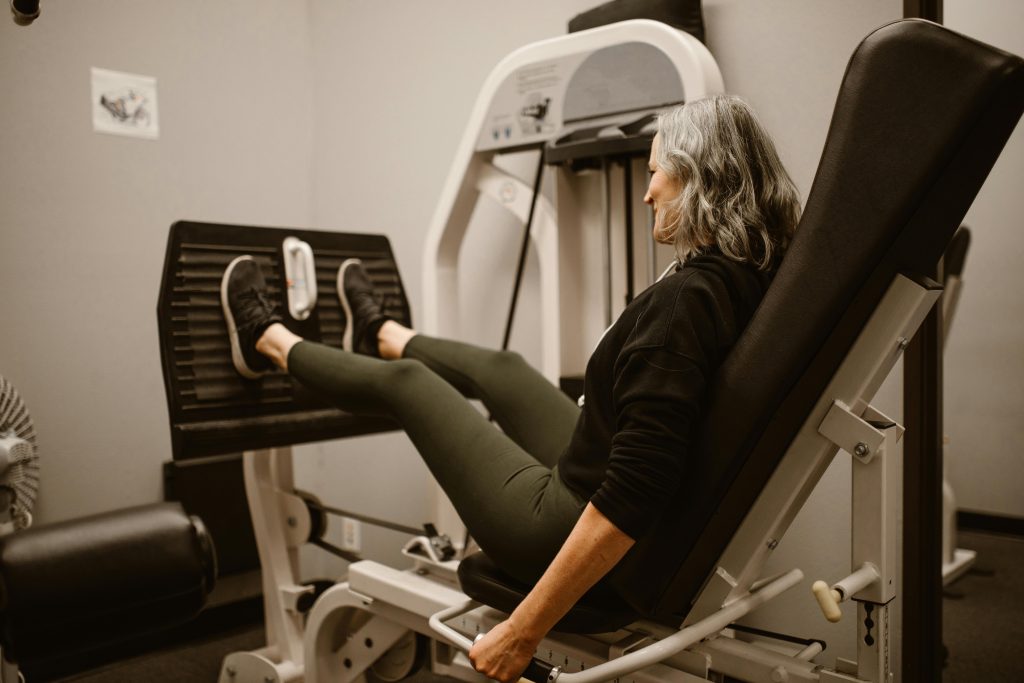
Leg Presses: If you have access to a gym, the leg press machine can be a safe way to strengthen your legs and glutes. At home, resistance bands can be used for leg extensions.
Guide for Starting or Enhancing Your Strength Training Routine
Begin Slowly: If you're new to strength training, start with lighter weights or lower resistance to focus on mastering the form of each exercise. Gradually increase the weight or resistance as you become more comfortable.
Consistency is Key: Aim for at least two to three strength training sessions per week, allowing for rest days in between to let your muscles recover. Consistency over time is more important than intensity at the beginning.
Focus on Form: Proper form is crucial to prevent injuries and ensure that you're effectively targeting the intended muscle groups. Consider working with a trainer initially to learn the correct techniques.
Progressive Overload: To continue building muscle, gradually increase the weight, frequency, or number of repetitions as your strength improves. This principle of progressive overload is essential for continued progress.
Listen to Your Body: Pay attention to how your body responds to the exercises. If something feels wrong, stop and seek guidance. Adapting exercises to accommodate any physical limitations is crucial for a safe and effective workout.
Warm-Up and Cool Down: Begin each session with a warm-up to prepare your muscles and end with a cool-down to help recovery. This can include light aerobic activity and stretches.
My 4 Week Workout Plan (start out light week 1 and increase weight each week)*
Monday - Triceps & Shoulders
Rope Tricep Pulldowns - 2x10 12- 15lbs
Tricep pushdowns with straight bar - 2x8-10 15-25lbs
Dumbbell Shoulder Press - 2x8 12.5lbs
Dumbbell Side Lateral Raises - 2x10-12 8-10lbs
Wednesday - Chest & Biceps
Incline Dumbbell Press 8-10lbs
Pec Dec Fly- 2x12-15 25-30lbs
Hammer Curls - 2x10 8-10lbs
Friday - Back
Hammer Strength Row - 3x10 25-50lbs
Seated cable row with “V” handle 2x10 25-45lbs
Single arm lat pulldown - 2x8-10/arm 15-25lbs
Dumbbell Curls - 1x10 8-15lbs
Sunday - Legs
Dumbbell squats - 2 x 5-8 with 5-10 lbs
Leg Press - 2x10 108lbs
Leg Extensions - 3x10 30-45lbs
Hamstring Curls - 3x10-12 30-45lbs
60 minutes of Cardio a week (I do a cardio dance/Zumba class on my off day (Tuesday).
* This weight is ideal for me, but you should adjust it according to your own body and preferences. Feel free to choose lighter or heavier weights as needed.
By incorporating these strength training exercises and following the guide to starting or enhancing your routine, women over 50 can effectively build lean muscle mass, rev up their metabolism, and support their weight loss goals. Remember, the journey to building strength takes time, and the focus should always be on progress, not perfection.
Section 3: Overcoming Exercise Challenges
For many women over 50, initiating and maintaining a regular exercise routine comes with its set of hurdles. Common barriers such as joint pain, limited mobility, and a lack of previous exercise experience can deter even the most determined individuals. However, understanding these challenges and knowing how to navigate them can make all the difference in achieving a healthier, more active lifestyle.
Is It Better To Exercise In The Morning or Evening?
According to a randomized controlled trial examined whether the time of day affects the benefits of aerobic exercise for individuals with metabolic syndrome (MetS). Over 16 weeks, participants engaged in supervised morning or afternoon aerobic exercise, with a non-exercise control group for comparison.
Key Findings:
Exercise, regardless of time, improved cardiorespiratory and metabolic fitness, body composition, and mean arterial pressure.
Morning exercise led to greater reductions in systolic blood pressure and insulin resistance compared to afternoon exercise.
The benefits occurred without dietary changes or differences in exercise dose or intensity.
Morning high-intensity aerobic training appears to be slightly more effective for improving MetS-related health markers.
This study supports morning exercise as a potentially more effective strategy for managing metabolic syndrome and reducing cardiometabolic risk.
Common Barriers and Solutions
Joint Pain: Joint discomfort can significantly limit the ability to perform high-impact exercises.
Solution: Opt for low-impact activities that minimize stress on the joints while still providing a good workout. Swimming and water aerobics, for example, offer buoyancy that helps reduce strain on the joints, making them excellent options for those with joint concerns.
Limited Mobility: Reduced flexibility or mobility can make certain exercises challenging or uncomfortable.
Solution: Focus on exercises that can be easily modified to accommodate your range of motion. Chair yoga and Pilates are great for enhancing flexibility and strength with minimal risk.
Lack of Previous Exercise Experience: Starting an exercise routine later in life can feel daunting, especially without previous experience.
Solution: Begin with basic, straightforward activities such as walking or cycling. These activities require little to no special equipment or training, making them accessible entry points into fitness.
Low-Impact Exercise Options
Water Aerobics: Offers resistance for muscle strengthening without the joint stress, making it ideal for weight loss and improving cardiovascular health.
Walking: Easily adjustable to your fitness level; start with short distances and gradually increase as your endurance improves. Incorporating varied terrains or slight inclines can also enhance the workout intensity over time.
Cycling: Stationary or on a bike, cycling is effective for heart health and burning calories with minimal joint impact. Begin with moderate sessions and increase duration or resistance gradually.
Gradually Increasing Exercise Intensity and Duration. Building endurance and strength without overwhelming the body is key to a sustainable exercise regimen.
Here’s how to safely increase exercise intensity and duration:
Start Slow: Begin with what feels manageable, even if it's just a few minutes a day. The goal is to make exercise a regular part of your routine without causing burnout or injury.
Incremental Increases: Gradually increase the duration of your exercise sessions by five to ten minutes as your fitness improves. For strength training, you can slowly add more repetitions or increase the weight as exercises become easier.
Listen to Your Body: Pay close attention to how your body responds during and after workouts. Muscle soreness is normal, but sharp pain is a sign to stop and reassess. Rest days are crucial for recovery, especially in the beginning stages.
Diversify Your Routine: Incorporating a variety of exercises can prevent boredom and ensure you're working different muscle groups. It also allows you to adjust your routine based on how you're feeling on any given day.
Set Small, Achievable Goals: Short-term goals can help keep you motivated and give you a sense of accomplishment as you progress. Celebrate these milestones to reinforce your commitment to staying active.
By addressing these common barriers and adopting low-impact exercise options, women over 50 can create a balanced, enjoyable fitness routine that promotes weight loss, enhances cardiovascular health, and builds endurance and strength at a comfortable pace.
Section 4: The Role of Cardiovascular Health
Cardiovascular exercise is a cornerstone of fitness, especially for women over 50, playing a vital role in enhancing heart health, aiding weight loss, and improving overall endurance. Among the myriad of cardio activities available, dancing, including Zumba or other cardio classes, stands out as an enjoyable and effective way to boost cardiovascular health.
Here’s how integrating dance-based fitness can benefit you and tips on balancing it with strength training for optimal health outcomes.
Embracing Dance for Cardiovascular Health
Dancing and Zumba: These are not just fun activities but also excellent cardiovascular workouts. Dancing raises your heart rate, improves blood circulation, and burns calories, all in a fun and engaging environment. Zumba, known for its high energy and music-driven workouts, combines aerobic elements with dance moves from styles like salsa, samba, and merengue.
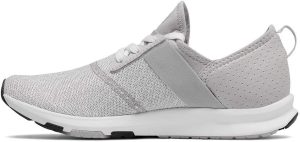
I love New Balance sneakers for cardio dance. I highly recommend these, they are wide and supportive fit, and super light on your feet.
New Balance Women's FuelCore Nergize V1 Sneaker
Benefits of Dance-Based Cardio:
Enjoyment Factor: One of the biggest advantages of dance-based classes is the enjoyment factor. When you're having fun, you're more likely to stick with the activity long term.
Social Interaction: Dancing or attending a Zumba class provides an opportunity for social interaction, which can be motivating and enhance mental well-being.
Full Body Workout: These activities engage the entire body, ensuring a balanced workout that tones different muscle groups while improving cardiovascular health.
Flexibility and Balance: Dance routines improve flexibility and balance, reducing the risk of falls and enhancing mobility.
Though weight loss after 50 presents its unique challenges, it is by no means an impossible task. With a deeper understanding of the physiological changes during this life stage and armed with targeted strategies, you can overcome these hurdles. This guide will help you to lose weight and empower you with the knowledge, tools, and confidence to make informed decisions about your health and to embark on a successful weight loss journey. Remember, the goal is not just to lose weight but to gain health, strength, and vitality, enhancing your quality of life for years to come.
 Unlock Your Path to Vibrant Health: A Holistic Guide for Health and Longevity