
Support Gut Health with 27 Amazing Anti-Inflammatory Foods
27 Amazing Anti-Inflammatory Foods That Support Gut Health
Incorporating anti-inflammatory foods into your diet is a natural and effective way to support gut health and reduce inflammation throughout the body. In today’s fast-paced world, inflammation and digestive issues have become increasingly common, impacting overall health and well-being. This list of 27 amazing foods is packed with nutrients, antioxidants, and fibers that promote a healthy microbiome and enhance your body’s natural defenses. Whenever possible, choosing organic options for these foods can further maximize their benefits by reducing exposure to pesticides and chemicals, ensuring you’re nourishing your body with the purest ingredients nature has to offer.
1. Blueberries
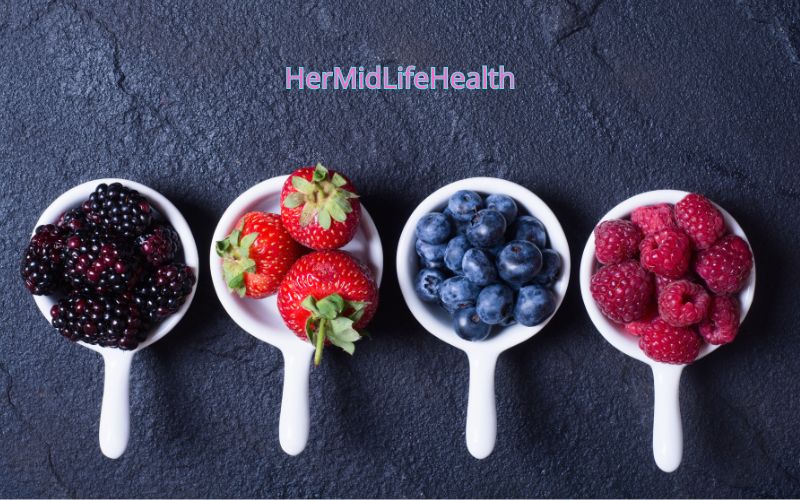
Blueberries, especially wild varieties, are rich in antioxidants and may support cognitive function, including memory improvement. They are also a good source of prebiotic fiber, which feeds the beneficial bacteria in your gut microbiome.
2. Strawberries
Strawberries are a low-FODMAP fruit, making them suitable for individuals managing Small Intestinal Bacterial Overgrowth (SIBO) who want to include fruits in their diet. They are also an excellent source of vitamin C, supporting a healthy immune response.
3. Blackberries
Blackberries possess anti-inflammatory properties and are high in vitamin K, which is important for bone health. They are also rich in manganese, a mineral essential for metabolism, bone development, and brain function.
4. Raspberries
Raspberries are notable for their high fiber content, supporting digestive health. Research suggests they may have beneficial effects on liver health and could help alleviate symptoms associated with arthritis. Their antioxidants may also contribute to reducing signs of aging.
5. Tomatoes
Tomatoes are a great source of lycopene, an antioxidant that may reduce the risk of certain types of cancer and support cardiovascular health. Lycopene may also have protective effects on brain health and vision, especially in older adults. Some individuals with arthritis report sensitivity to nightshade vegetables like tomatoes; if you notice symptoms, consider monitoring your intake.
6. Shiitake Mushrooms
Shiitake mushrooms should be cooked properly to enhance their nutritional benefits and ensure safety. When cooked, they contribute to gut health by providing beneficial fibers and compounds that may support the immune system.
7. Broccoli Sprouts
Broccoli sprouts are rich in sulforaphane, a compound with strong antioxidant properties that may reduce inflammation by affecting cytokine levels in the body. Sulforaphane has been studied for its potential anti-cancer effects.
8. Bell Peppers
Bell peppers are excellent sources of vitamin C and antioxidants. Red bell peppers, in particular, are high in lycopene. Similar to tomatoes, some people with arthritis choose to avoid nightshade vegetables like bell peppers due to personal sensitivities, though more research is needed in this area.
9. Sweet Potatoes
Sweet potatoes contain anti-inflammatory carotenoids that may help reduce inflammation in the body. They are also rich in dietary fiber, supporting a healthy gut microbiome, and provide nutrients that support brain function and the immune system.
10. Onions
Onions are packed with antioxidants, including quercetin, which has anti-inflammatory effects. Their antioxidant content may contribute to overall health and longevity.
11. Grapes
Grapes, while best enjoyed in moderation due to their natural sugar content, are rich in anthocyanins—antioxidants that may help reduce inflammation by neutralizing free radicals. They also contain resveratrol, a powerful antioxidant that supports heart health and may influence metabolism by triggering the release of adiponectin, potentially aiding in weight management.
12. Apples
An apple a day might indeed keep the doctor away. Apples are high in pectin, a soluble fiber that feeds beneficial gut bacteria. They also contain quercetin, an anti-inflammatory compound. Including apples in your daily diet provides a crunchy, nutritious snack, especially beneficial during colder months when fresh produce intake may decline.
13. Cherries
Cherries, particularly tart varieties, may improve exercise recovery time, support cardiovascular health, and enhance sleep quality due to their antioxidant content and natural melatonin levels. The darker the cherry, the higher the concentration of beneficial compounds.
14. Oranges
Oranges are rich in vitamin C and flavonoids like hesperidin and naringenin, which support healthy blood vessels and have anti-inflammatory properties. They make a refreshing and nutritious addition to your diet.
15. Watermelons
Watermelons are about 92% water, making them excellent for hydration, especially on hot days. While they contain natural sugars and should be consumed in moderation, they are high in vitamins A and C and contain lycopene—an antioxidant that may support heart health and reduce inflammation.
16. Pineapples
Pineapples contain bromelain, an enzyme that may have anti-inflammatory effects and aid in digestion by breaking down proteins. Research suggests that bromelain may lower cancer risk and have protective benefits for cardiovascular health.
17. Avocados
Avocados are rich in healthy monounsaturated fats, fiber, and potassium, which supports muscle relaxation. They also provide polyphenols that nourish the gut microbiome and have anti-inflammatory properties.
18. Collard Greens
Collard greens are a good source of vitamin K and omega-3 fatty acids in the form of alpha-linolenic acid (ALA), both of which have anti-inflammatory effects. They also contain indole-3-carbinol (I3C), a compound that may further reduce inflammation.
19. Spinach
Spinach is rich in anti-inflammatory nutrients like lutein. Cooking spinach can reduce its high oxalate content, which may interfere with mineral absorption. Briefly boiling spinach for one minute helps retain its nutritional benefits while lowering oxalate levels.
20. Black Beans
Black beans are high in fiber and protein, supporting digestive health and providing nutrients that may reduce inflammation. They are a versatile addition to soups, salads, and main dishes.
21. Lentils
Lentils offer a great source of plant-based protein and fiber. They contain minerals like iron and folate, contributing to gut health and potentially reducing inflammation.
22. Chickpeas
Chickpeas provide fiber and protein, aiding in digestion and supporting a healthy gut microbiome. They contain antioxidants and anti-inflammatory compounds beneficial for overall health.
23. Buckwheat
Buckwheat is a gluten-free whole grain containing antioxidants like rutin and quercetin, which have anti-inflammatory effects. It’s also high in fiber and essential minerals.
24. Millet
Millet is a nutritious whole grain rich in fiber, protein, and antioxidants. It supports digestive health and may help reduce inflammation.
25. Walnuts
Walnuts are high in alpha-linolenic acid (ALA), an omega-3 fatty acid with anti-inflammatory properties. They also provide antioxidants and support heart and brain health.
26. Brazil Nuts
Brazil nuts are an excellent source of selenium, a mineral with antioxidant properties that supports immune function and may help reduce inflammation.
27. Hemp Seeds
Hemp seeds are rich in healthy fats, including omega-3 and omega-6 fatty acids, as well as protein and fiber. They have anti-inflammatory properties and support heart and digestive health.
By incorporating these anti-inflammatory foods into your diet, you can support gut health and enhance overall well-being. Remember to listen to your body and consult with a healthcare professional or a registered dietitian for personalized dietary advice.
 Unlock Your Path to Vibrant Health: A Holistic Guide for Health and Longevity